
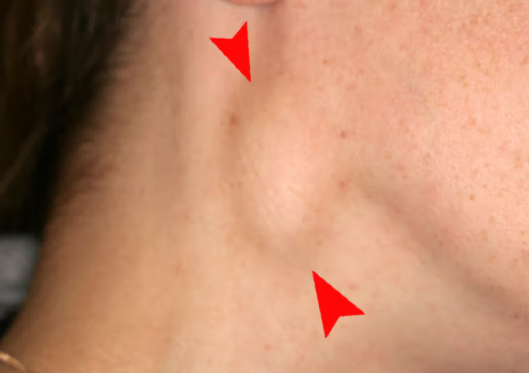
Mobility is generally reassuring but it does not rule out cancer. Most movable lumps under the skin are lipomas, cysts or reactive lymph nodes, all of which are benign. Some early cancers, including certain lymphomas and soft tissue sarcomas, can feel surprisingly mobile in their early stages before they become adherent to deeper structures. Mobility alone is never sufficient to dismiss a lump. Size, location, rate of change and the overall clinical picture all matter alongside it.
According to Prof. Dr. Sandeep Nayak, Surgical Oncologist in India, “patients assume a movable lump is automatically safe. It usually is. But early cancers can be mobile too, especially lymphomas in the neck. Mobility reduces suspicion, it doesn’t eliminate it.”
Have a movable lump you’re uncertain about and want a specialist assessment?
What Movable Lumps Are Usually Benign?
Most movable subcutaneous lumps fit recognisable benign patterns that experienced clinicians identify on examination without needing immediate biopsy.
- Lipoma: Soft, smooth, freely mobile lumps sitting just under the skin are almost always lipomas, benign fatty tumours that move easily in any direction and cancer diagnosis is not the clinical priority for a lump that has been stable, non-tender and unchanged for months or years.
- Sebaceous Cyst: A mobile lump attached to the overlying skin with a visible central punctum is a sebaceous cyst, a blocked skin gland that is completely benign and only needs removal if it repeatedly becomes infected or uncomfortable.
- Reactive Lymph Node: Soft, tender, mobile lymph nodes appearing during or after an infection are the immune system responding normally and most resolve completely within two to four weeks as the triggering infection settles.
- Fibroadenoma: Firm, smooth, highly mobile breast lumps in younger women follow the classic fibroadenoma pattern, confirmed on ultrasound, and are managed with observation rather than surgery in most straightforward presentations.
Benign movable lumps share a pattern of soft or smooth texture, clear tissue plane, stable size and a clinical profile that fits a well-recognised non-malignant diagnosis.
When Does a Movable Lump Still Need Investigation?
Certain features in a mobile lump shift the clinical priority from reassurance to urgent assessment regardless of how freely it moves.
- Firmness With Mobility: A lump that moves but feels hard or rubbery rather than soft warrants ultrasound and biopsy because lymphoma nodes are often mobile in early stages and robotic cancer surgery or conventional resection for confirmed malignancy produces far better outcomes when diagnosis happens early rather than after months of reassurance based on mobility alone.
- Growing Despite Mobility: Any lump increasing in size over two to four weeks needs investigation regardless of whether it moves freely because growth rate is a more reliable indicator of malignant biology than mobility ever is in clinical assessment.
- High-Risk Location: Mobile lumps in the neck, axilla, groin or breast carry higher malignancy probability than lumps elsewhere and any adult over 40 with a new mobile lump in these specific sites needs imaging and specialist review without delay.
- Associated Symptoms: A mobile lump accompanied by unexplained weight loss, night sweats, persistent fatigue or fever changes the clinical picture significantly and points toward lymphoma or another systemic malignancy regardless of how benign the lump feels on surface examination.
A mobile lump that is firm, growing or sitting in a high-risk site needs specialist assessment before a benign label is applied and for more on how cancer is confirmed through biopsy, our blog on cancer diagnosis covers this in detail.
Why Choose Dr. Sandeep Nayak for Lump Assessment and Cancer Surgery?
Dr. Sandeep Nayak brings 24 years of surgical oncology experience, DNB qualifications in Surgical Oncology and General Surgery and a fellowship in Laparoscopic and Robotic Onco-Surgery to lump assessment and cancer surgery across all anatomical sites at KIMS Hospital, Bangalore. He heads Oncology Services across Karnataka with originator credits for RABIT, MIND and L-VEIL techniques and over 25 published clinical studies. Patients with uncertain lumps wanting a clear specialist assessment before any surgical decision are seen here with every case reviewed through tumour board. Call +91 8104310753 to book your consultation.
Frequently Asked Questions
Can a lump that moves freely under the skin be cancer?
Most movable lumps are benign but early lymphomas and some soft tissue tumours can feel mobile in the early stages before they become adherent to deeper structures.
What does a mobile lump that is hard and rubbery indicate?
Hard, rubbery mobile lumps in the neck are a classic presentation of lymphoma and warrant urgent ultrasound and biopsy regardless of how freely the lump moves on examination.
Is it better to delay biopsy slightly for image guidance?
Any lump visibly increasing in size over two to four weeks needs ultrasound and biopsy regardless of mobility because growth rate is a more reliable malignancy indicator than movement.
At what point does a movable lump need specialist review?
Mobile lumps in the neck, axilla, groin or breast in adults over 40 warrant specialist imaging and assessment without delay regardless of how soft or freely mobile they appear.
References
- National Cancer Institute — Cancer Symptoms and Signs
- World Health Organization — Cancer Early Detection
- Disclaimer: The information shared in this content is for educational purposes and not for promotional use.
