
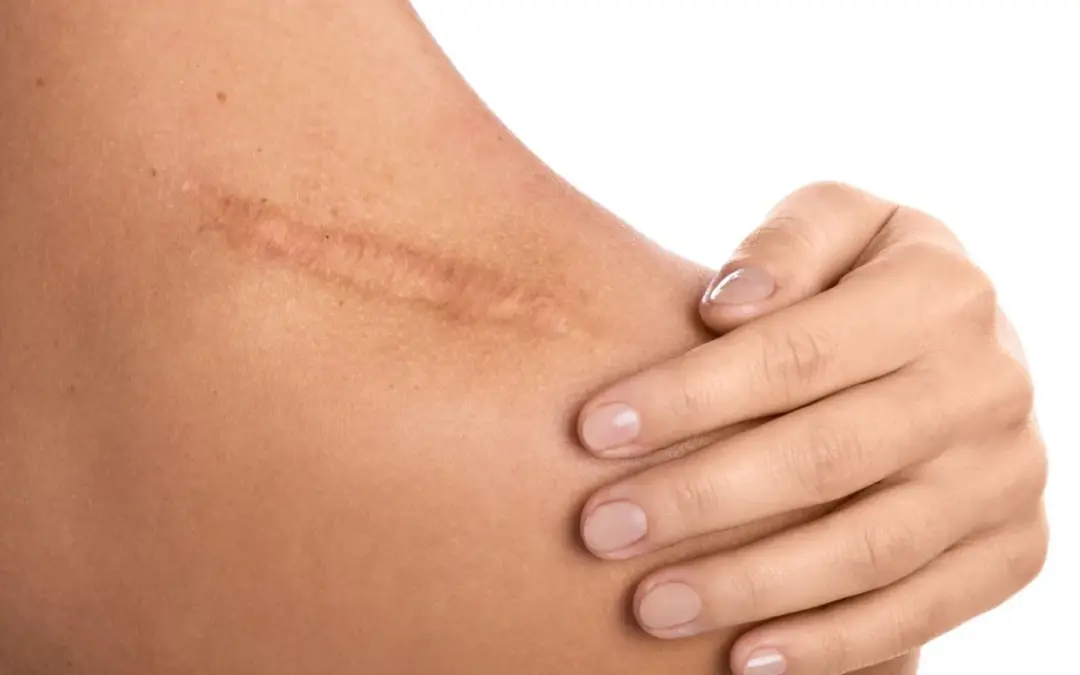
You will have some degree of scarring, because any incision disrupts the collagen structure of the skin and the body builds new tissue to heal. Complete scar-free healing isn’t possible, but most surgical scars fade significantly within 12 to 18 months, becoming thin, soft and barely noticeable. With modern keyhole and scarless techniques, what’s left is often so small it’s hard to spot at all.
According to Prof. Dr. Sandeep Nayak, Surgical Oncologist in India, “I’m honest with patients that no surgery is truly scar-free, but wherever the cancer allows it, I choose approaches that leave marks so small or hidden they stop mattering once they’ve healed.”
Concerned about scarring from your surgery?
What Decides How Visible a Scar Will Be?
A few clear factors shape how much, if anything, shows once healing is done. These are the main ones.
- The surgical approach: Open surgery leaves a larger scar, while robotic and keyhole methods use cuts so small they often fade to almost nothing over time.
- Where the incision sits: Surgeons place cuts in natural folds or hidden areas wherever possible, so the resulting mark is far harder to notice.
- The procedure itself: Some operations, like RABIT for the thyroid, are designed specifically to avoid any visible scar on exposed skin entirely.
- Your own healing: Skin type and collagen healing vary, which is why the same operation can leave a fainter mark on one person than another.
So the scar is shaped by choices, not left to chance. For an example of a truly scar-free approach, our blog on scarless thyroid surgery explains how it works.
How Can Scarring Be Kept to a Minimum?
Reducing scars is a deliberate part of planning surgery, not an afterthought. Here’s how it’s done.
- Choosing keyhole methods: Where the cancer allows, minimally invasive surgery is picked precisely because its tiny incisions leave the smallest possible marks.
- Hidden or natural-line cuts: Placing incisions along natural skin creases or out of sight means any scar blends in rather than standing out.
- Scar-free techniques: Specialised approaches like RABIT remove the tumour through routes that leave no mark on visible skin at all.
- Good aftercare: Proper wound care over the 12 to 18 months of healing helps scars settle flat and fade, so the final result is as discreet as possible.
So minimal scarring is planned from the start. In suitable cases, robotic cancer surgery is chosen partly because it leaves such small, discreet marks.
Why Choose Dr. Sandeep Nayak for Your Cancer Surgery?
Dr. Sandeep Nayak brings 24 years of surgical oncology experience, DNB qualifications in Surgical Oncology and General Surgery and a fellowship in Laparoscopic and Robotic Onco-Surgery to surgery across all cancer types. As the originator of the scarless RABIT technique, he plans every operation with the final appearance in mind, not just the cancer outcome.
That attention to scarring is what lets patients heal without a daily reminder of surgery. Every case at MACS Clinic goes through a full tumour board, where the surgical approach is chosen before anything begins. Call +91 8104310753 to book your consultation.
Frequently Asked Questions
Will cancer surgery leave a visible scar?
Often minimal, as modern techniques use tiny or hidden incisions.
Does robotic surgery reduce scarring?
Yes, its small keyhole incisions leave much smaller scars.
Can surgery be done with no scar?
Some procedures like RABIT thyroid surgery leave no visible neck scar.
Do scars fade over time?
Yes, most surgical scars fade considerably over the following months.
References:
- National Cancer Institute — Surgery to Treat Cancer. https://www.cancer.gov/
- World Health Organisation — Cancer. https://www.who.int/news-room/fact-sheets/detail/cancer
