
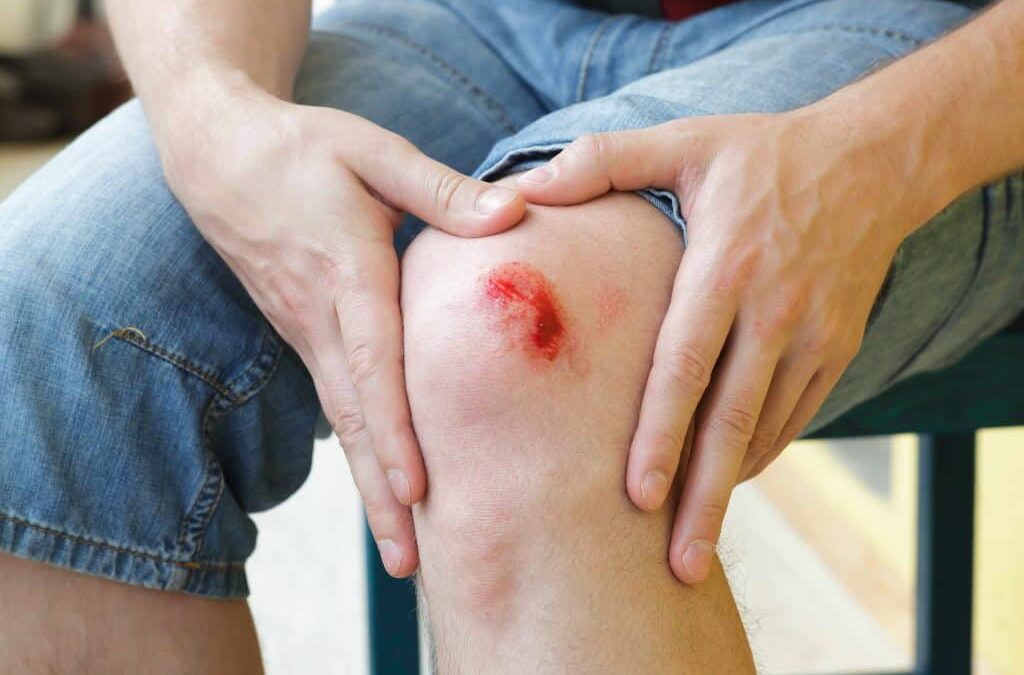
A normally healing wound has clean, closed edges, mild redness right around it and swelling that steadily fades. Some tenderness and a little clear or slightly pink fluid in the first days are expected, not a problem. The surface usually closes within two to three weeks, with the redness and firmness settling over the following weeks. Spreading redness, pus or worsening pain is what signals something’s wrong.
According to Prof. Dr. Sandeep Nayak, Surgical Oncologist in India, “Most patients worry over completely normal healing, a bit of redness or firmness, so I tell them what’s expected, because knowing the difference between healing and infection saves a lot of needless panic.”
Unsure whether your wound is healing properly?
What Are the Signs of Normal Healing?
Healthy healing follows a fairly predictable pattern, and knowing it reassures more than it worries. These are the signs to expect.
- Closed, clean edges: Within days the wound edges sit together neatly, and a sealed surface is the clearest sign that healing is on track.
- Mild, fading redness: A thin band of redness right at the wound is normal early on, and it should shrink rather than spread over time.
- Swelling that settles: Some swelling and firmness around the site is expected at first, easing gradually over the following days and weeks.
- Decreasing tenderness: The area feels sore initially but a little less each day, and that steady improvement is exactly what healing should feel like.
So normal healing is steady, quiet progress. For the fuller recovery picture after an operation, our blog on robotic cancer surgery covers what to expect.
When Should a Wound Worry You?
Certain signs mean the wound needs prompt attention rather than watching. These are the ones to act on.
- Spreading redness: Redness that widens outward from the wound, rather than fading, can be an early sign of infection and needs checking.
- Pus or bad odour: Thick yellow or green discharge, or a foul smell, is not part of normal healing and should be reviewed quickly.
- Increasing pain: Pain that worsens after the first few days, instead of easing, suggests something is wrong beneath the surface.
- Fever or the wound opening: A temperature alongside the wound, or edges pulling apart, both warrant urgent medical attention without delay.
So trust steady improvement, and act when things move the wrong way. In suitable cases, robotic cancer surgery helps by leaving small wounds that tend to heal cleanly and fast.
Why Choose Dr. Sandeep Nayak for Your Cancer Surgery?
Dr. Sandeep Nayak brings 24 years of surgical oncology experience, DNB qualifications in Surgical Oncology and General Surgery and a fellowship in Laparoscopic and Robotic Onco-Surgery to surgery across all cancer types. His team gives patients clear guidance on what normal healing looks like and exactly when to call, so recovery is never a guessing game.
That clear aftercare is what catches problems early and calms needless worry. Every case at MACS Clinic goes through a full tumour board, where the surgical and recovery plan is set before anything begins. Call +91 8104310753 to book your consultation.
Frequently Asked Questions
What does a normal healing wound look like?
Closed edges, mild redness and gradually fading swelling are all normal.
How long does a surgical wound take to heal?
The surface usually closes within two to three weeks.
Is some redness normal?
Yes, mild redness around the wound is part of normal healing.
When should I worry about a wound?
Worry with spreading redness, pus, fever or worsening pain.
References:
- National Cancer Institute — Surgery to Treat Cancer. https://www.cancer.gov/
- World Health Organisation — Cancer. https://www.who.int/news-room/fact-sheets/detail/cancer
