
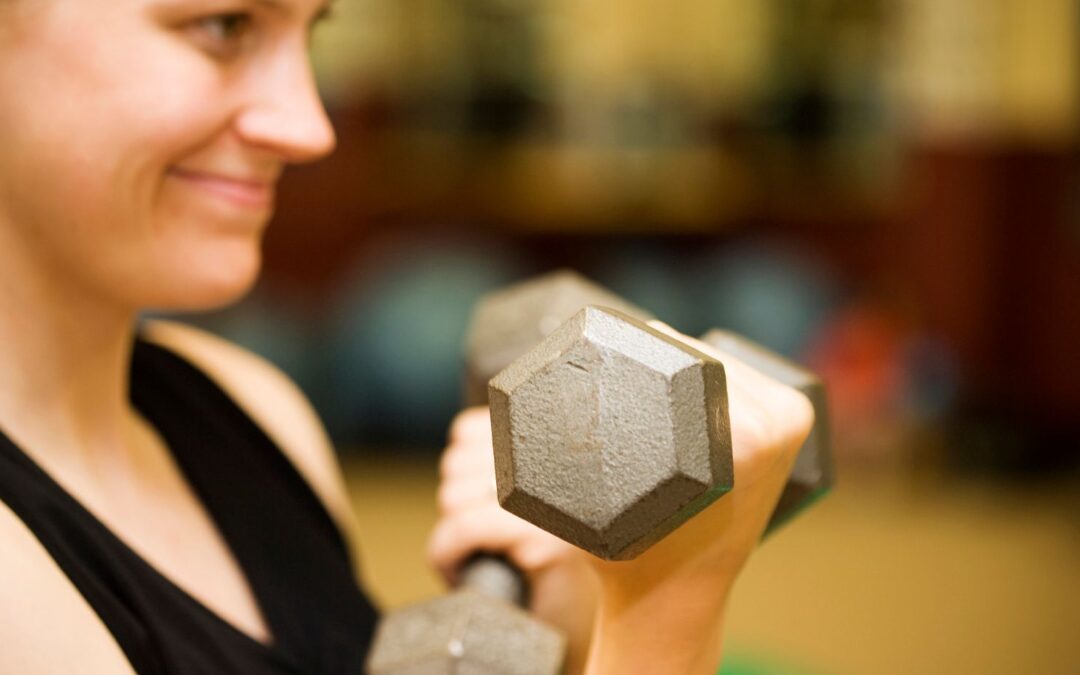
lifting weights after lymph node removal is generally safe and highly recommended, provided you are fully healed and follow a careful, gradual progression. While historical advice suggested avoiding heavy lifting, modern research shows that supervised, progressive strength training can actually reduce the risk of developing lymphedema by up to one-third.
According to Prof. Dr Sandeep Nayak, Surgical Oncologist in India, “Patients are often told never to lift again, which is outdated. What I advise is to build up slowly under guidance, because a strong, well-used limb usually copes better than a protected, idle one.”
Unsure when it’s safe to start lifting again?
Is It Safe to Lift After Node Removal?
The old fear around lifting has been overturned by better evidence. Here’s what’s now understood.
- Lifting is safe: Modern research is clear that gradual, progressive lifting does not raise lymphedema risk, reversing the blanket bans of the past.
- Strength helps: A well-conditioned limb often handles daily demands better, so building strength can actually be protective rather than harmful.
- Sudden load is the risk: It’s abrupt, heavy lifting without buildup that can cause trouble, not steady, planned strengthening over time.
- Guidance matters: Starting under a physiotherapist or surgeon’s direction ensures the progression is safe and tailored to your recovery.
So lifting is encouraged, just sensibly and gradually. For context on the surgery this follows, our blog on breast cancer surgery explains what’s involved.
How Should You Start Lifting Again?
Easing back in the right way protects the limb while you rebuild strength. These are the steps to follow.
- Wait for healing: Only begin once the wound has fully healed and your surgeon has cleared you, which is usually a few weeks after surgery.
- Start light: Begin with very light weights or resistance, far below your old level, and let your body adjust before adding more.
- Increase slowly: Add load gradually over weeks rather than days, since slow progression is exactly what keeps the limb safe.
- Watch for swelling: If the limb swells, aches or feels tight, ease off and check with your team before continuing to build up.
So a steady, monitored return is the safe path. For patients whose care involves surgery, robotic cancer surgery and precise node techniques aim to support a smoother recovery.
Why Choose Dr. Sandeep Nayak for Your Cancer Care?
Dr. Sandeep Nayak brings 24 years of surgical oncology experience, DNB qualifications in Surgical Oncology and General Surgery and a fellowship in Laparoscopic and Robotic Onco-Surgery to surgery across all cancer types. He gives patients up-to-date, evidence-based advice on returning to exercise, rather than the outdated blanket warnings many still hear.
That current guidance is what helps patients rebuild strength safely and confidently. Every case at MACS Clinic goes through a full tumour board, where the surgical and recovery plan is set before anything begins. Call +91 8104310753 to book your consultation.
Frequently Asked Questions
Can I lift weights after lymph node removal?
Yes, gradually and with guidance, lifting is now considered safe.
Does lifting cause lymphedema?
No, slow progressive lifting does not increase lymphedema risk.
When can I start lifting?
After the wound heals and your surgeon clears you, usually weeks later.
How should I start?
Begin light, increase slowly, and stop if swelling appears.
References:
- National Cancer Institute — Physical Activity and Cancer. https://www.cancer.gov/
- World Health Organisation — Cancer. https://www.who.int/news-room/fact-sheets/detail/cancer
