
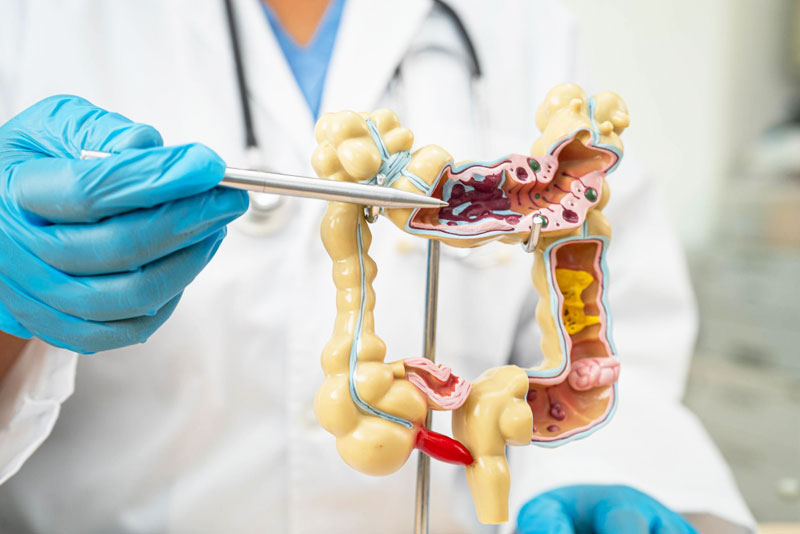
Constipation after cancer surgery is very common and usually nothing to be alarmed about. Anaesthesia slows the bowel, opioid painkillers slow it further, and lying in bed with little food or movement does the rest. It typically settles within a few days as you eat, drink and move more. It’s only a concern if you have severe pain, vomiting, or no bowel motion at all for several days.
According to Prof. Dr. Sandeep Nayak, Surgical Oncologist in India, “Almost every patient is a little constipated after surgery, it’s the anaesthetic and the painkillers, not a complication, and getting up to walk does more to fix it than people realise.”
Struggling with your bowels after surgery?
Why Does Constipation Happen After Surgery?
Several ordinary parts of surgery slow the bowel down together. These are the main causes.
- Anaesthesia slows things down: General anaesthesia temporarily pauses the bowel’s natural movement, so it takes a day or two to wake up and work normally again.
- Painkillers are a big factor: Opioid pain medicines are well known for slowing the gut, which is often the single largest reason for constipation after surgery.
- Less movement: Lying in bed and moving little after an operation slows digestion, since gentle activity is part of what keeps the bowel working.
- Eating and drinking less: Reduced food and fluid intake around surgery means less bulk and water in the bowel, both of which make stools harder to pass.
So constipation is the bowel reacting to surgery, not failing. For the wider picture of recovery and after-effects, our blog on robotic cancer surgery covers what to expect.
How Can You Ease It Safely?
A few simple steps usually get things moving again. These are the ones that help most.
- Drink plenty: Keeping your fluids up softens stools and is one of the easiest, most effective things you can do once you’re allowed to drink freely.
- Add gentle fibre: Fruit, vegetables and whole grains, as your team allows, add the bulk the bowel needs to push things through more easily.
- Move a little: Short, gentle walks as soon as you’re able genuinely stimulate the bowel, which is why early movement is encouraged after surgery.
- Use laxatives if advised: Doctors often prescribe a mild laxative or stool softener after surgery, so take it as directed rather than waiting it out.
So easing it is mostly about fluids, fibre and movement. In suitable cases, robotic cancer surgery allows earlier movement and lighter pain relief, which helps the bowel recover sooner.
Why Choose Dr. Sandeep Nayak for Your Cancer Surgery?
Dr. Sandeep Nayak brings 24 years of surgical oncology experience, DNB qualifications in Surgical Oncology and General Surgery and a fellowship in Laparoscopic and Robotic Onco-Surgery to surgery across all cancer types. His team plans recovery to get patients eating, moving and comfortable early, which keeps everyday issues like constipation to a minimum.
That practical aftercare is what makes recovery smoother and less uncomfortable. Every case at MACS Clinic goes through a full tumour board, where the surgical and recovery plan is set before anything begins. Call +91 8104310753 to book your consultation.
Frequently Asked Questions
Is constipation normal after cancer surgery?
Yes, it is very common due to anaesthesia, painkillers and reduced movement
What causes constipation after surgery?
Anaesthesia, opioid painkillers, low activity and changed eating all slow the bowel.
How can I relieve it?
Fluids, fibre, gentle movement and prescribed laxatives usually help.
When should I worry?
Worry with severe pain, vomiting or no motion for days.
References:
- National Cancer Institute — Gastrointestinal Complications. https://www.cancer.gov/
- World Health Organisation — Cancer. https://www.who.int/news-room/fact-sheets/detail/cancer
