
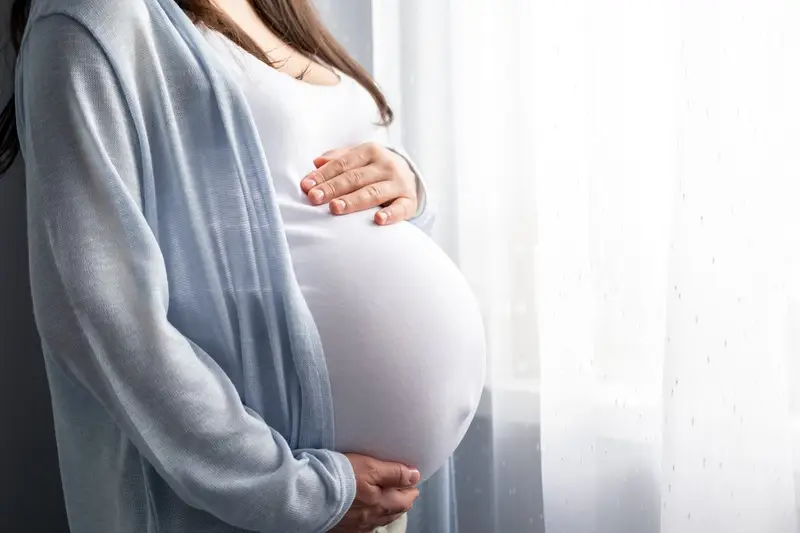
Two years is the usual wait after chemotherapy before trying to conceive. That window lets the drugs clear, gives the ovaries or testes time to recover, and covers the period when cancer is most likely to come back. Your exact timing depends on the cancer, the drugs used and your age. So the real plan is one your oncologist and a fertility specialist build together, not a number off a website.
According to Prof. Dr. Sandeep Nayak, Surgical Oncologist in India, “Pregnancy after chemo is a conversation I’d rather have before treatment than after. Two years is the safe default, but preserving fertility before the drugs ever go in is the bigger decision most patients miss.”
Thinking about a family after treatment?
Why Wait Before Trying for a Baby?
The waiting period isn’t arbitrary. Real medical reasons sit behind it.
- Drugs clear: Chemotherapy takes months to fully leave the body. Conceiving too soon raises real risks for a developing pregnancy.
- Fertility recovers: Ovaries and testes need time, often a year or more, to get back to normal cell production after chemo’s hit.
- Recurrence drops: The first two years are when cancer is most likely to return. Clearing that window means a healthier parent and a safer pregnancy.
- Body settles: Heart, hormones, bone health, all of it can take time to settle so the body’s genuinely ready for what pregnancy asks of it.
So the wait protects parent and baby, not just one. For patients whose treatment includes surgery, robotic cancer surgery is one part of a plan built with life after cancer in view.
What Should You Do Before Trying?
A few practical steps stack the odds in your favour. These are the ones that matter most.
- Ask oncologist: Get a green light specific to your cancer and your treatment. Generic advice from the internet doesn’t replace your doctor’s read on your case.
- See specialist: A fertility specialist can check ovarian reserve or sperm count. Anything worth addressing is easier flagged early than once you’re already trying.
- Consider preservation: If fertility preservation wasn’t done before chemo, there may still be options. Worth asking, even years later, depending on what was used.
- Full check-up: Heart, hormones, bone health. A proper review makes sure your body’s ready, not just that scans are clear.
So preparation makes the timing safer and the outcome better. For younger women whose treatment included breast cancer surgery, understanding what that surgery involved is part of planning life after cancer too.
Why Choose Dr. Sandeep Nayak for Your Cancer Treatment?
Dr. Sandeep Nayak brings 24 years of surgical oncology experience, DNB qualifications in Surgical Oncology and General Surgery and a fellowship in Laparoscopic and Robotic Onco-Surgery to the care of patients through every stage of treatment. He raises fertility planning early with younger patients, before treatment begins, because the right conversations at the right time genuinely shape what’s possible afterward.
That forward planning is what makes a family after cancer a realistic goal, not a closed door. Every case at MACS Clinic goes through a full tumour board, where the long-term plan is set together. Call +91 8104310753 to book your consultation.
Frequently Asked Questions
How long should I wait after chemo to plan a baby?
Usually at least two years, but timing depends on your cancer type.
Why wait after chemotherapy?
To clear chemo from the body and confirm no recurrence first.
Does chemo affect fertility?
It can, so discuss fertility preservation before treatment when possible.
Should I see a specialist?
Yes, your oncologist and a fertility specialist should plan together.
References:
- National Cancer Institute — Fertility Issues in Boys and Men with Cancer. https://www.cancer.gov/
- World Health Organisation — Cancer. https://www.who.int/news-room/fact-sheets/detail/cancer
