
Most cancer patients can travel by car or train safely, provided they plan ahead and get their oncologist’s go-ahead first. The key factors are how recent the treatment was, current blood counts, and whether the trip falls during chemo or in a recovery window. Short trips with breaks are usually fine, longer journeys need a bit more thought around medicines, fatigue and infection risk in crowded places.
According to Prof. Dr. Sandeep Nayak, Surgical Oncologist in India, “Travel during cancer treatment is more about planning than restriction. I rarely say no to a short trip when patients ask, because the right preparation handles most of the worries, and a complete pause on normal life isn’t what most patients need.”
Planning a journey during cancer treatment?
Is It Safe to Travel?
The answer depends less on the mode of transport and more on the timing and your current condition.
- Treatment timing: Travelling between cycles or well after surgery is far safer than immediately after a chemo session or in the first post-op week.
- Counts matter: Low white-cell counts during chemo raise infection risk on crowded trains, which is worth checking with your team before booking.
- Distance limit: Short trips of a few hours are usually fine, while long-distance journeys need more planning around fatigue, medicines and rest stops.
- Car flexibility: Cars let you stop, stretch and avoid crowds, which often makes them the easier option during the more vulnerable weeks of treatment.
So safety is about timing and planning, not the vehicle itself. For patients whose surgery was minimally invasive, robotic cancer surgery often allows earlier travel because recovery is quicker.
How Should You Prepare for the Journey?
A few practical steps make the difference between a hard trip and an easy one.
- Ask oncologist: Get clearance specific to your treatment stage and current condition before booking, especially if it’s a longer journey.
- Pack medicines: Carry all medicines, including any anti-nausea or pain relief, in your hand luggage with prescriptions in case anything’s needed during the trip.
- Stay hydrated: Carry water and light snacks, since dehydration and missed meals worsen fatigue and nausea far faster during treatment.
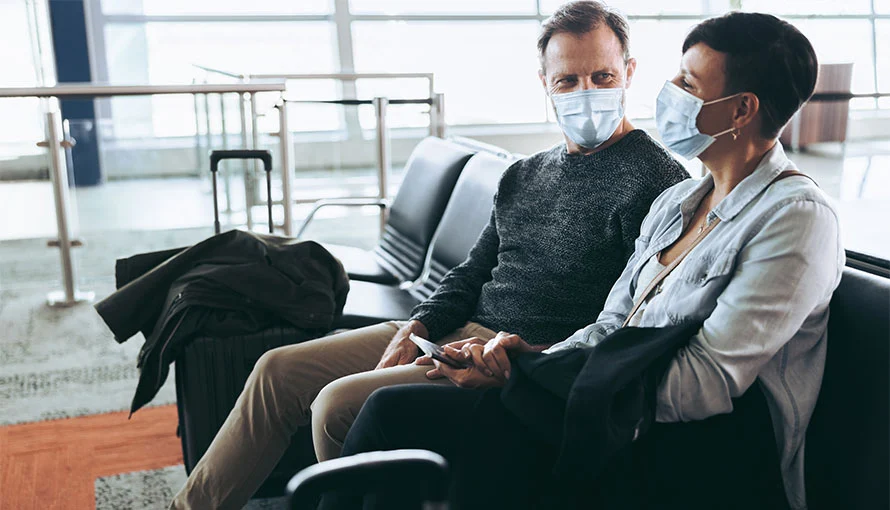
- Mask up: A mask helps on trains and other crowded transport, especially when white-cell counts are low and infection risk is higher.
So practical packing turns a worrying journey into a manageable one. Patients weighing whether to travel now or wait often face the same kind of timing question as our blog on biopsy delay covers, short windows in cancer care are about planning, not avoidance.
Why Choose Dr. Sandeep Nayak for Your Cancer Care?
Dr. Sandeep Nayak brings 24 years of surgical oncology experience, DNB qualifications in Surgical Oncology and General Surgery and a fellowship in Laparoscopic and Robotic Onco-Surgery to the care of patients through every stage of treatment. He gives clear, practical advice on everyday decisions like travel, so patients can keep living their lives instead of putting them on hold completely.
That practical guidance is what makes cancer treatment fit around life, not the other way round. Every case at MACS Clinic goes through a full tumour board, where the recovery and lifestyle plan is set alongside the treatment plan. Call +91 8104310753 to book your consultation.
Frequently Asked Questions
Can cancer patients travel by car or train?
Most can, with planning, breaks and oncologist clearance beforehand.
Is car or train safer?
Both are safe, choose based on comfort, distance and infection risk.
Should I travel during chemotherapy?
Short trips usually fine, longer ones need careful planning with oncologist.
What should I carry while travelling?
Medicines, water, snacks, mask, sanitiser and emergency contact details.
References:
- National Cancer Institute — Coping with Cancer Treatment. https://www.cancer.gov/
- World Health Organisation — Cancer. https://www.who.int/news-room/fact-sheets/detail/cancer
