
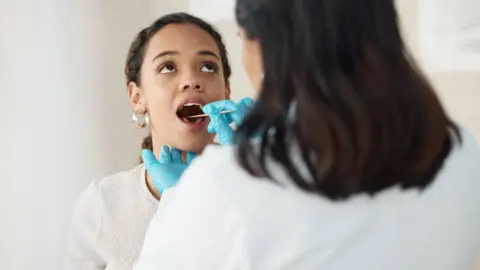
India accounts for nearly one in three oral cancers worldwide, mostly because of widespread tobacco use, chewing gutka, paan masala and supari, smoking bidis or cigarettes, and heavy alcohol use. Late detection makes it worse, as most patients arrive at the clinic at stage three or four. The risk factors are largely preventable, and screening can catch oral cancer early when it’s still highly curable.
According to Prof. Dr. Sandeep Nayak, Surgical Oncologist in India, “Oral cancer in India is the most preventable major cancer I treat. Almost every case I see traces back to tobacco in some form, and the most heartbreaking part is how late patients present, when the cure rate would have been excellent six months earlier.”
Worried about an oral lesion or tobacco history?
Why Is the Rate So High?
The drivers are everyday habits and late presentation, not anything mysterious.
- Chewed tobacco: Gutka, paan masala, supari and zarda are chewed daily by millions, and held against the cheek they directly cause cancer over years.
- Smoking forms: Bidis, cigarettes and reverse smoking each carry strong oral cancer risk, often combined with chewing tobacco for an even higher burden.
- Alcohol pairs: Heavy alcohol use multiplies the cancer risk of tobacco, and combined use is far more dangerous than either alone.
- Late diagnosis: Most Indian patients present with stage three or four disease, where treatment is harder and outcomes worse, when stage one is highly curable.
So the high rate isn’t bad luck, it’s preventable habits plus late detection. For patients facing surgery, robotic cancer surgery offers precise treatment for selected oral and head-and-neck cancers.
What Can You Do to Lower the Risk?
The good news is that oral cancer is one of the most preventable cancers. Here’s how.
- Quit tobacco: Stopping all forms of tobacco, chewed and smoked, drops oral cancer risk substantially within a few years of quitting.
- Cut alcohol: Reducing or stopping heavy alcohol use lowers risk further, especially in those who also use tobacco.
- Mouth checks: Look monthly for non-healing ulcers, white or red patches, lumps or persistent pain, and act on anything that doesn’t settle in three weeks.
- Dental visits: Regular dental check-ups catch precancerous changes early, often before patients notice anything wrong themselves.
So prevention is genuinely in your hands here. A persistent oral painless lump or ulcer that won’t heal is exactly the kind of sign worth checking quickly rather than waiting on.
Why Choose Dr. Sandeep Nayak for Your Cancer Care?
Dr. Sandeep Nayak brings 24 years of surgical oncology experience, DNB qualifications in Surgical Oncology and General Surgery and a fellowship in Laparoscopic and Robotic Onco-Surgery to the care of patients with all cancer types, including head and neck. He encourages tobacco users and anyone with persistent mouth changes to come in early, while early intervention still makes the biggest difference.
That early-action focus is what changes oral cancer outcomes most. Every case at MACS Clinic goes through a full tumour board, where the treatment plan is set together. Call +91 8104310753 to book your consultation.
Frequently Asked Questions
Why is oral cancer common in India?
Mainly due to tobacco chewing, gutka, smoking, alcohol and late detection.
Is oral cancer preventable?
Yes, largely, by avoiding tobacco, alcohol and screening for early signs.
What are early signs of oral cancer?
Non-healing mouth ulcers, white patches, lumps or unexplained bleeding.
Who should get screened?
Tobacco users and those with persistent mouth changes need regular screening.
References:
- National Cancer Institute — Oral Cavity and Oropharyngeal Cancer. https://www.cancer.gov/
- World Health Organisation — Cancer. https://www.who.int/news-room/fact-sheets/detail/cancer
