
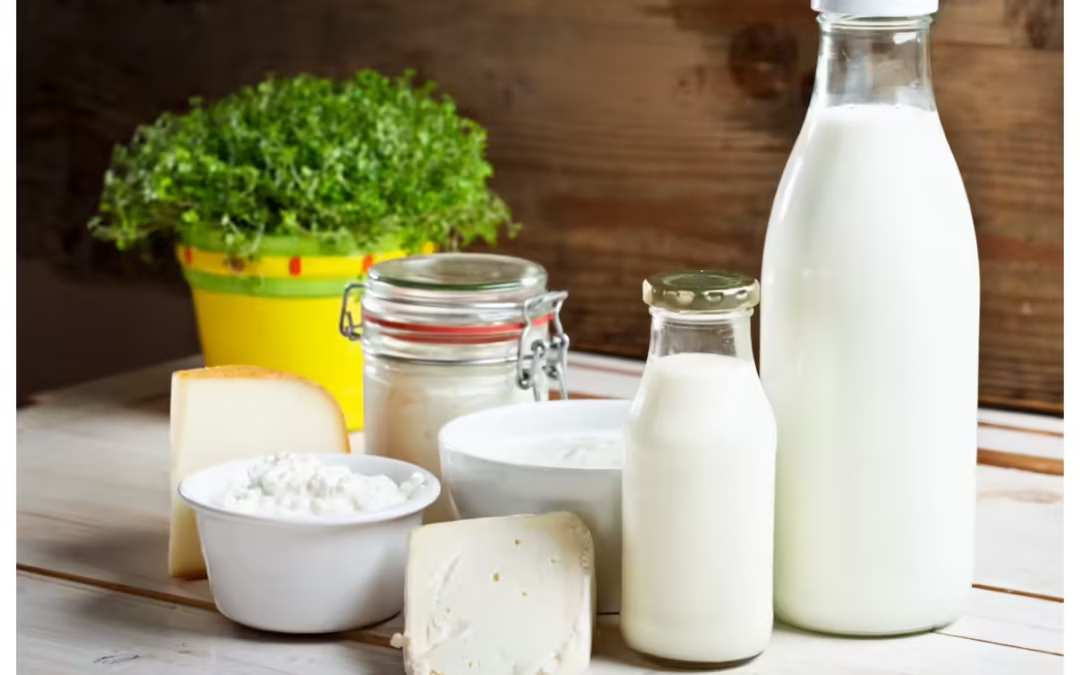
Pasteurised milk and paneer are usually safe during cancer in normal household amounts, and they’re a useful source of protein, calcium and vitamin D for patients struggling to eat enough. Most research shows neutral to mildly protective effects for common cancers, though very high intake remains debated for prostate cancer specifically. The two real rules are: stick to pasteurised dairy during chemo, and let your oncologist guide hormone-sensitive cases.
According to Prof. Dr. Sandeep Nayak, Surgical Oncologist in India, “Patients fear paneer and milk far more than they should. For most of my patients, sensible household amounts of pasteurised dairy support nutrition through treatment, the cases where I actively limit it are hormone-sensitive cancers or very high regular intake, not everyday cooking.”
Unsure whether your daily dairy is still safe?
Is Dairy Actually Risky?
The honest answer is that the evidence is mixed but mostly reassuring. Here’s the picture for everyday choices.
- Mostly safe: Large meta-analyses show no clear link between normal household dairy intake and most cancers, including breast cancer, where the data is largest.
- Protein helps: Paneer and milk are good protein sources for cancer patients losing weight or appetite, which matters more for outcomes than most dietary fears.
- Some debate: Very high daily intake has been linked in some studies to prostate cancer risk, so heavy consumers benefit from moderating rather than panicking.
- Pasteurised only: During chemo, raw milk and soft unpasteurised cheeses carry real listeria risk on lowered immunity, which is the genuine safety concern.
So dairy in normal amounts is rarely the problem people fear. For patients whose plan involves surgery, robotic cancer surgery is one part of a treatment plan with nutrition considered throughout.
How Should You Include Dairy Safely?
A few practical principles cover what most patients actually need to know.
- Pasteurised first: Always choose pasteurised milk, paneer and yoghurt during treatment, since pasteurisation removes the bacteria that low immunity can’t fight off.
- Normal amounts: Stick to everyday household portions, like a glass of milk or a small serving of paneer, rather than concentrated high-dose dairy diets.
- Ask oncologist: Hormone-sensitive cancers, especially hormone-receptor-positive breast cancer, may need specific advice, so check with your team before changing intake.
- Cooked safer: Cooked paneer in curries or with vegetables is safer than raw or briefly seared paneer, which can carry bacteria the immune system can’t manage.
So dairy stays in the diet for most patients, just sensibly. Hormone-sensitive cases especially depend on understanding your IHC test, since that result shapes what specific dietary guidance fits your cancer.
Why Choose Dr. Sandeep Nayak for Your Cancer Care?
Dr. Sandeep Nayak brings 24 years of surgical oncology experience, DNB qualifications in Surgical Oncology and General Surgery and a fellowship in Laparoscopic and Robotic Onco-Surgery to the care of patients through every stage of treatment. He gives clear, evidence-based dietary guidance tailored to each cancer type, so patients aren’t forced to choose between fear-based restrictions and genuine nutrition.
That balanced, individual approach is what keeps patients eating well rather than panicked. Every case at MACS Clinic goes through a full tumour board, where the treatment and nutrition plan is set together. Call +91 8104310753 to book your consultation.
Frequently Asked Questions
Is paneer or milk safe during cancer?
In moderation, yes, but choose pasteurised dairy and ask your oncologist.
Does dairy worsen cancer?
Most evidence shows no clear link, but very high intake remains debated.
Can I have dairy during chemo?
Yes, but only pasteurised products, as raw dairy raises infection risk.
Which dairy is best during cancer?
Pasteurised milk, paneer, yoghurt or hard cheese in normal amounts.
References:
- National Cancer Institute — Diet, Nutrition and Cancer. https://www.cancer.gov/
- World Health Organisation — Cancer. https://www.who.int/news-room/fact-sheets/detail/cancer
