
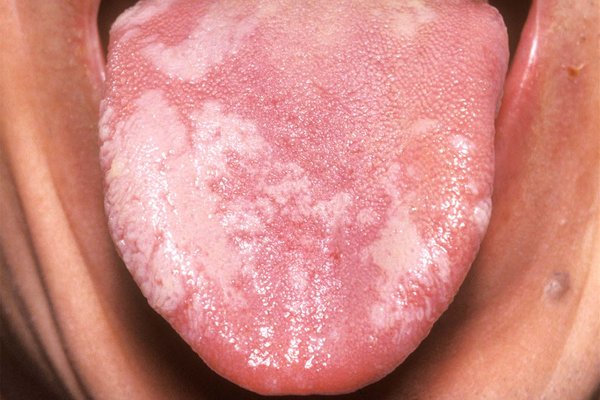
Most white patches on the tongue are not cancer. The vast majority come from friction, fungal infections like oral thrush, smoking residue or healing oral ulcers. A small subset are leukoplakia, a true precancerous condition linked to tobacco, gutka and alcohol, which carries a 3 to 17 percent risk of turning into oral cancer over years. The simple rule is: a patch that doesn’t wipe off and doesn’t heal in three weeks needs checking.
According to Prof. Dr. Sandeep Nayak, Surgical Oncologist in India, “White patches in the mouth panic patients more often than they need to, but the small fraction that are leukoplakia genuinely matter. My job is separating the two quickly, because catching a precancerous patch before it turns is one of the easiest wins in oral oncology.”
Spotted a white patch that won’t heal?
What Usually Causes a White Patch?
Most causes are entirely benign and easy to explain. Here’s what they typically are.
- Oral thrush: A fungal infection caused by Candida, common after antibiotics or in diabetes, presents as creamy white patches that often wipe off with gentle pressure.
- Cheek biting: Repeated friction from a sharp tooth or accidental cheek biting can thicken the lining into a white patch, which settles once the irritation is removed.
- Healing ulcer: Mouth ulcers that are healing often leave a temporary white film over the area, which clears within a week or two as the tissue settles.
- Leukoplakia: A true thickened white patch that doesn’t wipe off, linked to tobacco, gutka or alcohol, and the one type that can be genuinely precancerous.
So most patches are common and harmless. For patients facing oral surgery, robotic cancer surgery offers precise, recovery-friendly approaches for oral and head-and-neck cancers when surgery is needed.
When Does a White Patch Need Checking?
The warning signs separate everyday patches from the few that need urgent review.
- Doesn’t wipe: A patch that you can’t gently wipe or scrape off is different from oral thrush, and that’s the one to take seriously.
- Won’t heal: Anything in the mouth that hasn’t settled in three weeks needs evaluation, since persistence is the single strongest warning sign.
- Hardening growing: A patch that thickens, hardens or grows over weeks is the pattern leukoplakia follows, and these need investigation without delay.
- Red mixed in: White-and-red mixed patches (erythroleukoplakia) carry the highest cancer risk of all and warrant urgent specialist review.
So persistence and change are the signals to act on. Once a suspicious patch is identified, a cancer biopsy is the test that confirms whether it’s truly precancerous or harmless.
Why Choose Dr. Sandeep Nayak for Your Cancer Care?
Dr. Sandeep Nayak brings 24 years of surgical oncology experience, DNB qualifications in Surgical Oncology and General Surgery and a fellowship in Laparoscopic and Robotic Onco-Surgery to the care of patients with oral and head-and-neck concerns. He evaluates white patches without alarm but without dismissal either, biopsying when needed and reassuring patients when not, so the genuinely worrying few are caught early.
That balance is what catches precancerous patches in time, when treatment is simple and curative. Every case at MACS Clinic goes through a full tumour board, where the plan is set together. Call +91 8104310753 to book your consultation.
Frequently Asked Questions
Is a white tongue patch always cancer?
No, most white patches are benign, but some are precancerous.
What causes white patches on the tongue?
Friction, fungal infection, smoking, gutka, or leukoplakia, which can be precancerous.
When should I worry about a white patch?
If it doesn’t wipe off, doesn’t heal in three weeks, or grows.
How is it diagnosed?
With a clinical exam and biopsy of the suspicious patch.
References:
- National Cancer Institute — Oral Cavity and Oropharyngeal Cancer. https://www.cancer.gov/
- World Health Organisation — Cancer. https://www.who.int/news-room/fact-sheets/detail/cancer
