
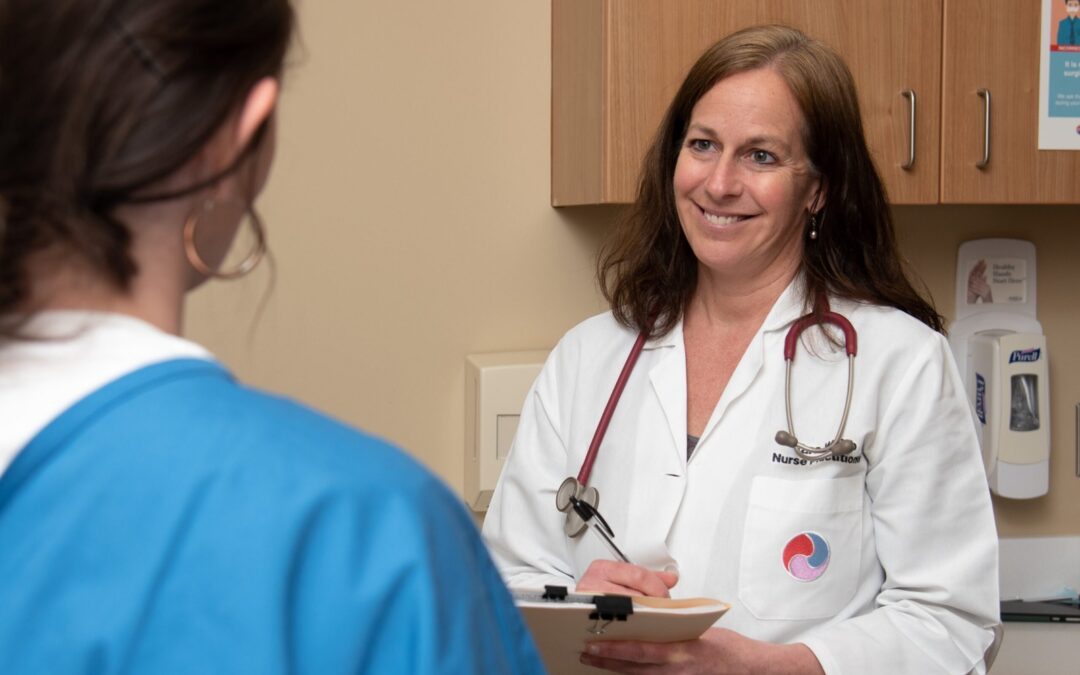
The first oncology visit should answer five things, what exactly is the cancer and its stage, what is the proposed treatment plan and why, what are the realistic side effects and impact on daily life, what is the expected outcome and follow up schedule, and what does this cost or which insurance covers it. Asking these directly turns an overwhelming consult into a clear plan. Bring all reports, a notebook and a family member, so nothing important slips by in the moment.
According to Prof. Dr. Sandeep Nayak, Surgical Oncologist in India, “The patients who walk in with a written list of questions get better consults, every time. Cancer news is emotionally overwhelming and the mind blanks, so I actively encourage families to bring their list, because no question is too small and the answers shape the next few months of life.”
That first oncology visit deserves real answers, not a head full of forgotten questions.
What Should You Ask About Your Diagnosis and Treatment?
These are the foundational questions every first consult should cover.
- Cancer type: Ask exactly what type of cancer it is, its subtype, and which organ it started in, since this shapes the entire treatment plan.
- Stage spread: Ask the stage of cancer, whether it has spread to lymph nodes or other organs, and what that means for prognosis and treatment choices.
- Treatment options: Ask what treatments are recommended, why this specific combination, what alternatives exist and what happens if you choose differently.
- Why timing: Ask why treatment needs to start when it does, what’s the window, and whether anything urgent or life event can be planned around it.
So clarity on diagnosis and plan is the foundation of an informed consult. For patients whose treatment includes surgery, robotic cancer surgery offers precise, recovery focused treatment as part of a complete plan.
What Should You Ask About Outcomes, Side Effects and Practical Matters?
These questions cover the human side of the treatment, not just the medical plan.
- Side effects: Ask honestly what side effects to expect, how severe, how long, and what supportive care or medications help manage each one.
- Daily life: Ask how treatment will affect work, eating, exercise, sex life, sleep and family responsibilities, so practical planning starts early.
- Outcome odds: Ask the realistic cure or survival rates for your specific cancer at this stage, and what follow up scans and tests will look like over the years.
- Cost insurance: Ask the cost breakdown for surgery, chemo, radiation and follow up, and which parts your insurance or health scheme covers in full.
So practical questions matter as much as medical ones. When you’re not fully sure about a recommended plan, getting a second opinion is a perfectly reasonable next step that experienced oncologists genuinely welcome.
Why Choose Dr. Sandeep Nayak for Your Breast Cancer Care?
Dr. Sandeep Nayak brings 24 years of surgical oncology experience, DNB qualifications in Surgical Oncology and General Surgery and a fellowship in Laparoscopic and Robotic Onco Surgery to the care of patients across every cancer type. He gives patients time at the first consult to ask everything on their list, explains the plan in plain language, and answers cost questions openly, so families leave with clarity rather than fresh confusion.
That patient time and openness is what makes the first consult genuinely useful, not just another hospital appointment. Every case at MACS Clinic goes through a full tumour board, where the treatment plan is set together. Call +91 8104310753 to book your consultation.
Frequently Asked Questions
What should I ask my oncologist on the first visit?
Diagnosis, stage, treatment plan, side effects and follow-up schedule.
How long is a first oncology consult?
Usually 30 to 60 minutes, depending on the case complexity.
What should I bring?
All reports, biopsy, scans, medicine list and a family member.
Can I ask about cost?
Yes, every patient has the right to ask about cost.
References:
- National Cancer Institute, Questions to Ask Your Doctor About Cancer. https://www.cancer.gov/
- World Health Organisation, Cancer. https://www.who.int/news-room/fact-sheets/detail/cancer
