
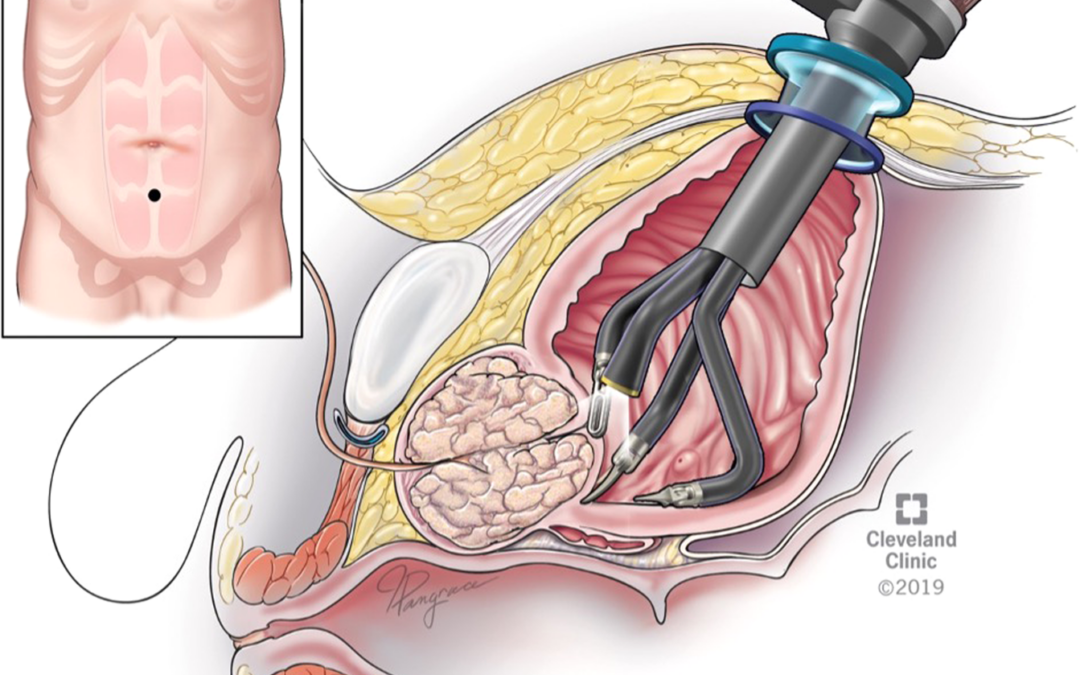
Robotic prostatectomy generally carries measurable perioperative safety advantages over open surgery, less blood loss, lower transfusion rates and a somewhat lower rate of complications overall. Cancer control and functional recovery, continence and potency, are largely comparable between the two approaches in experienced hands. What matters most for safety is not the platform itself but the surgeon’s volume and experience performing the operation, regardless of whether it is robotic or open.
According to Dr. Sandeep Nayak, Surgical Oncologist in India, “Robotic prostatectomy does show real advantages on measures like blood loss and transfusion rates, and I use it as my standard approach for exactly that reason. But I want to be honest, the biggest single determinant of a safe outcome is not the robot, it’s the surgeon’s experience with the specific operation. A high volume surgeon doing open surgery will outperform a low volume surgeon using a robot. The platform helps, but it doesn’t replace skill.”
Considering prostatectomy and weighing your surgical options?
What Do the Perioperative Safety Differences Look Like?
Comparing measurable safety outcomes clarifies where robotic surgery’s advantages genuinely lie.
- Blood loss : Robotic prostatectomy is consistently associated with less intraoperative blood loss than open surgery, a well documented difference.
- Transfusion rates : Lower blood loss translates to meaningfully lower rates of blood transfusion during and after robotic procedures.
- Complication rates : Overall complication rates tend to run somewhat lower with robotic surgery, though serious complications are uncommon with either approach in skilled hands.
- Hospital stay : Robotic surgery typically means a shorter hospital stay, reflecting the smaller incisions and generally smoother early recovery.
These measurable differences are part of the broader picture in prostate cancer treatment, where perioperative safety is one factor among several that shape the treatment decision.
Robotic or Open: How Do They Compare?
Here is how the two approaches line up side by side.
|
Feature |
Robotic |
Open |
|
Blood loss |
Generally lower |
Generally higher |
|
Transfusion rate |
Lower |
Higher |
|
Complication rate |
Somewhat lower |
Somewhat higher |
|
Cancer control |
Comparable |
Comparable |
|
Functional outcomes |
Comparable |
Comparable |
|
Determined most by |
Surgeon experience |
Surgeon experience |
- Cancer control is similar : Margin rates and long term cancer control are broadly comparable between well performed robotic and open surgery.
- Functional recovery is similar : Continence and potency recovery depend more on surgical technique and nerve sparing than on the platform used.
- Experience outweighs technology : A high volume surgeon using either approach consistently outperforms a low volume surgeon regardless of platform.
- Open surgery still has a role : Where robotic access is unavailable, or in very complex or bulky disease, open surgery remains a legitimate, safe option.
Judging which approach fits a particular case connects directly to the wider decisions covered in our guide to prostate cancer treatment options, where the right technique is one part of a larger plan.
.
Why Choose Dr. Sandeep Nayak for Prostatectomy?
Dr. Sandeep Nayak is a surgical oncologist with 24 years of experience and a fellowship in laparoscopic and robotic onco-surgery. He performs robotic prostatectomy as his standard approach given its measurable perioperative advantages, while maintaining the open surgical skill needed for cases where it is genuinely the safer or only option. This means the technique is matched to the case rather than applied by default.
Choosing a surgeon for prostatectomy comes down to experience more than the equipment used. A surgeon with genuine volume in this specific operation, whether robotic or open, brings a level of judgement and technical familiarity that a lower volume surgeon with newer equipment cannot replicate. The platform contributes real, measurable safety advantages, but it is the hands using it that ultimately determine the outcome.
Frequently Asked Questions
Is robotic prostatectomy safer than open surgery?
Generally yes on perioperative measures like blood loss and complication rate.
Are cancer control outcomes different between the two?
Largely comparable in experienced hands, with slightly better margin rates possible robotically.
Does surgeon experience matter more than the platform?
Yes. Surgeon volume is the strongest determinant of safety regardless of technique.
Is open surgery still used for prostate cancer?
Yes, particularly where robotic access is unavailable or disease is very complex.
References
- Perioperative outcomes comparing robotic and open radical prostatectomy – National Library of Medicine
- Surgeon volume and outcomes in radical prostatectomy – National Library of Medicine
Disclaimer: This blog is for informational and educational purposes only and is not a substitute for professional medical advice or diagnosis.
