
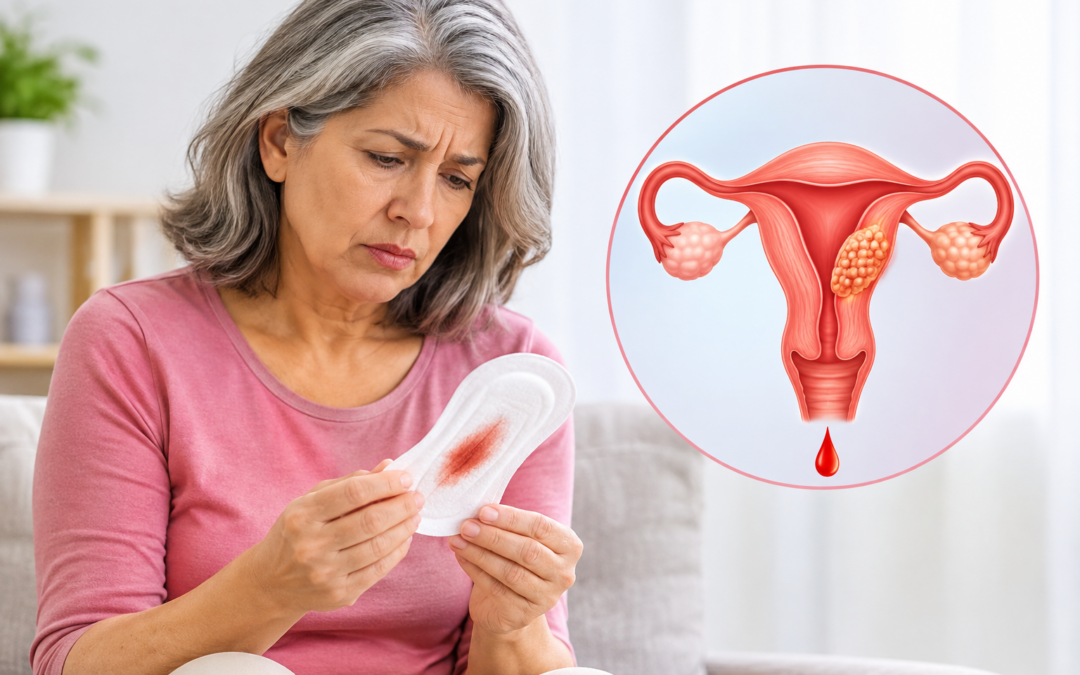
If you experience post-menopausal bleeding, it is important to get it evaluated promptly, as about 1 in 10 women with bleeding after menopause have uterine (endometrial) cancer. The vast majority of cases are simple and caused by lack of thickness to the lining of the womb, but only tests can distinguish between the two.
According to Prof. Dr. Sandeep Nayak, Surgical Oncologist in Bengaluru at MACS Clinic, many women put up with light spotting for weeks, assuming it is harmless after menopause. Bleeding after 12 months without periods, no matter how light, requires investigation – early diagnosis of endometrial cancer is possible and often the bleeding is the first symptom.
Were you on your period for the last? Consult a surgical oncologist to find out the cause.
Is pancreatic cancer surgery possible, and who is a good candidate?
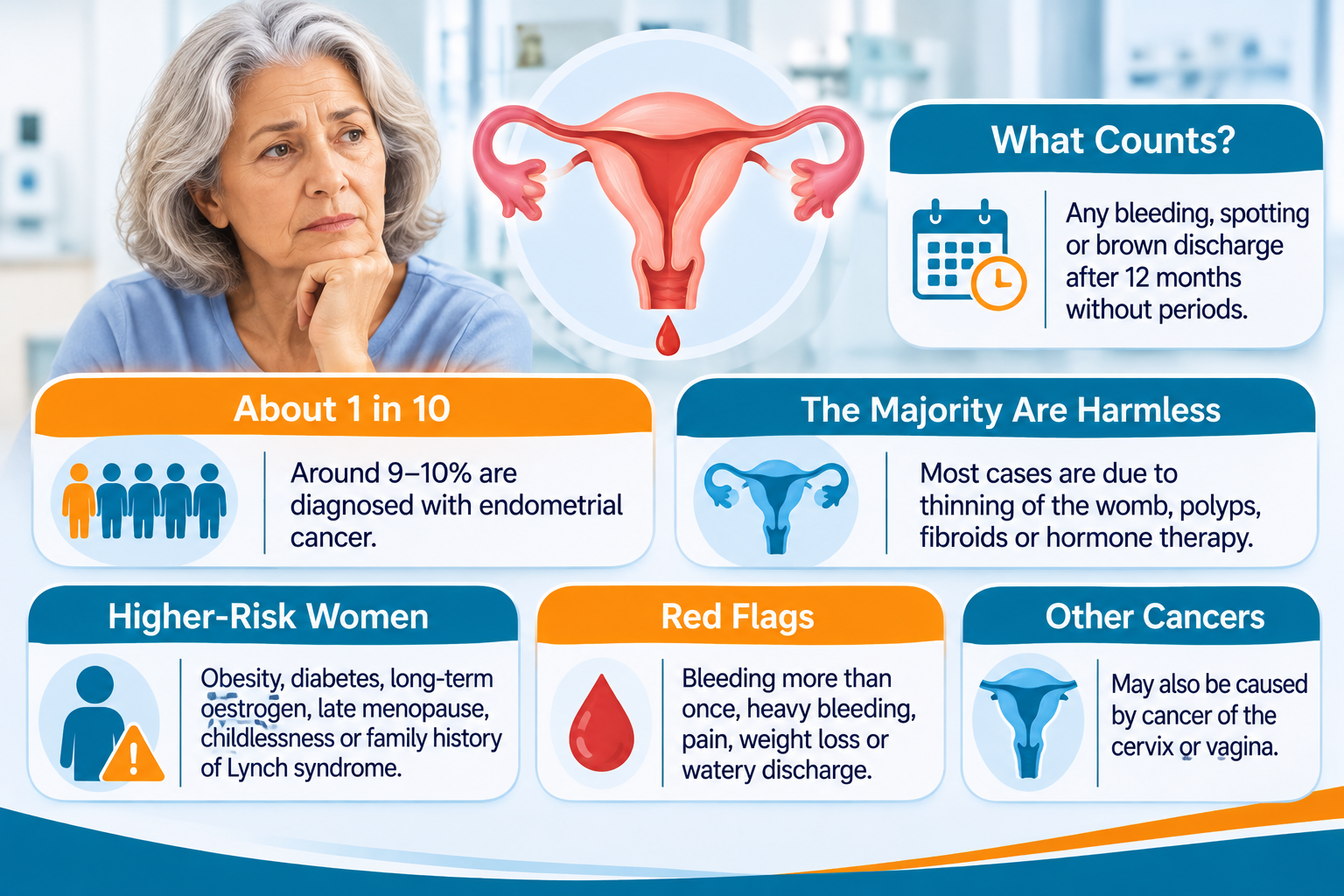
- What counts. Any bleeding, spotting or brown discharge after 12 months without periods.
- About 1 in 10. About 9-10% are diagnosed with endometrial cancer and a few more with abnormal (pre-cancer) changes. The uterus and cervical cancer page covers the symptoms and treatment of these cancers.
- The majority of cases are harmless. The most common cause is thinning of the womb or vaginal lining (atrophy), followed by polyps, fibroids and hormone therapy and infection.
- Higher-risk women. Obesity, diabetes, prolonged and continuous use of oestrogen, late menopause, never been pregnant (childlessness), and a family history of Lynch syndrome.
- Red flags. Bleeding that happens more than once or bleeding that is heavy, or bleeding that is mixed with pain in the tummy, loss of weight or a bloody, watery discharge.
- Other cancers. Bleeding after menopause may also be caused by a cancer of the cervix or vagina.
What Operations People Use in the Treatment of Pancreatic Cancer?
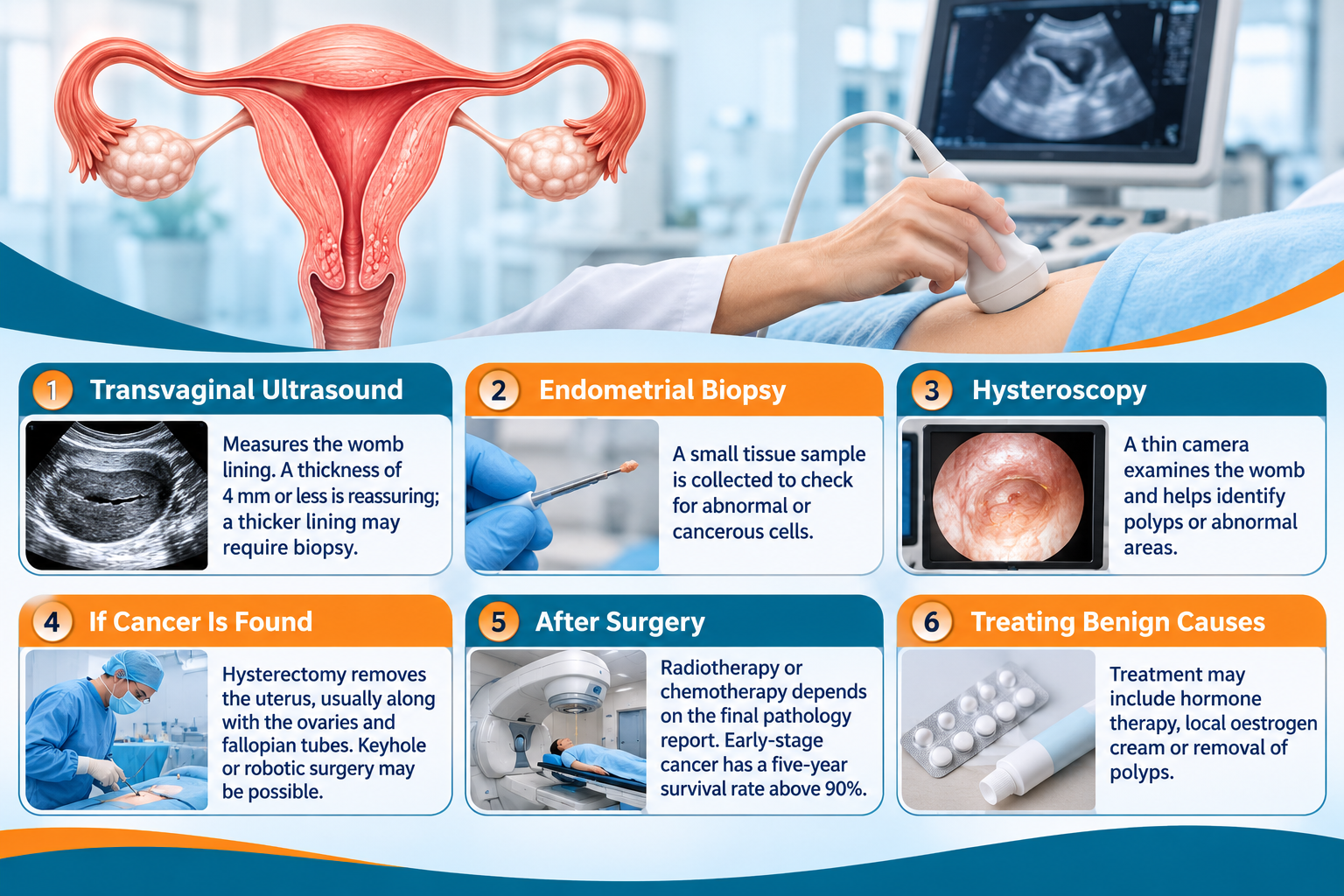
- Transvaginal ultrasound. It is used to measure the womb lining. A lining of 4mm or less is reassuring, thicker will require a tissue sample.
- Endometrial biopsy. In the clinic, a small piece of the lining is removed. In most women, the scan is combined with a biopsy as recent guidance has recommended this, as the scan can miss some cancers.
- Hysteroscopy. The thin camera is inserted into the womb to look and take tissue samples from polyps and abnormal areas, particularly if a biopsy has not provided a clear diagnosis or if bleeding recurs.
- If cancer is found. A hysterectomy is performed, and the tubes and ovaries are removed, as well as a review of the lymph nodes. It can be performed in many patients using keyhole surgery or the ‘cancer surgery robot’ procedure.
- After surgery. Radiotherapy and chemotherapy is determined by the final pathology report. Surgery is generally successful in treating cancer that is limited to the womb; five-year survival is greater than 90 percent.
- Benign causes. They are treated with hormone therapy, local oestrogen cream for atrophy and/or removal of the polyp.
Is Uterine Cancer The Cause Of Post-Menopausal Bleeding?
It is determined by four factors.
The thickness and the texture of lining. A thin lining is low risk, but not a cancer-proof lining—particularly the more uncommon and malignant varieties. Thick or thin—bleeding that does not stop or recedes should have a tissue sample.
The biopsy result. An atrophy or polyp is harmless. Hormones are typically used to treat hyperplasia (without atypia), surgery is indicated for atypical hyperplasia or cancer.
Risk factors and age. Biopsies are more likely to be performed on women older than 60, as well as women with obesity, diabetes, tamoxifen use or Lynch syndrome.
If the bleeding recurs. One light period with a low-risk woman is dealt with differently than multiple bleeding periods..
Frequently Asked Questions
Is any bleeding after menopause a symptom of uterine cancer?
No, it’s not a sign of uterine cancer, just about 1 in 10 women who have it do, but it should be checked as the cause can’t be determined without tests.
How much does it cost to see a doctor How much does it cost to see a doctor about postmenopausal bleeding?about postmenopausal bleeding?
Once noticed it should be treated at once, even if it is light spotting and only a single occurrence.
What tests are performed for post menopausal bleeding?
Typically, a transvaginal ultrasound and an endometrial biopsy are performed, and if necessary, a hysteroscopy.
Can early diagnosis of uterine cancer be cured?
True, most are discovered early due to the bleeding, and successfully treated with surgery.
References
- Health Service Executive, Ireland (Government). Assessment and Management of Postmenopausal Bleeding. https://www.hse.ie/eng/about/who/acute-hospitals-division/woman-infants/clinical-guidelines/assessment-and-management-of-postmenopausal-bleeding.pdf
National clinical guideline on tests and referral for bleeding after menopause. - National Cancer Institute (U.S. Government). Endometrial Cancer Treatment (PDQ), Patient Version. https://www.cancer.gov/types/uterine/patient/endometrial-treatment-pdq
Explains risk factors, symptoms, staging and treatment of endometrial cancer.
Disclaimer: The information shared in this content is for educational purposes only and not for promotional use. It is not a substitute for consultation with a qualified doctor.
