
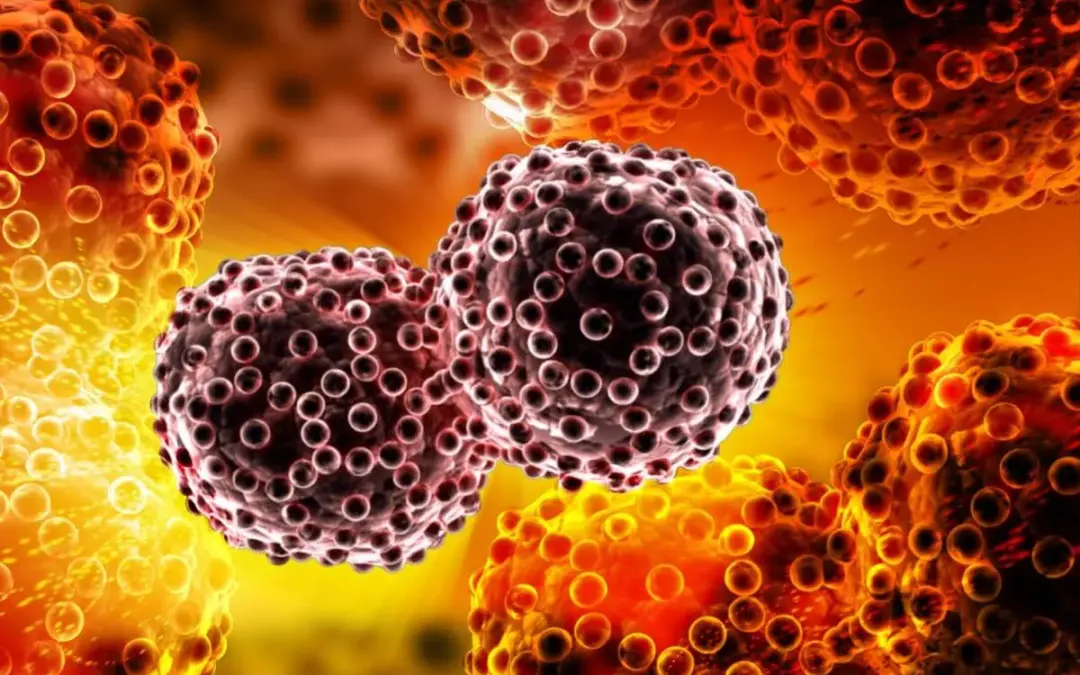
Yes, some viruses cause cancer. They account for about 15 to 20 percent of all cancers worldwide. The WHO has classified seven viruses as oncogenic, and they include HPV, hepatitis B and C, EBV, HTLV-1, KSHV and HIV. None of them cause cancer the day they enter the body. They set up chronic infection first, then trigger cellular changes that show up as cancer 15 to 40 years later. Vaccines and timely treatment stop most of these in their tracks.
According to Prof. Dr. Sandeep Nayak, Surgical Oncologist in India, “Virus linked cancers are among the most preventable cancers in modern medicine, because we already have vaccines or effective treatments for the major ones. The challenge is awareness, most patients don’t realise that HPV vaccination or hepatitis B screening today protects them from cervical or liver cancer decades later.”
Some cancers can be stopped before they ever start.
Which Viruses Cause Cancer and How?
Seven viruses make the WHO carcinogenic list. Each one works a different way.
- HPV virus: Human papillomavirus causes most cervical cancers. It’s also behind anal, throat, mouth and penile cancers. HPV vaccines prevent over 90 percent of these.
- Hepatitis B and C: Both viruses cause long term liver inflammation. Over years, that inflammation pushes the liver toward cancer. HBV has a vaccine. HCV now has cure level treatment.
- EBV virus: Epstein Barr virus is linked to nasopharyngeal cancer, certain lymphomas and a small share of stomach cancers. Almost everyone carries EBV. Cancer is the rare exception, not the rule.
- HTLV and KSHV: HTLV-1 leads to a specific adult T cell leukaemia. KSHV is behind Kaposi sarcoma. Both are rare in India but matter where they occur.
For patients diagnosed with virus linked cancers, robotic cancer surgery brings precise removal of tumours like cervical, liver, throat and head and neck cancers.
How Can You Prevent Virus Linked Cancers?
Prevention is genuinely possible for most of these. The tools already exist.
- HPV vaccine: Vaccination between ages 9 and 26 prevents cervical and oropharyngeal cancers decades later. Available for boys and girls. Three doses or two, depending on age.
- Hep B vaccine: Hepatitis B vaccination is part of routine childhood immunisation in India. It directly prevents one of the biggest causes of liver cancer worldwide.
- Hep C treatment: Modern antivirals cure over 95 percent of HCV patients in 8 to 12 weeks. Catch it early and liver cancer never happens.
- Safe practices: Safe sex, no shared needles, screened blood transfusions, routine virus checks. All of these cut exposure to oncogenic viruses meaningfully.
For patients curious about how virus links and cancer transmission sometimes get confused, our blog on whether cancer is a communicable disease clears up the misconception.
Why Choose Dr. Sandeep Nayak for Your Cancer Care?
Dr. Sandeep Nayak has spent 24 years in surgical oncology. He holds DNB qualifications in Surgical Oncology and General Surgery and trained further with a fellowship in Laparoscopic and Robotic Onco Surgery. He treats virus linked cancers including cervical, oropharyngeal, liver and head and neck cancers, and counsels patients and families on vaccination and screening to prevent these cancers in the next generation.
That prevention focused approach is what shifts oncology from treating advanced disease to stopping it altogether. Every case at MACS Clinic goes through tumour board review, where the treatment plan is set together. Call +91 8104310753 to book your consultation.
Frequently Asked Questions
Can viruses cause cancer?
Yes, about 15 to 20 percent of cancers worldwide are virus linked.
Which viruses cause cancer?
HPV, hepatitis B and C, EBV, HTLV-1, KSHV and HIV mainly.
Can vaccines prevent virus linked cancers?
Yes, HPV and hepatitis B vaccines prevent many of these cancers.
How long after virus does cancer appear?
Often 15 to 40 years after the initial chronic infection.
Disclaimer: This blog is for informational purposes only and is not a substitute for professional medical advice.
