
Thyroid conditions are common. Goiters, nodules, and thyroid cancers affect millions, and women face them far more often than men. Many people live with a swelling in the neck for years before deciding to act. When medication and monitoring stop working, surgery becomes the next step. The conventional route is open surgery, which leaves a permanent line across the front of the neck. Robotic thyroid surgery offers an alternative approach, removing the gland through a hidden incision while providing the surgeon with a magnified 3D view of the nerves, glands, and vessels surrounding it.
According to Dr. Sandeep Nayak, a distinguished oncologist in India, renowned for his proficiency in thyroid surgery in Bangalore:
“Patients no longer have to trade a healthy thyroid result for a scar they will see every morning. The robot lets us reach the gland from the armpit, so the neck stays untouched. That single change shifts how people feel about saying yes to surgery.”
When it comes to thyroid surgery, expertise decides the outcome. Dr. Sandeep Nayak is a leading surgical oncologist in Bangalore, India, with over 24 years of experience, including 15 years focused on robotic and laparoscopic cancer surgery. He pioneered RABIT (Robotic-Assisted Breast-Axillo Insufflated Thyroidectomy), a scarless thyroidectomy technique that earned him the K. Subhramanyam Robotic Innovation Award. He has performed thousands of thyroid procedures using the da Vinci robotic system, making him one of the most trusted names for advanced thyroid care in the country.
In this blog, we’ll discuss the five key reasons patients are increasingly choosing this approach over traditional surgery.
What is Robotic Thyroid Surgery?
Robotic thyroid surgery removes part or all of the thyroid gland using a robotic surgical system controlled by the surgeon. Instead of cutting the neck, the surgeon makes a small, concealed incision in the armpit or behind the ear. Through this, robotic arms carrying a high-definition 3D camera and tiny instruments reach the thyroid.
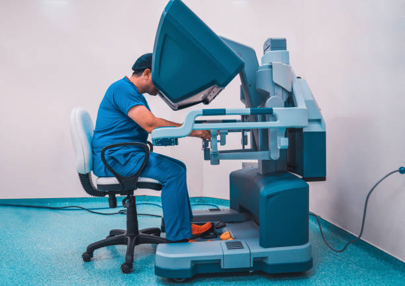
The surgeon sits at a console and guides every movement. The robot translates hand motions into precise, scaled-down actions inside the body. It suits both benign thyroid nodules and thyroid cancer cases.
Wondering if a scarless option could work for you? Get clear answers from a specialist.
What makes robotic thyroid surgery the preferred choice for so many patients today? Let’s explore the 5 key reasons that are driving this shift.
1. Minimal or No Visible Neck Scar
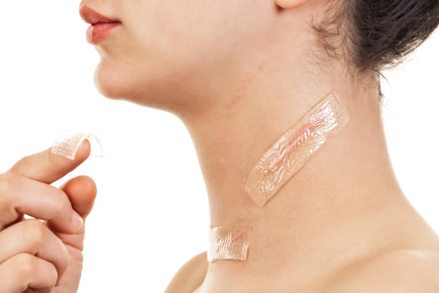
This is the reason most patients walk through the door. Open thyroid surgery leaves a permanent line across the lower neck. For young patients, brides, public-facing professionals, anyone, that mark carries weight. Robotic surgery hides the incision in the armpit fold or natural skin creases. Months later, it is hard to spot. The neck looks completely normal. People who delayed surgery for years often agree once they learn that the concern about the scar disappears.
2. Improved Nerve Protection
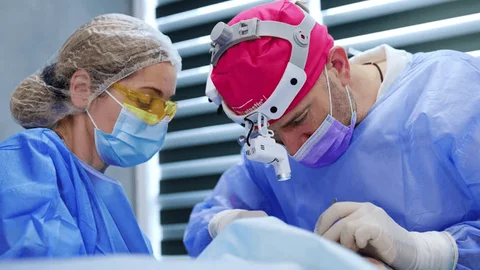
The recurrent laryngeal nerve runs right beside the thyroid. Damage it, and the patient’s voice changes, sometimes permanently. The robotic camera magnifies this nerve many times over, far beyond what the naked eye sees in open surgery. Better vision means the surgeon can identify the nerve early and work around it with confidence. Voice preservation rates improve. For singers, teachers, and anyone whose work depends on their voice, this matters as much as the scar.
3. Better Preservation of Parathyroid Glands
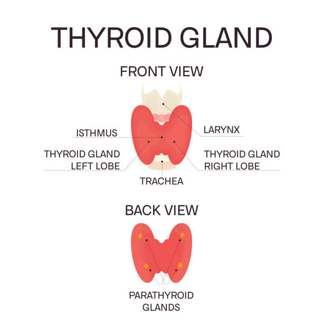
Four tiny parathyroid glands sit close to the thyroid. They control calcium levels in the blood. Accidentally remove or injure them, and the patient deals with low calcium, cramps, tingling, and long-term supplements. These glands are small and easy to miss. The robot’s magnified, well-lit view helps the surgeon spot and protect the tumor and its blood supply. The result is fewer calcium problems after surgery and a smoother recovery.
4. Tremor Filtration for Enhanced Precision
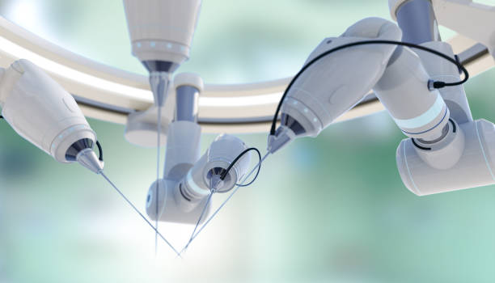
Even the steadiest human hand has a slight natural tremor. Near nerves and glands, measured in millimeters, that tremor is a risk. The robotic system filters it out completely. Every movement the surgeon makes is smoothed and scaled down before the instruments respond. This steadiness allows clean dissection in tight spaces around the windpipe and major vessels. Precision like this is hard to match with conventional tools, which is why this approach has become a benchmark for thyroid surgery at MACS Clinic in Bangalore.
5. Faster Recovery and Improved Quality of Life
Smaller, hidden incisions mean less tissue trauma. Patients report less pain, shorter hospital stays, and a quicker return to daily routines. No tight, visible neck scar also means easier movement and no constant reminder of the operation. Many people go back to work and normal life within days. The combination of physical comfort and emotional ease is what patients describe long after surgery.
Conclusion
Robotic thyroid surgery brings together everything patients quietly hope for: no visible scar, protection of nerves and parathyroids, surgeon-level precision, and faster recovery. It is not about technology for its own sake. It is about better outcomes and a life that looks and feels normal afterward. For anyone considering robotic thyroid surgery in Bangalore, consulting an experienced robotic surgeon like Dr. Sandeep Nayak can make all the difference.
A smoother recovery starts with expert care. Plan your treatment journey with a professional.
Frequently Asked Questions
1. Is robotic thyroid surgery safe?
Yes. In trained hands, it is very safe, with magnified vision improving precision and lowering complication rates compared to open surgery.
2. Does robotic thyroid surgery leave any scar on the neck?
No. The incision is hidden in the armpit or behind the ear, so the neck stays free of any visible scar.
3. Who is a good candidate for Robotic Thyroid Surgery?
Most patients with benign nodules, goitres, and selected thyroid cancers qualify. Your surgeon decides after examining your reports.
4. Will I need thyroid medication after surgery?
If the entire gland is removed, lifelong thyroid hormone replacement is required. Partial removal may not require them.
5. Will my voice be affected after surgery?
The robotic magnified view helps protect the voice nerve, so voice preservation rates are high in the hands of experienced surgeons.
Disclaimer: The information shared in this content is for educational purposes and not for promotional use.
