
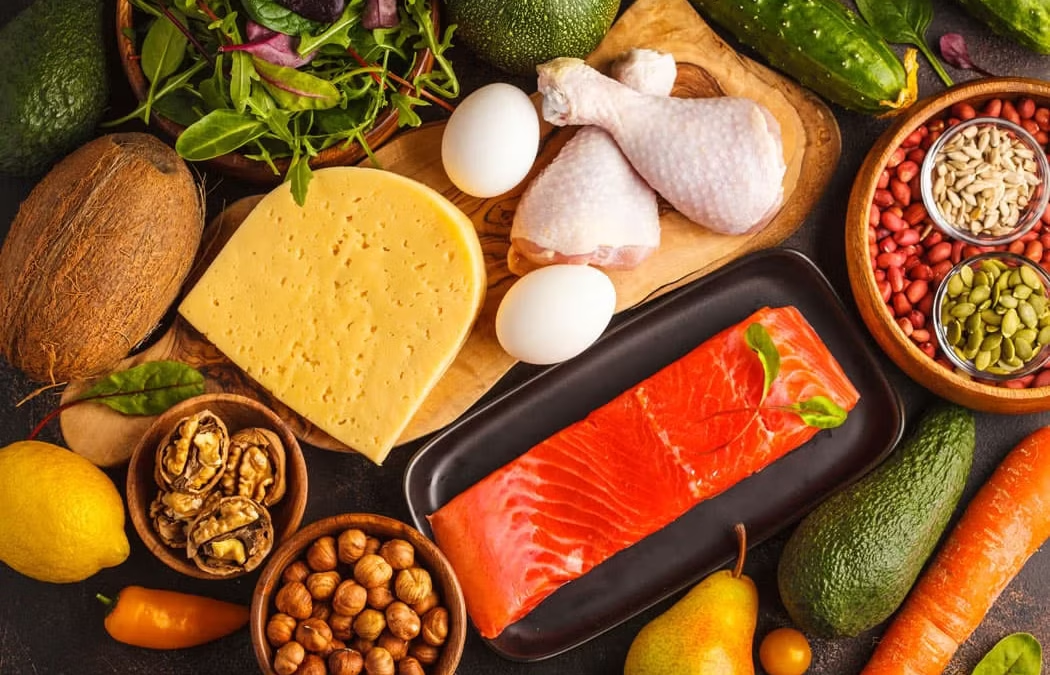
Most cancer patients can still eat non vegetarian food during treatment, with lean fish, chicken and eggs being the main protein sources oncologists recommend. The real limits sit elsewhere, on processed meats, excess red meat and raw or undercooked items. Stopping all non veg outright? That’s a cultural habit, not an evidence based oncology rule.
According to Prof. Dr. Sandeep Nayak, Surgical Oncologist in India, “Cancer patients on treatment have higher protein needs, not lower. Cutting out non vegetarian food often makes recovery harder because plant protein alone struggles to meet what most patients need through surgery, chemo or radiation. Eggs, fish and chicken remain part of standard oncology nutrition advice unless there’s a specific medical reason to restrict them.”
The category matters less. The specific choice within it matters more.
Why Is Protein Important During Cancer Treatment?
Cancer pushes the body’s protein demands up. Choosing the right sources helps it cope.
- Muscle preservation: Treatment breaks muscle down faster than usual. The right amount of protein, particularly from animal sources, slows that loss and keeps the patient stronger through chemo cycles.
- Wound healing: Surgery means tissue repair. The body uses amino acids to rebuild. Eggs, fish and chicken bring the full set of amino acids in one source. Plants usually don’t.
- Immune support: Chemo lowers immunity between cycles. Lean protein helps the immune system rebuild. The body fights infection better when it’s getting what it needs.
- Energy balance: Patients on plant only diets can lose weight quickly, sometimes edging into cachexia. Animal protein packs dense calories that vegetarian sources struggle to deliver.
For patients recovering from cancer surgery, robotic cancer surgery supports faster healing, but nutrition during recovery is what carries the patient through the longer term.
What Non Vegetarian Food Should Cancer Patients Eat or Avoid?
The food category itself isn’t the issue. The specific items inside it are.
- Recommended: Eggs. Fresh fish. Skinless chicken. Low fat dairy. Well cooked, properly hygienic, moderate portions. These are the working foods of cancer recovery.
- Limit intake: Red meat like mutton and beef. Once or twice a week, no more. Strong evidence ties excess red meat to colorectal cancer risk.
- Avoid entirely: Processed meats. Sausages, salami, bacon, ham. WHO classifies these as Group 1 carcinogens, sitting in the same category as tobacco. Not worth the risk during cancer.
- Skip raw items: Sushi, raw eggs, soft cheeses, undercooked meat. Chemo lowers immunity, so food borne infection risk shoots up. Cook everything through.
For a fuller look at structuring overall diet during cancer treatment, our blog on choosing the most suitable diet for cancer patients covers it in detail.
Why Choose Dr. Sandeep Nayak for Your Cancer Care?
Dr. Sandeep Nayak has spent 24 years in surgical oncology. He holds DNB qualifications in Surgical Oncology and General Surgery, plus a fellowship in Laparoscopic and Robotic Onco Surgery. He counsels patients and families on evidence based nutrition through cancer treatment, working with dietitians where specific dietary conditions need closer attention.
Every case at MACS Clinic is reviewed by the multidisciplinary tumour board before treatment planning. Call +91 8104310753 to book your consultation.
Frequently Asked Questions
Can cancer patients eat non vegetarian food?
Yes, lean fish, chicken and eggs are encouraged for protein.
Which non veg should be avoided?
Processed meats, red meat in excess, and raw or undercooked items.
Is fish safe during chemotherapy?
Yes, well cooked fish is safe and helpful for muscle recovery.
Why do families ask patients to go vegetarian?
Tradition and myths, not evidence based oncology guidelines actually.
Disclaimer: This blog is for informational purposes only and is not a substitute for professional medical advice.
