
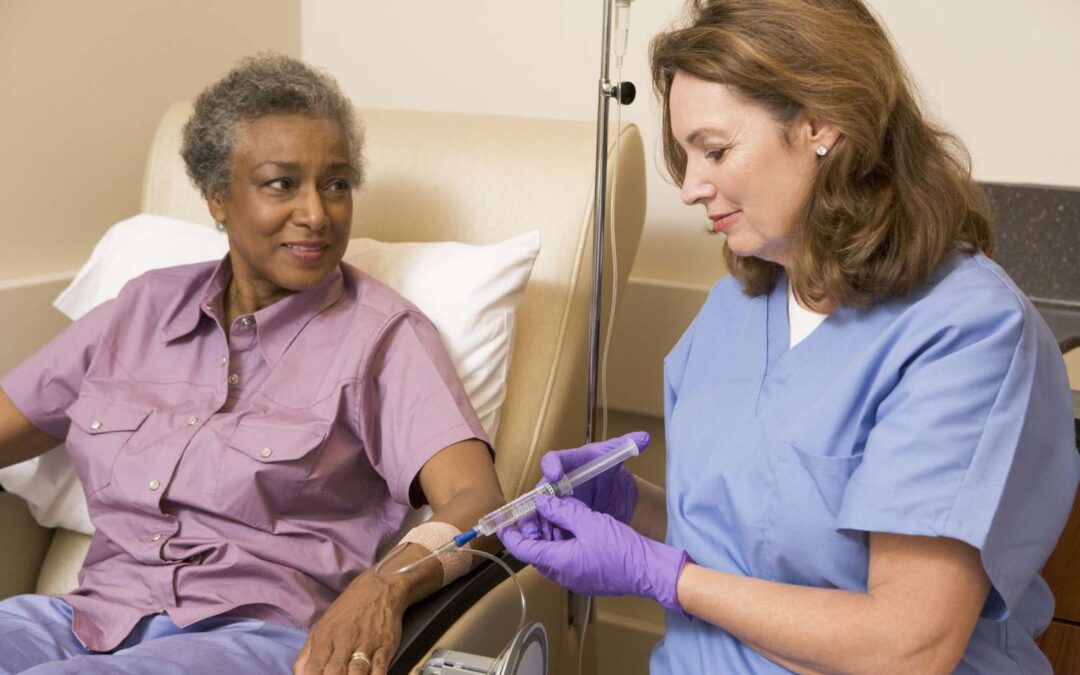
Adjuvant therapy is everything that happens after surgery to stop the cancer coming back. The tumour is out. The margins may be clear. But microscopic cells too small for any scan to catch can still sit in lymph nodes, tissue or circulation. Adjuvant therapy, whether that’s chemo, radiation, hormone therapy or targeted drugs, is what goes after those cells. Surgery removes what the eye can see. Adjuvant therapy deals with what it can’t.
According to Prof. Dr. Sandeep Nayak, Surgical Oncologist in India, “Surgery removes the tumour you can see and the margins around it. But cancer doesn’t always confine itself neatly to what’s visible. Microscopic cells can sit in lymph nodes, surrounding tissue or circulation before surgery even starts. Adjuvant therapy is what we give to deal with that residual risk, and the decision is never one doctor’s call. It goes to the tumour board.”
Surgery is the start. Adjuvant therapy is what protects the result.
What Types of Adjuvant Therapy Exist After Surgery?
Several options. Different cancers need different combinations.
- Chemotherapy: Drugs go everywhere. The whole body. That’s the point. Microscopic cells hiding anywhere get targeted, not just at the surgery site. Given in cycles. Usually 4 to 8, depending on cancer type and stage.
- Radiation: Targeted, not systemic. Hits a defined area, usually the surgical bed or regional lymph nodes. Lumpectomy patients almost always need it. Some mastectomy patients too, depending on nodal status and margins.
- Hormone therapy: For cancers driven by oestrogen or testosterone. Breast and prostate mainly. Tamoxifen. Aromatase inhibitors. Doesn’t run for months. Runs for 5 to 10 years, because late recurrence is the real risk in these cancers.
- Targeted therapy and immunotherapy: Specific to cancer biology. HER2 positive breast, certain lung and colorectal subtypes, melanoma. More precise than chemo. Side effect profile is different, often gentler, though not always.
For patients who need a second surgical step as part of their plan, like re-excision before starting adjuvant treatment, robotic cancer surgery keeps recovery fast and gets patients to adjuvant therapy sooner.
Who Needs Adjuvant Therapy and Who Doesn't?
Not everyone. The risk calculation decides.
- Stage and spread: Positive lymph nodes, close or positive margins, later stage disease all push the calculation toward adjuvant therapy. The higher the recurrence risk, the clearer the benefit.
- Tumour biology: Grade, hormone receptor status, HER2 status, genomic tests like Oncotype DX for breast cancer. Aggressive biology pushes toward adjuvant. Favourable biology sometimes means patients can skip it safely.
- Tumour board decides: Not one doctor’s call. Surgical oncologist, medical oncologist, radiation oncologist and pathologist all review the case together. The recommendation comes out of that conversation.
- Patient factors: Age, fitness, other health conditions, personal preference. Adjuvant therapy always has side effects. That trade off is part of the discussion, not an afterthought.
For a deeper look at how chemotherapy fits into cancer treatment at each stage, our blog on cancer chemotherapy explains the decision framework clearly.
Why Choose Dr. Sandeep Nayak for Your Cancer Care?
Dr. Sandeep Nayak has spent 24 years in surgical oncology. He holds DNB qualifications in Surgical Oncology and General Surgery, plus a fellowship in Laparoscopic and Robotic Onco Surgery. He builds adjuvant therapy into the conversation before surgery starts, not as a surprise afterwards, so patients go into the operation knowing what the full plan looks like.
Every case at MACS Clinic is reviewed by the multidisciplinary tumour board before treatment planning. Call +91 8104310753 to book your consultation.
Frequently Asked Questions
What is adjuvant therapy in cancer?
Treatment given after surgery to destroy residual cancer cells.
Why is adjuvant therapy needed?
Surgery removes visible cancer but microscopic cells can remain undetected.
How long does adjuvant therapy last?
Weeks to years depending on cancer type and the treatment used.
Does everyone need adjuvant therapy?
No, it depends on stage, grade, margins and recurrence risk.
Disclaimer: This blog is for informational purposes only and is not a substitute for professional medical advice.
