
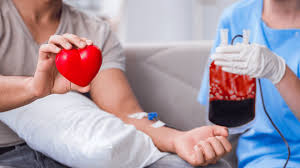
Many cancer survivors can donate blood, but not all. The answer splits cleanly by cancer type. Solid tumour survivors of breast, colon, lung, thyroid, and stomach can generally donate 12 months after treatment ends, provided remission is confirmed. Blood cancer survivors cannot. Leukaemia, lymphoma and myeloma permanently disqualify a donor. During active treatment, nobody donates. That window stays closed until the cancer is gone.
According to Prof. Dr. Sandeep Nayak, Surgical Oncologist in India, “Cancer survivors who want to donate blood are making a generous choice, and most solid tumour survivors can do exactly that after the right waiting period. The 12-month gap exists to confirm remission, not to punish the survivor. Blood cancers are a different matter entirely because the disease affects the blood itself, and that’s a permanent exclusion.”
Finished treatment and want to give back? Here’s what you need to know first.
Who Can and Who Cannot Donate Blood After Cancer?
The split comes down to where the cancer originated.
- Solid tumour survivors: Breast, colon, colorectal, lung, thyroid, stomach, cervical and prostate cancer survivors are generally eligible 12 months after completing treatment with no signs of recurrence. The blood itself wasn’t the problem.
- Blood cancer survivors: Leukaemia, lymphoma, multiple myeloma. Permanently ineligible. These cancers originate in blood cells and bone marrow, and that changes the donation equation entirely. No waiting period fixes it.
- Low risk skin cancers: Basal cell and squamous cell carcinoma survivors can donate once the cancer is removed and the wound healed. No 12-month wait needed for these.
- During treatment: No. Not during chemotherapy. Not during radiation. Not on hormone therapy. Any active cancer treatment closes the donation window completely.
For patients who receive blood products as part of their own cancer treatment, robotic cancer surgery reduces intraoperative blood loss, often lowering the need for transfusions during and after surgery.
Common Questions Cancer Survivors Have About Blood Donation
The fears and the facts, side by side.
- Can cancer spread through blood donation? No confirmed cases exist worldwide. Studies consistently show solid tumour cells don’t survive transfusion conditions. The 12-month wait is about confirming the donor’s own health, not protecting the recipient from cancer transmission.
- What if my blood still has chemo drugs? Drug clearance happens well before the 12-month waiting period ends. By the time a survivor is eligible to donate, chemotherapy residues aren’t a concern.
- Will the blood bank know? Yes. Every donor fills a detailed medical history form. Being honest matters, not just for the recipient’s safety but for the donor’s own health. Donation after recent treatment can strain a recovering body.
- What if I want to donate but can’t? Encourage family or friends to donate in your name. Register as a bone marrow donor if eligible. Donate to cancer care organisations. Giving back takes more than one form.
For patients curious about why cancer doesn’t spread person to person through blood contact or casual exposure, our blog on whether cancer is a cancer communicable disease addresses this question directly.
Why Choose Dr. Sandeep Nayak for Your Cancer Care?
Dr. Sandeep Nayak has spent 24 years in surgical oncology. He holds DNB qualifications in Surgical Oncology and General Surgery, plus a fellowship in Laparoscopic and Robotic Onco Surgery. He guides cancer survivors through survivorship decisions including what the recovery period means for everyday life choices, working closely with medical oncologists to give patients the clearest possible picture of where they stand.
Every case at MACS Clinic is reviewed by the multidisciplinary tumour board before treatment planning. Call +91 8104310753 to book your consultation.
Frequently Asked Questions
Can cancer survivors donate blood?
Most solid tumour survivors can after 12 months in confirmed remission.
Can blood cancer survivors donate blood?
No, leukaemia, lymphoma and myeloma survivors are permanently ineligible.
Can cancer spread through blood donation?
No reported cases of cancer spreading through blood transfusion exist.
Can you donate blood during cancer treatment?
No, donation is not allowed during active cancer treatment.
Disclaimer: This blog is for informational purposes only and is not a substitute for professional medical advice.
