
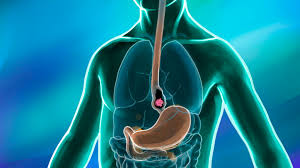
For locally advanced esophageal cancer, chemo isn’t just given before surgery. It’s given to make surgery possible. The standard approach for operable esophageal cancer is neoadjuvant chemoradiotherapy first, then esophagectomy 6 to 12 weeks later. Chemo shrinks the tumour, downgrades the stage, clears microscopic spread, and turns an operation that couldn’t be done safely into one that can. The operability question gets reassessed after chemo, not decided before it.
According to Prof. Dr. Sandeep Nayak, Surgical Oncologist in India, “Neoadjuvant chemoradiotherapy before esophagectomy isn’t a delay in treatment. It is the treatment. We’re not waiting to see what happens. We’re actively shrinking the tumour, clearing the margins, improving the chances that the operation will achieve what we need it to achieve. The surgery after chemo is often a better, cleaner operation than surgery without it would have been.”
Chemo before esophageal surgery isn’t a detour. It’s part of the plan.
How Does Chemo Make Esophageal Cancer More Operable?
Several things shift during the neoadjuvant window. All of them matter.
- Tumour downstaging: Chemoradiotherapy shrinks the primary tumour and reduces lymph node involvement. A T3 tumour invading adjacent tissue can become a T2 confined to the oesophageal wall. That changes the operation entirely.
- Margin improvement: Smaller tumour means the surgeon has more room to achieve R0 resection, clear margins all round. Positive margins in oesophageal surgery are a major driver of recurrence.
- Pathological complete response: Around 25 to 30 percent of patients who complete neoadjuvant chemoradiotherapy show no remaining cancer on the surgical specimen. No viable cells at all. Surgery still usually goes ahead to confirm it.
- Fitness window: The 6 to 12 week gap between finishing chemoradiotherapy and operating also gives the patient time to recover nutritionally and physically. Oesophagectomy is a major operation. Going in stronger improves outcomes.
For patients whose oesophageal cancer requires minimally invasive resection, robotic cancer surgery brings thoracoscopic and laparoscopic precision to oesophagectomy, reducing blood loss and recovery time compared to open surgery.
What Determines Operability After Chemo Is Completed?
Re-staging drives the decision. Several assessments run together.
- PET-CT re-staging: Shows metabolic activity in the tumour and lymph nodes after chemo. Significant reduction in uptake signals good response. Persistent high uptake raises the question of whether surgery is still the right next step.
- CT scan reassessment: Measures change in tumour size, local invasion and lymph node status. Compared directly against the pre-chemo staging scans to quantify response.
- Endoscopy and biopsy: Visual assessment of the oesophagus after chemoradiotherapy, with biopsies to check for residual cancer in the mucosa. Helps the surgeon plan the extent of resection.
- Patient fitness reassessment: Pulmonary function, nutritional status, weight, performance score all get reviewed before the surgical date is confirmed. Chemo takes a toll. Not everyone bounces back at the same rate.
For patients wanting to understand overall prognosis and what treatment response means for long-term outcomes, our blog on whether esophageal cancer curable covers the honest picture across stages.
Why Choose Dr. Sandeep Nayak for Esophageal Cancer Surgery?
Dr. Sandeep Nayak has spent 24 years in surgical oncology. He holds DNB qualifications in Surgical Oncology and General Surgery, plus a fellowship in Laparoscopic and Robotic Onco Surgery. He performs minimally invasive oesophagectomy using thoracoscopic and laparoscopic approaches, coordinates the neoadjuvant chemoradiotherapy plan with medical and radiation oncology, and re-stages every patient before confirming the surgical date. Every oesophageal cancer case goes through tumour board review before treatment begins.
That end-to-end coordination from neoadjuvant planning through to surgical recovery is what gives oesophageal cancer patients the best chance at an R0 resection and the strongest recovery from one of oncology’s most demanding operations. Call +91 8104310753 to book your consultation.
Frequently Asked Questions
Is esophageal cancer operable after chemo?
Yes, neoadjuvant chemo is specifically given to make esophagectomy safer.
How long after chemo is esophageal surgery done?
Usually 6 to 12 weeks after completing chemoradiotherapy.
What if cancer disappears completely after chemo?
Surgery is still usually recommended as residual cells may remain.
Who assesses operability after chemo?
PET-CT, CT scan, endoscopy and the multidisciplinary tumour board together.
Disclaimer: This blog is for informational purposes only and is not a substitute for professional medical advice.
