
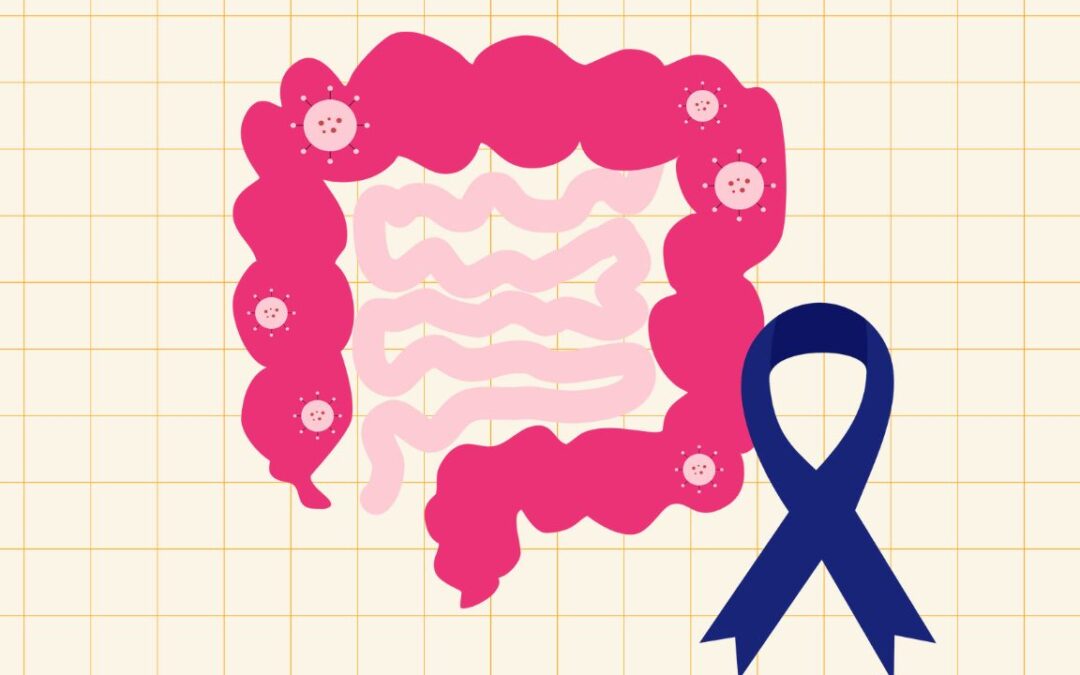
Colorectal cancer has traditionally been considered a disease of people above 50. That picture is changing. Indian data from tertiary cancer centres shows a rising proportion of cases in patients under 40. Some studies put that figure at 10 to 15 percent. In Western registries it’s under 5. The shift is real, the drivers are known, and the delay in diagnosis is the part that’s doing the most damage.
According to Prof. Dr. Sandeep Nayak, Surgical Oncologist in India, “I see young patients with colorectal cancer regularly now. People in their 30s who spent six months being told it was acidity or piles before anyone did a colonoscopy. The biology in young Indian patients is often more aggressive too, higher grade, more mucinous, presenting at a later stage simply because no one thought to investigate early. That has to change.”
Colorectal cancer doesn’t check your age. Symptoms in young adults need investigation, not reassurance.
Why Is Colorectal Cancer Rising in Younger Indians?
The causes aren’t mysterious. They’re sitting on every dinner table and in every office chair.
- Ultra-processed food and low fibre intake: Traditional Indian diets carried fibre from lentils, vegetables and whole grains. Urban diets swapped that out for packaged, processed and fast food. Less fibre means slower bowel transit. Slower transit means longer carcinogen contact with the colonic wall. That’s the mechanism. It’s not complicated.
- Sedentary lifestyle and obesity: Central obesity and physical inactivity both raise colorectal cancer risk on their own. Put them together in a desk-bound 35-year-old with a rising BMI and the risk compounds. Indian urban data tracks this exactly.
- Smoking and alcohol: Independent risk factors, both. Rates among Indian men under 40 have climbed. Cancer biology in smokers runs more aggressive. Presentation tends to be later stage. Two bad combinations in one.
- Genetic factors underdiagnosed: Lynch syndrome and familial adenomatous polyposis drive early-onset colorectal cancer. Both run in families. Most young Indian patients never get tested. The hereditary proportion of early-onset cases is significant. Finding it changes the surgical plan. It also means siblings and children carry the same risk and need to know.
For patients at high risk who need surgical treatment, robotic cancer surgery delivers precision colorectal resection with faster recovery than open surgery.
What Should Young Indians Know and Do?
The gap is not information. It’s action.
- Don’t dismiss rectal bleeding: In India, bleeding is almost automatically called piles. Piles are common. Cancer is not rare either. A colonoscopy takes 30 minutes. When bleeding persists, that 30 minutes is not optional.
- Screen earlier with family history: Average risk? Start at 40. First-degree relative with colorectal cancer? Start at 40 or 10 years before their diagnosis age, whichever comes first. That rule exists because hereditary colorectal cancer runs ahead of the standard screening age.
- Lynch syndrome warrants genetic counselling: Colorectal cancer under 50 combined with family history of bowel, uterine or ovarian cancer. That pattern needs a genetics referral. Finding Lynch syndrome changes surgical planning. More importantly, it tells siblings and children they’re at risk before they get sick.
- Change the diet before symptoms appear: More fibre. Less processed meat. Less red meat. Move more. Stay in a healthy weight range. None of this eliminates risk completely. But it shifts the odds, and starting at 30 shifts them more than starting at 50.
For a practical breakdown of what early colorectal symptoms actually look like and when they need investigation, our blog on early detection rectal cancer covers the warning signs in detail.
Why Choose Dr. Sandeep Nayak for Colorectal Cancer Treatment?
Dr. Sandeep Nayak has spent 24 years in surgical oncology. He holds DNB qualifications in Surgical Oncology and General Surgery, plus a fellowship in Laparoscopic and Robotic Onco Surgery. He performs robotic and laparoscopic colorectal cancer surgery including intersphincteric resection for low rectal cancers, integrates genetic risk assessment into the young patient consultation, and presents every colorectal cancer case to the tumour board before the surgical plan is confirmed.
Young patients with colorectal cancer deserve surgical precision, but they also deserve a conversation about genetic risk, fertility implications of pelvic surgery and long-term quality of life. That conversation happens at MACS Clinic before the operation, not after it. Call +91 8104310753 to book your consultation.
Frequently Asked Questions
Is colorectal cancer rising in young Indians?
Yes, incidence in Indians under 50 has been increasing steadily over the past decade.
What age should Indians start colorectal cancer screening?
At 40 for average risk, earlier if there is family history or symptoms.
What lifestyle factors are driving colorectal cancer in young Indians?
Processed food, low fibre diet, sedentary lifestyle, obesity and smoking.
Why is colorectal cancer in young Indians often diagnosed late?
Symptoms are dismissed as acidity or piles, delaying investigation by months.
References:
- National Institutes of Health — The Increase of Early-Onset Colorectal Cancer: https://pmc.ncbi.nlm.nih.gov/articles/PMC12966572/
- PubMed Central — Focusing on Colorectal Cancer in Young Adults (Review): https://pmc.ncbi.nlm.nih.gov/articles/PMC10729308/
Disclaimer: This content is for general awareness about the rising incidence of colorectal cancer in younger adults. It is not a substitute for a clinical consultation, colonoscopy recommendation or personalised cancer screening advice. If you or a family member have symptoms or a family history of colorectal cancer, consult a surgical oncologist for a proper evaluation.
