
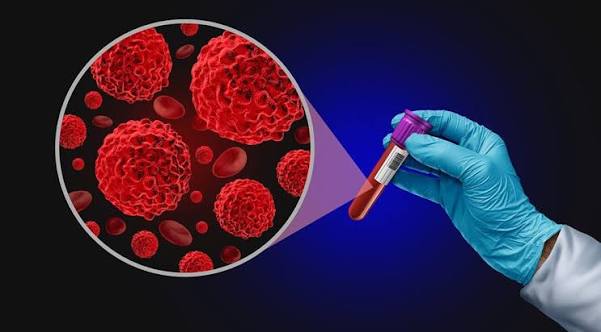
A liquid biopsy is a blood test that looks for traces of cancer in the bloodstream. Tumours shed DNA fragments and whole cells into the blood, and this test picks them up from a simple sample. No needle into the tumour, no tissue removed. It reads what the cancer leaves behind in circulation.
According to Dr. Sandeep Nayak, Surgical Oncologist in India, “A liquid biopsy doesn’t replace the tissue biopsy, it adds to it. When tissue is hard to reach or we need to track how a cancer is behaving over time, a blood draw tells us things a one off sample can’t. It’s most useful for watching treatment response and catching resistance early. The tumour shows its hand in the blood.”
Curious whether this test fits your case?
What Does a Liquid Biopsy Look For?
The test hunts for tumour material that’s broken loose and entered the blood.
- Tumour DNA : Cancers shed fragments of their DNA, called ctDNA. The test reads these for mutations that name the cancer.
- Whole cells : Circulating tumour cells break off the primary tumour and float in the blood. Rare, but telling when found.
- Other traces : Bits of RNA and tiny vesicles carry tumour signals too. They add to the picture the blood paints.
- Real time reads : Because it’s just a blood draw, it can be repeated. That turns a snapshot into something closer to a live feed.
It’s one part of a broader workup, and modern robotic cancer surgery is planned alongside this kind of molecular detail when it’s available.
How Is It Different From a Tissue Biopsy?
Both find cancer, but they work in opposite ways and answer different questions.
- No needle in the tumour : A tissue biopsy takes a physical sample. A liquid biopsy needs only blood, so it’s far less invasive.
- The whole picture : One tissue sample reads a single spot. Blood catches material from multiple tumour sites at once.
- Repeatable : You can’t keep cutting samples out. But you can draw blood again and again to watch how things shift.
- Still not the gold standard : Tissue remains the way most cancers get confirmed and graded. The blood test supports it, not replaces it.
Knowing which tests done for cancer suit a given case is part of building an accurate diagnosis before any treatment starts.
Why Choose Dr. Sandeep Nayak for Cancer Care?
Dr. Sandeep Nayak is a surgical oncologist with 24 years behind him and a fellowship in laparoscopic and robotic onco-surgery. His diagnostic approach is precision based, pulling together clinical exam, imaging, tissue biopsy and molecular profiling so nothing gets missed or understaged. Liquid biopsy fits into that as one tool among several, used where it genuinely adds something. The test is chosen to fit the case, not the other way round.
Molecular detail matters most in the hard cases. An advanced cancer with an unclear origin, or one that keeps shifting under treatment, is where ctDNA earns its place. Reading how a tumour evolves in real time changes decisions that a single biopsy can’t inform. The right test at the right moment is what keeps a treatment plan on solid ground.
Frequently Asked Questions
What does a liquid biopsy detect?
It detects cancer DNA, tumour cells and fragments shed into the blood from a tumour.
Is a liquid biopsy better than a tissue biopsy?
Not better, just different. It complements tissue biopsy and works when sampling tissue is hard.
Can a liquid biopsy replace a tissue biopsy?
Not yet. Tissue biopsy stays the standard for confirming and grading most cancers.
When is a liquid biopsy useful?
It helps track treatment response, spot resistance and monitor for recurrence over time.
References
- Liquid biopsy in solid tumours review — National Library of Medicine
- Liquid biopsy and tumour DNA overview — National Library of Medicine
Disclaimer: This blog is for informational and educational purposes only and is not a substitute for professional medical advice or diagnosis.
