
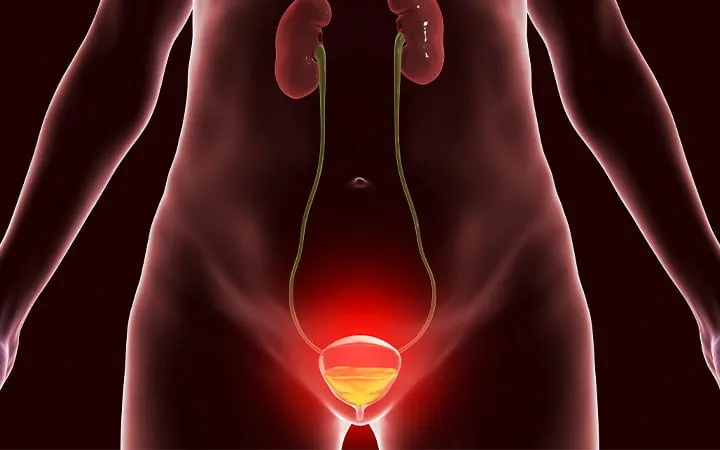
Organ-sparing cancer surgery removes the tumour while keeping as much of the organ, and its function, as safely possible. The older approach often meant taking the whole organ to be sure. This one aims narrower: clear the cancer, save the rest. It only works when the tumour’s size, location and stage allow it, but when they do, the difference to a patient’s life is real.
According to Dr. Sandeep Nayak, Surgical Oncologist in India, “The goal has shifted. We used to remove the whole organ to be certain the cancer was gone. Now, in the right cases, we can take the tumour with a clear margin and leave the function intact. A breast, a working sphincter, a kidney. But it’s never function over cure. The cancer control has to be equal first. Only then does preservation come in.”
Wondering if your cancer can be treated without losing the organ?
How Does It Work?
The principle is precision: take exactly what’s diseased and protect what isn’t.
- Clear margins first : The tumour comes out with a rim of healthy tissue around it. That clearance is non negotiable, function comes after.
- Sparing the rest : Surrounding nerves, muscle and healthy organ tissue are carefully preserved. What stays is what keeps the organ working.
- Right patient : It isn’t for everyone. Tumour size, position and stage decide whether sparing is safe or whether full removal is wiser.
- Better tools help : Robotic and minimally invasive techniques make the fine dissection possible, getting close to structures without damaging them.
This kind of precision is the backbone of modern robotic cancer surgery, where the technology exists specifically to spare what doesn’t need removing.
Where Is It Used?
Organ-sparing approaches now exist across many cancer types, each with its own version.
- Breast : Breast conserving surgery removes the lump, not the whole breast. For early disease, outcomes match mastectomy with far less loss.
- Rectum : Sphincter preserving surgery lets many patients avoid a permanent stoma. The bowel keeps working the way it should.
- Kidney : Partial nephrectomy takes the tumour and leaves the rest of the kidney. Preserving kidney function matters enormously long term.
- Testis and bladder : Selected cases allow part of the organ to be saved, protecting fertility, hormones or urinary function where possible.
A clear example is avoiding a permanent stoma in rectal cancer, where preserving the sphincter changes daily life entirely.
Why Choose Dr. Sandeep Nayak for Cancer Surgery?
Dr. Sandeep Nayak is a surgical oncologist with 24 years behind him and a fellowship in laparoscopic and robotic onco-surgery. His work centres on removing cancer completely while preserving function wherever the tumour allows, across breast, colorectal, kidney and other cancers. The approach always puts cancer control first, then asks how much can safely be saved. That order is what makes organ preservation responsible rather than risky.
Organ sparing only works in skilled, high volume hands. Judging exactly how much can be safely preserved, and executing that dissection precisely, takes experience built over years. Done well, it means a patient beats their cancer and keeps a breast, a kidney or normal bowel function. That balance, full cure with minimal loss, is the whole point of modern surgical oncology.
Frequently Asked Questions
What is organ-sparing cancer surgery?
It removes a tumour while preserving as much of the organ’s function as possible.
Is organ-sparing surgery as safe as full removal?
In suitable cases, yes. Cancer control stays equivalent when patients are selected carefully.
Which cancers allow organ-sparing surgery?
Breast, rectal, kidney, bladder and testicular cancers often allow organ preserving approaches.
Who qualifies for organ-sparing surgery?
It depends on tumour size, location and stage, decided after careful imaging and assessment.
References
- Organ preservation in cancer surgery review — National Library of Medicine
- Organ preservation for rectal cancer — National Library of Medicine
Disclaimer: This blog is for informational and educational purposes only and is not a substitute for professional medical advice or diagnosis.
