
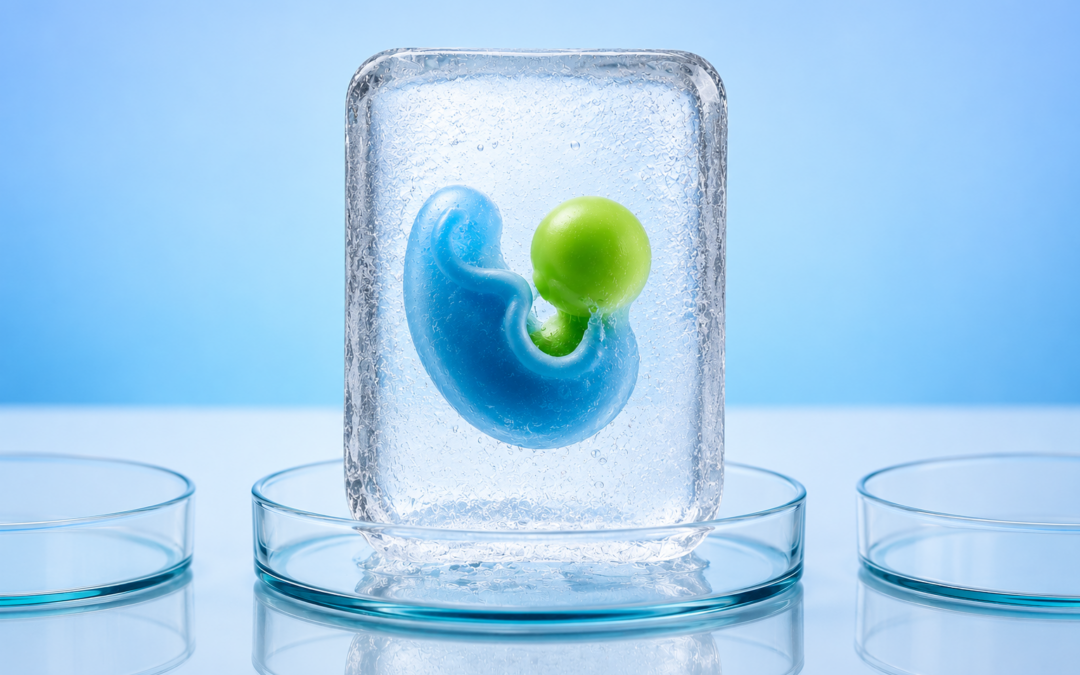
Yes, and it’s one of the more overlooked steps in early cancer planning. Chemotherapy and radiation can damage reproductive cells, sometimes permanently, so freezing eggs, embryos, or sperm before treatment starts is the way most patients protect that option for later. It’s a proven, established process at this point, not experimental.
According to Dr. Sandeep Nayak, surgical oncologist in Bangalore with over 24 years of experience treating solid tumors, “This conversation gets missed more often than it should, mostly because everyone’s focused on treating the cancer itself, understandably. But fertility preservation has a narrow window, it needs to happen before chemo or radiation starts, not after. I’d rather bring it up on day one than have a patient ask about it two years down the line.”
Wondering if fertility preservation fits your treatment timeline?
How Fertility Preservation Actually Works?
- Sperm banking is fast, usually done in a single visit, and doesn’t delay the start of cancer treatment by more than a day or two.
- Egg freezing takes longer, typically 10 to 14 days of hormonal stimulation before eggs can be retrieved.
- Embryo freezing follows a similar timeline to egg freezing, just with fertilisation added before storage.
- Timing has to be coordinated closely with your oncology team, since treatment can’t always wait for a full stimulation cycle.
A surgical oncologist usually flags this option early and loops in a fertility specialist before treatment planning is finalised, rather than leaving it as an afterthought.
Does This Apply to Every Cancer Type?
- Not every treatment plan affects fertility the same way, some chemotherapy drugs carry higher risk than others.
- Radiation to the pelvis tends to carry more fertility risk than radiation elsewhere in the body.
- Age at the time of treatment plays a role too, particularly for egg freezing outcomes.
- Even if pregnancy feels like a distant question right now, preserving the option costs far less than trying to recover it later.
If you’re further along and thinking about the other side of this question, we’ve covered that in Is Pregnancy Safe After Cancer Treatment?, worth a read once treatment’s behind you and you’re planning the next step.
Why Choose Dr. Sandeep Nayak?
Dr. Sandeep Nayak has spent more than two decades in surgical oncology, and young patients facing treatment that could affect fertility have been part of that work throughout. He currently serves as Chairman of Oncology Services for Karnataka and heads Surgical Oncology and Robotic Surgery at KIMS Hospital, Bangalore. What tends to matter most to patients isn’t the title though, it’s that he brings up fertility preservation on day one, before treatment planning gets finalised, rather than leaving it as something to circle back to later. That early conversation is often where things get missed elsewhere.
Frequently Asked Questions
Does fertility preservation delay my cancer treatment?
Depends which route. Sperm banking barely touches the timeline, usually a single visit. Egg or embryo freezing is a different story, that can push things back a week or two, which is exactly why this conversation shouldn’t wait.
Is this covered by insurance in India?
Honestly, it’s all over the map. Some policies cover part of it, plenty don’t touch it at all. Best bet is calling your insurer and the treatment centre directly rather than assuming either way.
Can I still do this if I'm about to start treatment urgently?
Depends how urgent we’re talking. Sperm banking can usually still happen fast, even on short notice. Egg freezing’s trickier, time matters a lot more there, so this is a same-day conversation with your oncologist, not a wait-and-see one.
Does chemotherapy always affect fertility?
Not always, no. Comes down to which drugs, what dose, and how old you are at the time. Your oncology team’s really the one who can walk you through where you actually stand.
References
- ASCO — Clinical Practice Guidelines:
ASCO Guidelines — Fertility Preservation - National Cancer Institute (NCI) — Female Fertility and Cancer Treatment:
NCI — Female Fertility and Cancer Treatment
Disclaimer: This blog is for informational and educational purposes only and is not a substitute for professional medical advice or diagnosis.
