
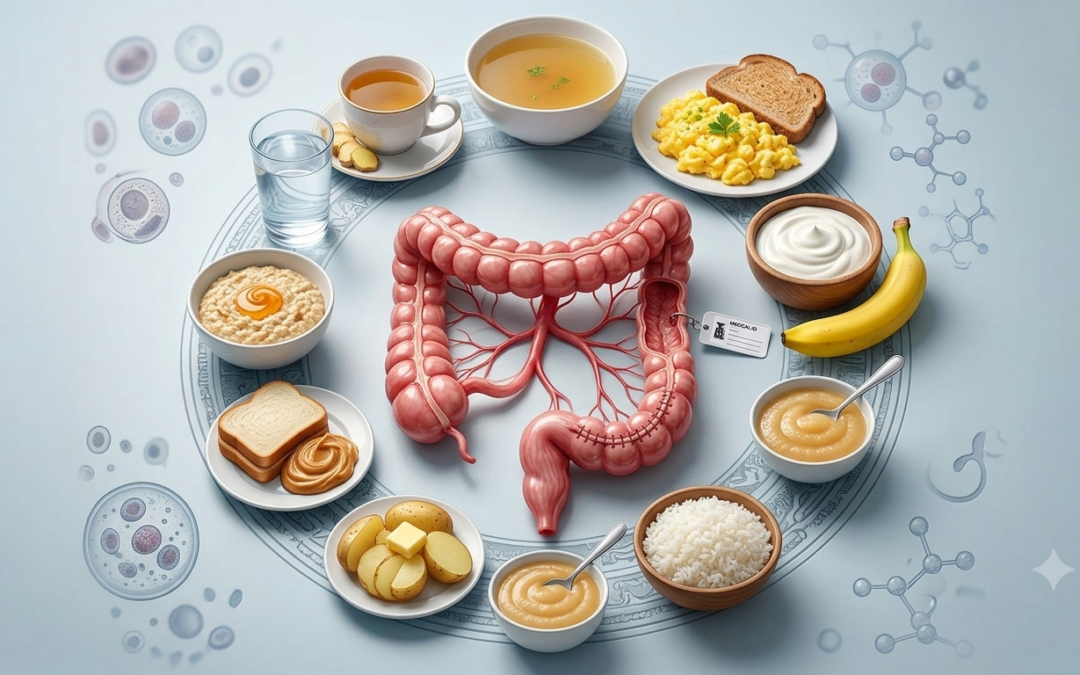
Right after colon or rectal cancer surgery, your gut needs to ease back into working, not get thrown straight into a normal diet. Most patients move through stages, clear liquids first, then a low-fiber soft diet, small and frequent meals rather than three big ones. Hydration matters as much as the food itself in those first weeks, and things like raw vegetables, nuts, and anything high in fiber generally stay off the plate until your surgeon clears you for them.
According to Dr. Sandeep Nayak, surgical oncologist in Bangalore with over 24 years of experience treating solid tumors, “Patients often want to rush back to eating normally, understandably, food feels like a sign of recovery. But the gut just had major surgery, and pushing it too fast with fiber or raw food usually backfires, more discomfort, not less. Slow and staged genuinely gets people back to normal eating faster in the end.”
Recovering from colon or rectal surgery and unsure what to eat?
How the Diet Progression Actually Works?
- Clear liquids come first, usually for a day or two right after surgery, broths, clear juices, plain water.
- Once your gut shows signs of activity, a low-fiber soft diet follows, think eggs, yogurt, white rice, well-cooked lean meats, foods that are gentle and easy to digest.
- Small, frequent meals work better than large ones in these early weeks, easier on a gut that’s still healing.
- Raw vegetables, nuts, seeds, and high-fiber foods generally get reintroduced slowly, and only once your surgeon gives the go-ahead.
This progression applies specifically to the surgical recovery period, if you’re looking further ahead at colon cancer treatment more broadly, our Colon Cancer treatment page covers the fuller picture.
What to Watch For While You Progress?
- Staying hydrated matters more than people expect, dehydration slows healing and can make constipation or diarrhea worse.
- Bloating, cramping, or nausea after introducing a new food usually means it’s too soon for that item, not that something’s gone wrong.
- Weight loss in the first few weeks is common and usually expected, your surgical team will tell you if it’s more than it should be.
- Once you’re past this initial staged phase and settling into longer-term recovery, we’ve covered that separately in Diet and Lifestyle Tips That Support Recovery in Rectal Cancer Patients, worth reading once you’re a few weeks out.
Why Choose Dr. Sandeep Nayak ?
Dr. Sandeep Nayak has spent more than two decades in surgical oncology, and colorectal recovery, diet included, has been part of that work throughout. He currently serves as Chairman of Oncology Services for Karnataka and heads Surgical Oncology and Robotic Surgery at KIMS Hospital, Bangalore. What tends to matter most to patients isn’t the title though, it’s that nutrition guidance gets built into the recovery plan from day one, not handed over as a generic printout on discharge day. That attention to the practical side of healing is often where things get missed elsewhere.
Not sure what stage of the diet progression you should be on? Don’t guess your way through it. Call +91 9482202240 and get someone to actually walk you through it.
Frequently Asked Questions
How long does the low-fiber diet phase usually last?
Honestly, it’s different for everyone. Some patients are past it in two weeks, others take longer, comes down to how the surgery went. Your surgical team’s the one who’ll actually track that timeline with you.
Can I drink coffee or tea after surgery?
Once you’re clear of the liquids-only stage, usually fine in small amounts. Caffeine does mess with digestion for some people during recovery though, so worth flagging to your team rather than just assuming it’s okay.
What if I feel bloated after eating something on the approved list?
Happens more than you’d think, even with foods that are technically fine. Usually just means cutting the portion down or slowing how fast you’re adding new things back in.
When can I go back to a completely normal diet?
No fixed answer here, really. Some people are back to eating normally within a few weeks. Others need more time, and that’s not a bad sign, just how their gut’s healing. Your surgeon will track this with you specifically.
References
- Eating Hints — National Cancer Institute
- Eating Problems Caused by Cancer Treatments — American Cancer Society
Disclaimer: This blog is for informational and educational purposes only and is not a substitute for professional medical advice or diagnosis.
