
Thyroid surgery has evolved significantly over the years, with advancements aimed at improving precision, safety, and cosmetic outcomes. While conventional thyroid surgery remains highly effective, newer techniques such as robotic thyroid surgery offer an alternative approach that can minimize visible scarring and enhance surgical precision in selected patients. Despite its advantages, robotic thyroid surgery is not offered by every surgeon or healthcare center.
Dr. Sandeep Nayak, a globally recognized surgical oncologist in India, states,
“Robotic surgery involves more than advanced technology; it requires expertise, proper patient selection, and dedicated training. A surgeon must develop the necessary skills and experience before offering robotic thyroid procedures safely.”
Dr. Sandeep Nayak is a pioneer in advanced thyroid and head and neck cancer surgery in India. He has expertise in robotic thyroidectomy, transoral robotic thyroid surgery (TORS), scarless thyroid surgery, and minimally invasive techniques. His experience with robotic thyroid surgery in Bangalore at MACS Clinic combines advanced surgical methods with personalized treatment planning. His approach focuses on precise cancer control, functional preservation, and improved quality of life.
This blog explains what robotic thyroid surgery involves, why many surgeons may not offer it, its benefits, and why experience plays an important role in achieving successful results.
What Is Robotic Thyroid Surgery?
Your content goes here. Edit or remove this text inline or in the module Content settings. You can also style every aspect of this content in the module Design settings and even apply custom CSS to this text in the module Advanced settings.
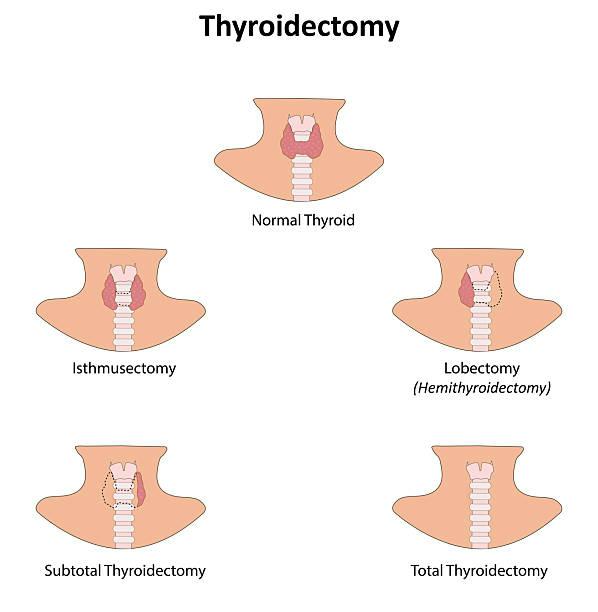
Robotic thyroid surgery is a minimally invasive surgical technique that uses robotic systems to assist surgeons in removing thyroid tissue with enhanced precision and visualization.
Unlike conventional thyroid surgery, which involves an incision at the front of the neck, robotic approaches may use alternative access points such as hidden areas or the mouth to avoid a visible neck scar.
During robotic thyroid surgery:
- The surgeon controls robotic instruments throughout the procedure.
- A high-definition 3D camera provides magnified views of the surgical area.
- Specialized instruments allow precise movements in confined spaces.
- Important structures such as nerves and parathyroid glands can be carefully identified and preserved.

“One advanced approach is Transoral Robotic Thyroid Surgery (TORS), where the thyroid gland is accessed through the mouth, allowing thyroid removal without an external neck incision,”
explains Dr. Sandeep Nayak, a leading robotic cancer surgeon in Bangalore.
Why is robotic thyroid surgery available only with selected surgeons? Let’s explore the key challenges involved in adopting this advanced technique.
Why doesn't Every Surgeon offer Robotic Thyroid Surgery?
- The Steep Learning Curve Associated with Robotic Surgery
Robotic thyroid surgery requires surgeons to develop new technical skills beyond conventional thyroid surgery.
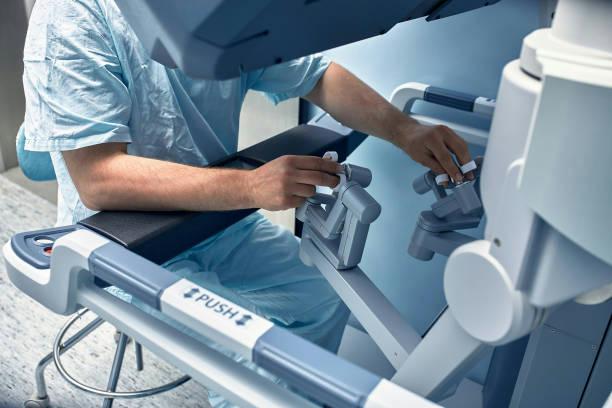
Although robotic systems provide enhanced visualization and precision, surgeons must learn:
- Robotic instrument control
- Three-dimensional surgical navigation
- New approaches to accessing the thyroid gland
- Techniques for protecting delicate structures
Mastering these skills requires extensive training, practice, and experience.
- The Significant Investment Required for Robotic Surgical Systems
Robotic surgery requires advanced equipment, specialized infrastructure, and trained operating room teams.
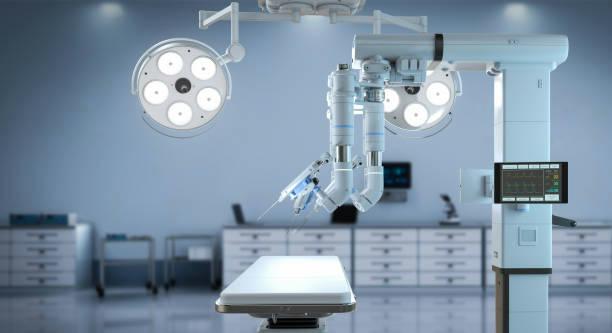
The investment includes:
- Robotic surgical systems
- Maintenance and technology upgrades
- Dedicated surgical staff training
- Hospital infrastructure requirements
Because of these costs, robotic procedures may not be available at every healthcare center.
- Robotic Procedures May Initially Take Longer Than Conventional Surgery
When surgeons begin performing robotic thyroid procedures, operating times may be longer compared with traditional surgery.
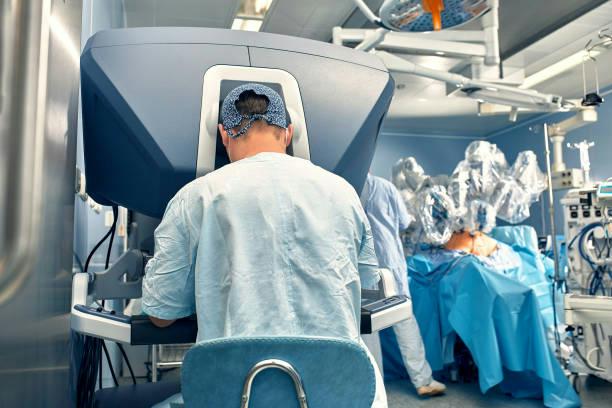
This occurs because:
- The technique requires specialized preparation
- The surgical team needs experience with robotic workflow
- Patient positioning and setup may take additional time
With increasing experience and surgical volume, procedure times generally improve.
- Surgical Volume and Team Experience Are Essential
Successful robotic thyroid surgery depends not only on technology but also on the experience of the entire surgical team.
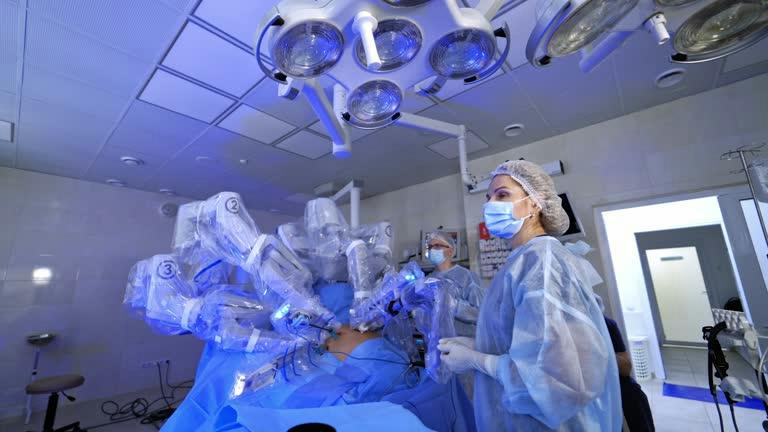
High-volume robotic programs help teams develop:
- Better coordination
- Improved efficiency
- Consistent surgical outcomes
- Enhanced patient safety
Experience plays a major role in determining the success of advanced procedures.
- Adapting to New Surgical Technologies Can Be Challenging
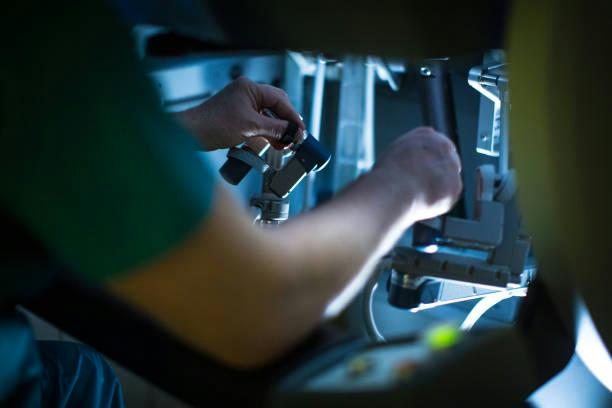
Some surgeons may continue using conventional thyroid surgery because they already have extensive experience and excellent results with established methods.
However, for appropriately selected patients, robotic surgery can provide additional advantages when performed by trained specialists.
What makes robotic thyroid surgery an advanced treatment option? Let’s discover the advantages this technique can offer selected patients.
Benefits of Robotic Thyroid Surgery
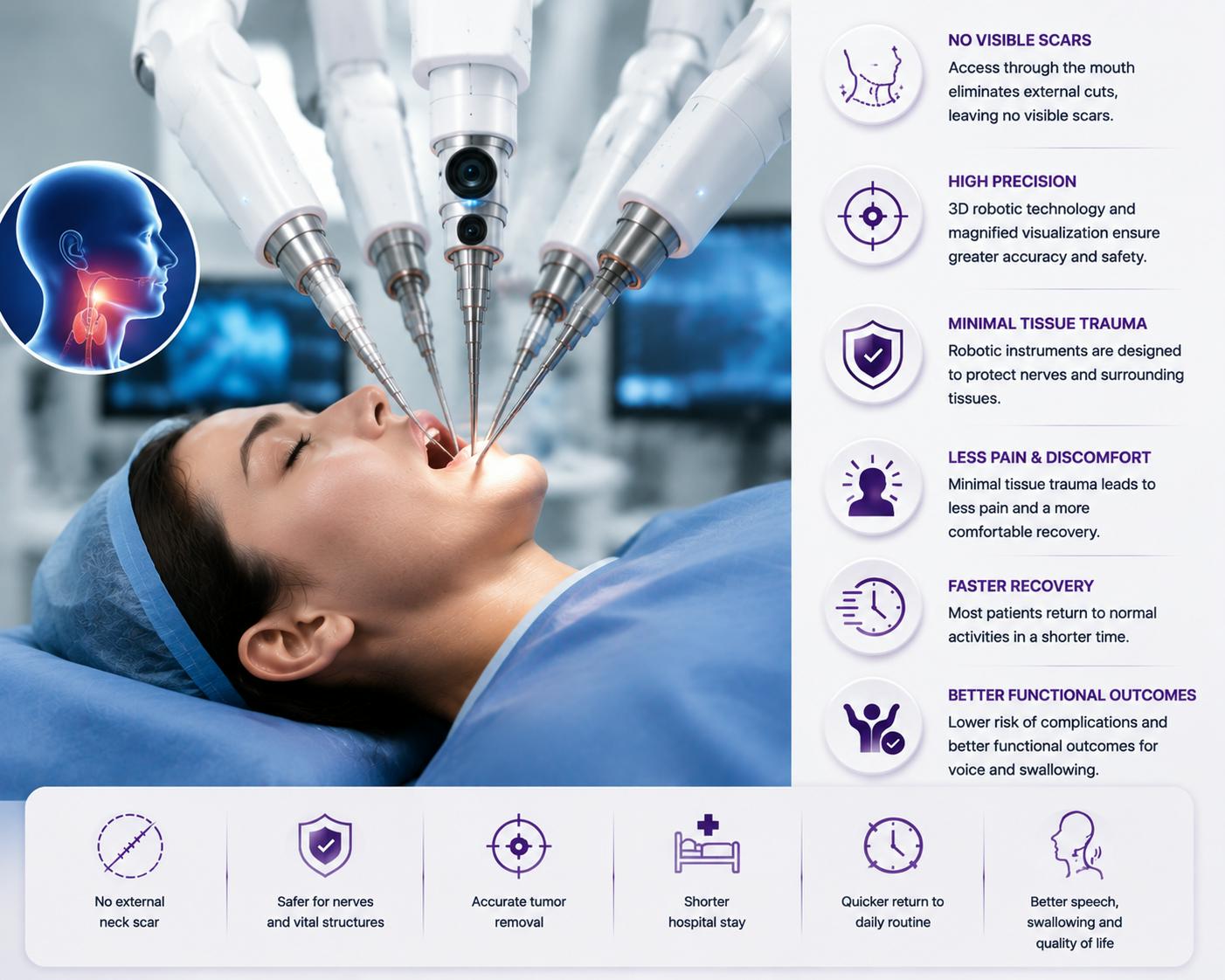
One of the primary advantages of robotic thyroid surgery is improved cosmetic results. Techniques such as transoral robotic thyroid surgery can avoid a visible neck incision.
Robotic systems provide magnified three-dimensional views and flexible instruments, allowing surgeons to perform delicate movements with greater control.
Enhanced visualization helps surgeons identify important structures, including nerves and parathyroid glands, during surgery.
Robotic thyroid surgery may reduce external tissue disruption and provide an alternative approach for suitable patients.
Many patients appreciate the possibility of thyroid surgery without a visible neck scar, especially younger patients or those concerned about appearance.
Learn more about advanced thyroid surgery in Bangalore and available surgical approaches.
Is robotic thyroid surgery a safe alternative to traditional surgery? Let’s discuss how safety depends on expertise, technology, and patient selection.
Is Robotic Thyroid Surgery Safe?
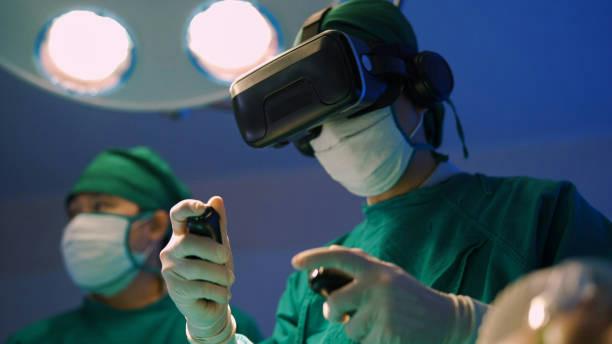
Yes, robotic thyroid surgery is considered safe when performed by experienced surgeons who have appropriate training and expertise.
Safety depends on:
- Proper patient selection
- Surgeon experience
- Advanced surgical planning
- Experienced operating room teams
- Appropriate postoperative care
Like any surgery, robotic thyroid procedures carry potential risks, including bleeding, infection, voice changes, and calcium imbalance. However, experienced surgeons take careful measures to minimize these risks.
Choosing an experienced oncologist in Bangalore with expertise in advanced thyroid procedures is important for achieving safe and effective outcomes.
Conclusion
Robotic thyroid surgery is an advanced technique that offers improved precision, enhanced visualization, and reduced visible scarring for selected patients. However, it requires specialized training, advanced infrastructure, and extensive surgical expertise for safe outcomes.
Dr. Sandeep Nayak provides advanced thyroid and head and neck cancer care using robotic and minimally invasive techniques, with a focus on precision, safety, and personalized treatment.
Patients considering robotic surgery in Bangalore should consult an experienced specialist to determine if this approach is suitable for their condition.
Frequently Asked Questions
1. What is robotic thyroid surgery?
2. Why don't all surgeons offer robotic thyroid surgery?
3. Is robotic thyroid surgery better than traditional thyroid surgery?
4. Does robotic thyroid surgery leave a scar?
5. Who is eligible for robotic thyroid surgery?
Disclaimer: The information shared in this content is for educational purposes and not for promotional use.
