
3 Ways Cancer Can Spread

3 Ways Cancer Can Spread

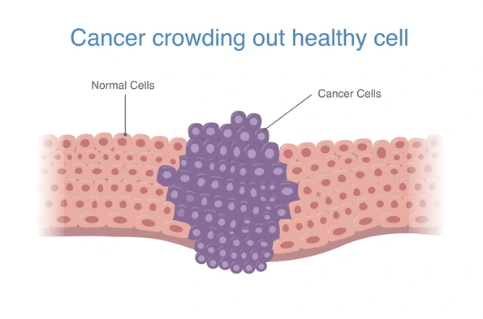
Cancer spreads through three primary pathways: direct invasion of surrounding tissue, the lymphatic system, and the bloodstream. This process, known as metastasis, makes cancer significantly more difficult to treat once it begins. Early diagnosis and prompt cancer treatment before malignant cells reach distant organs remain the most critical factors in improving patient survival outcomes.

According to Dr. Sandeep Nayak, surgical oncologist in Bangalore,
“Stopping cancer before it enters the lymphatic or blood pathway makes a decisive difference in treatment outcomes.”

What Are the 3 Ways Cancer Spreads in the Body?

Understanding each cancer spread pathway helps patients appreciate why early cancer treatment intervention is so critical.

  • Direct Invasion: Cancer cells break through the boundary of the original tumour and directly invade surrounding healthy tissue, organs, and structures adjacent to the primary site.
  • Lymphatic Spread: Cancer cells enter the lymphatic vessels and travel to nearby lymph nodes, which is why lymph node biopsy is a critical part of cancer staging and treatment planning.
  • Haematogenous Spread: Cancer cells enter the bloodstream and travel to distant organs including the lungs, liver, brain, and bones, forming secondary tumours called metastases.
  • Transcoelomic Spread: Some cancers like ovarian and gastric cancer spread by shedding cells directly into body cavities like the peritoneum, leading to widespread abdominal metastasis.

Understanding how cancer spreads plays an important role in determining prognosis and selecting the most appropriate treatment plan. You can explore detailed insights on survival outcomes and advanced curable treatment approaches in our in-depth guide on blood cancer management.

What Are the Key Differences Between Localised and Metastatic Cancer Treatment?

Understanding how spread changes treatment complexity helps patients seek cancer treatment at the right time.

  • Visibility / Precision: Localised cancer is confined to the primary site and clearly visible on imaging, while metastatic cancer involves multiple organ sites requiring full body PET-CT mapping.
  • Success Rates: Localised cancers have 5-year survival rates of 70–95% depending on type, while metastatic cancers drop to 10–30% across most cancer categories 
  • Recovery Time: Localised cancer treatment through minimally invasive surgery allows recovery in 2–4 weeks, while metastatic cancer requires prolonged multi-modal therapy over several months.
  • Complex Case Suitability: Metastatic cancer involving the liver, lungs, or brain requires a multidisciplinary team combining surgical oncology, medical oncology, and radiation oncology for coordinated cancer treatment planning.

Advanced approaches such as robotic cancer surgery can improve surgical precision, reduce complications, and enhance recovery in selected cancer cases.

Why Choose Dr. Sandeep Nayak for Cancer Treatment?

You should consult Dr. Sandeep Nayak, if you notice persistent or unexplained symptoms such as unusual lumps, unexplained weight loss, chronic fatigue, abnormal bleeding, persistent pain, or changes in bowel or bladder habits. Early evaluation plays a critical role in detecting cancer at a more treatable stage.

It is also advisable to seek consultation if screening tests, imaging scans, or biopsy results show abnormalities. Patients who have been newly diagnosed with cancer, advised surgery, chemotherapy, radiation, or robotic procedures, or those seeking a second opinion for complex or advanced cases should consult Dr. Sandeep Nayak for expert guidance and personalized treatment planning.

Frequently Asked Questions

Can cancer spread be stopped once it starts?

Yes, early-stage lymphatic or blood spread can often be controlled through timely surgery, chemotherapy, or targeted therapy when detected before widespread metastasis occurs.

Which organs does cancer most commonly spread to?

Cancer most commonly spreads to the liver, lungs, brain, and bones through haematogenous spread depending on the primary cancer type and location.

How do doctors know if cancer has spread to lymph nodes?

Lymph node involvement is confirmed through imaging scans, sentinel lymph node biopsy, and pathological examination of surgically removed lymph node tissue.

Is metastatic cancer always incurable?

Not always some metastatic cancers including certain colorectal and thyroid cancers can achieve long-term remission with aggressive multimodal cancer treatment by a specialist team.

Reference links:

Disclaimer: The information shared in this content is for educational purposes and not for promotional use.

Which Test Is Done for Cancer

Which Test Is Done for Cancer

Cancer diagnosis requires a series of tests including imaging studies, lab work, and biopsies to verify a diagnosis. Biopsies, imaging studies (CT scans, MRI, PET scans, ultrasound), and other screenings like Pap smears, mammograms, and colonoscopies are primary diagnostic tools. Blood work looks for the presence of tumor markers, such as PSA in prostate cancer.
According to Dr. Sandeep Nayak, surgical oncologist in Bangalore,
“Cancer diagnosis relies on blood tests, imaging, and biopsy; skipping any step can lead to inaccurate staging and treatment.”

What Are the Most Important Tests Used to Diagnose Cancer?

Knowing which cancer diagnostic tests are available helps patients understand what to expect when consulting an oncologist in Bangalore.

  • Complete Blood Count: A basic blood test that measures red cells, white cells, and platelets, helping detect blood cancers like leukaemia and lymphoma at an early stage.
  • Tumour Marker Tests: Blood tests measuring proteins like CEA, CA-125, PSA, AFP, and CA 19-9 indicate the presence of specific cancers including colorectal, ovarian, prostate, and liver cancers.
  • Biopsy: The definitive cancer diagnostic test where a tissue sample is surgically or needle-extracted from a suspected tumour and examined under a microscope to confirm malignancy.
  • CT Scan: A detailed cross-sectional imaging test that identifies tumour size, location, lymph node involvement, and distant metastasis across multiple organ systems simultaneously.

In select cases requiring surgical intervention, advanced options such as robotic surgery offer precision, minimal invasiveness, and improved recovery outcomes.

What Are the Key Differences Between Basic and Advanced Cancer Diagnostic Tests?

Understanding the difference between screening tests and confirmatory tests helps patients navigate the cancer diagnosis process more effectively.

  • Visibility / Precision: Basic blood tests provide initial indicators of cancer, while advanced molecular profiling and PET-CT scans precisely map tumour location, size, and spread.
  • Success Rates: Cancers confirmed through comprehensive testing including biopsy and molecular profiling have significantly better cancer treatment outcomes than those treated on imaging alone [VERIFY: NCI data].
  • Recovery Time: Non-invasive tests like blood work and CT scans require no recovery time, while surgical biopsy procedures may require 24 to 48 hours of monitored rest.
  • Complex Case Suitability: Advanced cancers with unclear primary origin or multiple metastatic sites require liquid biopsy, next-generation sequencing, and full molecular profiling for accurate cancer treatment planning.

Dr. Sandeep Nayak follows a structured diagnostic protocol for every patient, selecting the most appropriate combination of tests based on symptoms, clinical examination, and suspected cancer type to ensure no malignancy goes undetected or understaged.

Why Choose Dr. Sandeep Nayak for Cancer Treatment in Bangalore?

Dr. Sandeep Nayak follows a precision-based diagnostic approach to cancer treatment, combining thorough clinical evaluation, advanced imaging, tissue biopsy, and molecular profiling to ensure every patient receives an accurate and complete cancer diagnosis before any treatment decision is made. With 24+ years of experience across gastrointestinal, thoracic, head and neck, and thyroid cancers, he ensures the right tests are ordered at the right time to avoid diagnostic delays. Every patient receives a personalized cancer treatment plan built on a foundation of accurate staging and comprehensive diagnostic workup.

Frequently Asked Questions

Can a blood test alone confirm cancer diagnosis?

No, blood tests indicate cancer risk but a confirmed diagnosis always requires tissue biopsy examined by a pathologist to establish malignancy definitively.

Is a PET scan necessary for all cancer patients?

Not always  PET scans are recommended for staging, treatment planning, and monitoring response in specific cancer types based on specialist assessment.

How long does it take to get cancer test results in India?

 Basic blood tests take 24 to 48 hours, while biopsy and molecular profiling results typically take 5 to 14 working days depending on the laboratory.

Which cancer test should I get first if I have symptoms?

A complete blood count, tumour marker panel, and relevant imaging scan are the standard first-line investigations recommended by an oncologist for initial cancer evaluation.

Reference links:

Disclaimer: The information shared in this content is for educational purposes and not for promotional use.

Is Blood Cancer Hereditary? Causes & Risk Factors

Is Blood Cancer Hereditary? Causes & Risk Factors

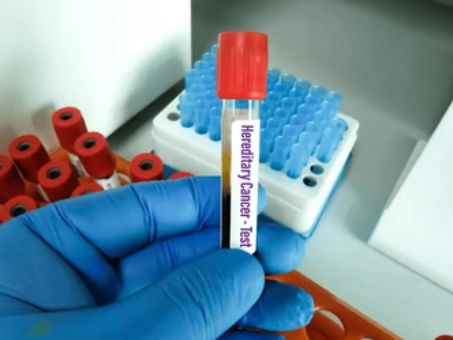
Most cases of blood cancers are not hereditary, meaning that they are not passed on from parents to offspring. Although blood cancers are associated with genetic mutations, these are mostly acquired over the lifetime of an individual, either due to age or environmental factors. Only 4-5% of blood cancers are associated with inherited gene mutations.
According to Dr. Sandeep Nayak, surgical oncologist in Bangalore,
“Blood cancer is rarely a direct inheritance from parent to child  but family history is a critical risk factor that should prompt regular blood screenings, because catching abnormal cell changes before they progress to active cancer can make an enormous difference in treatment outcomes.”

What Are the Hereditary and Non-Hereditary Causes of Blood Cancer?

Understanding what triggers blood cancer helps patients assess their personal risk and seek timely cancer treatment evaluation.

  • Inherited Gene Mutations: Specific mutations in genes like BRCA2, TP53, and RUNX1 passed from parent to child increase lifetime susceptibility to leukaemia and lymphoma significantly.
  • Acquired Genetic Mutations: Most blood cancers develop from DNA damage accumulated over a lifetime due to radiation exposure, chemical contact, or random cell division errors.
  • Family History Risk: Having a first-degree relative diagnosed with leukaemia, lymphoma, or myeloma increases personal risk by two to four times compared to the general population.
  • Chromosomal Abnormalities: Inherited conditions like Down Syndrome and Fanconi Anaemia carry a significantly elevated risk of developing acute leukaemia during childhood or early adulthood.

To better understand treatment outcomes and whether blood cancer is curable, you can explore this detailed survival and treatment guide.

What Are the Key Differences Between Hereditary and Non-Hereditary Blood Cancer Treatment?

Understanding the origin of blood cancer influences the treatment approach and long-term monitoring strategy.

  • Visibility / Precision: Hereditary blood cancers are often identified earlier through proactive family screening, while non-hereditary cases are typically detected after symptoms appear.
  • Success Rates: Blood cancers detected through family risk screening show significantly better outcomes, with early-stage chronic leukaemia survival rates exceeding 85% [VERIFY: NCI SEER database].
  • Recovery Time: Hereditary blood cancer patients diagnosed early through genetic screening require less aggressive cancer treatment and recover faster than late-stage patients.
  • Complex Case Suitability: Hereditary blood cancers with confirmed high-risk gene mutations require specialist-led multidisciplinary cancer treatment planning including stem cell transplant evaluation.

Dr. Sandeep Nayak evaluates each patient’s family history, genetic profile, and blood markers through a structured diagnostic protocol to accurately assess hereditary risk and design the most appropriate and personalised cancer treatment plan.

Why Choose Dr. Sandeep Nayak for Cancer Treatment?

Dr. Sandeep Nayak follows a comprehensive approach to tobacco-related cancer treatment, combining precise surgical techniques including RIA-MIND and MIND for oral and throat cancers with structured pre-operative nicotine cessation protocols that improve surgical outcomes. With 24+ years of experience treating oral, throat, lung, and oesophageal cancers caused by tobacco use, he delivers highly specialised minimally invasive cancer care tailored to each patient’s history and disease stage. Every patient receives a personalized cancer treatment plan designed to achieve the best possible outcome regardless of prior tobacco exposure.

Frequently Asked Questions

Should I get tested for blood cancer if my parent had it?

Yes, first-degree relatives of blood cancer patients should undergo genetic counselling and regular blood screening to detect any early abnormalities promptly.

What genetic tests confirm hereditary blood cancer risk?

 BRCA2, TP53, RUNX1 gene panels and comprehensive haematological genetic testing confirm inherited blood cancer risk and guide preventive monitoring strategies.

Can hereditary blood cancer be prevented if detected early?

 While prevention is not always possible, early detection through genetic screening allows timely intervention that significantly improves treatment outcomes and survival rates.

Is blood cancer more aggressive when it is hereditary?

Not necessarily hereditary blood cancers detected early through family screening often respond well to targeted therapy and stem cell transplant when treated promptly.

Reference links:

Disclaimer: The information shared in this content is for educational purposes and not for promotional use.

 Does Nicotine Cause Cancer

 Does Nicotine Cause Cancer

Nicotine itself is not considered a direct cause of cancer (carcinogen) and is not the cause of the cancer-causing properties of smoking, which are due to other chemicals in tobacco. Although highly addictive and toxic to cardiovascular systems, it is a tumor promoter rather than an initiator.

According to Dr. Sandeep Nayak, surgical oncologist in Bangalore,
“Nicotine may not be labeled a direct carcinogen, but it creates conditions that allow cancer to grow. Patients who continue using nicotine during treatment often have poorer outcomes compared to those who quit before therapy.”

How Does Nicotine Contribute to Cancer Development and Progression?

Understanding the biological role of nicotine helps patients make informed decisions about tobacco and cancer treatment.

  • Tumour Promotion: Nicotine activates nicotinic acetylcholine receptors on cancer cells, stimulating their growth, survival, and resistance to programmed cell death.
  • Angiogenesis Stimulation: Nicotine promotes the formation of new blood vessels that supply nutrients to growing tumours, accelerating cancer progression significantly.
  • Immune Suppression: Chronic nicotine exposure weakens the body’s natural immune surveillance, reducing its ability to detect and destroy early-stage cancer cells.
  • Carcinogen Delivery: Nicotine is the primary addictive agent that keeps users exposed to thousands of tobacco smoke carcinogens including benzene, formaldehyde, and nitrosamines.

These mechanisms further explain how smoking causes serious damage to the respiratory system and increases overall cancer risk.

What Are the Key Differences Between Nicotine Users and Non-Users in Cancer Treatment Outcomes?

Understanding how nicotine affects cancer treatment helps patients make the critical decision to quit before and during therapy.

  • Visibility / Precision: Cancer in nicotine users is often detected at a more advanced stage because chronic tobacco use masks early symptoms like persistent cough or throat changes.
  • Success Rates: Smokers diagnosed with lung or throat cancer have significantly lower 5-year survival rates compared to non-smokers with the same cancer type and stage [VERIFY: NCI data].
  • Recovery Time: Nicotine users undergoing cancer treatment experience slower wound healing, higher infection rates, and longer hospital stays than non-users.
  • Complex Case Suitability: Nicotine users with advanced oral, throat, or lung cancer require complex multi-modal cancer treatment combining surgery, chemotherapy, and radiation with specialist coordination.

In suitable cases, advanced options such as robotic cancer surgery may help improve surgical precision and recovery outcomes as part of a comprehensive treatment plan.

Why Choose Dr. Sandeep Nayak for Cancer Treatment?

Dr. Sandeep Nayak follows a comprehensive approach to tobacco-related cancer treatment, combining precise surgical techniques including RIA-MIND and MIND for oral and throat cancers with structured pre-operative nicotine cessation protocols that improve surgical outcomes. With 24+ years of experience treating oral, throat, lung, and oesophageal cancers caused by tobacco use, he delivers highly specialised minimally invasive cancer care tailored to each patient’s history and disease stage. Every patient receives a personalized cancer treatment plan designed to achieve the best possible outcome regardless of prior tobacco exposure.

Frequently Asked Questions

Can quitting nicotine reduce cancer risk even after years of use?

Yes, quitting tobacco at any age significantly reduces cancer risk, with risk levels dropping progressively the longer a person remains nicotine free.

Which cancers are most commonly linked to nicotine and tobacco use?

Oral, lung, throat, oesophageal, bladder, and pancreatic cancers are most directly and consistently linked to long-term nicotine and tobacco use.

Does nicotine in patches and gums also cause cancer?

Current evidence suggests nicotine replacement products carry significantly lower cancer risk than tobacco smoke, but long-term safety data is still being studied.

How soon should a tobacco user see an oncologist in Bangalore?

 Any tobacco user experiencing persistent hoarseness, mouth ulcers, unexplained weight loss, or chronic cough should consult an oncologist without delay.

Reference links:

Disclaimer: The information shared in this content is for educational purposes and not for promotional use.
 Is Tumor and Cancer Same

 Is Tumor and Cancer Same

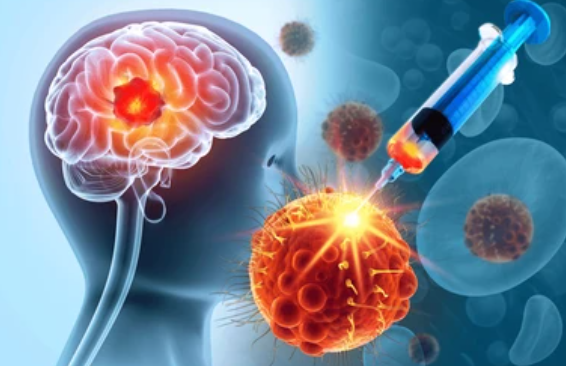
No, a tumor and cancer are not the same. A tumor is an abnormal growth of cells, or a lump, which may be benign or malignant. Cancer, on the other hand, is a disease that is caused by the growth of malignant tumors, which grow uncontrollably and metastasize to other parts of the body.

According to Dr. Sandeep Nayak, surgical oncologist in Bangalore,
“One of the most common misconceptions I see is that every tumor is cancer. In reality, many tumors are benign and only need monitoring, while malignant tumors require timely and precise treatment to prevent spreading.”

What Are the Key Differences Between a Tumor and Cancer?

Understanding the distinction between tumor and cancer helps patients respond appropriately to their diagnosis and seek the right treatment.

  • Benign Tumors: These are non-cancerous growths that do not invade nearby tissue or spread to other organs and are usually treated by simple surgical removal.
  • Malignant Tumors: These are cancerous growths with the ability to invade surrounding tissue, enter the bloodstream, and spread to distant organs through a process called metastasis.
  • Pre-Malignant Tumors: Some tumors sit between benign and malignant, carrying a significant risk of becoming cancerous over time if left unmonitored or untreated.
  • Cancer Without Tumor: Certain cancers like leukaemia involve malignant cells circulating in the blood and bone marrow without forming a solid tumor mass.

For specialised evaluation and treatment of adrenal tumors, consult an experienced surgical oncology team for personalised care.

What Are the Key Differences Between Benign Tumor Treatment and Cancer Treatment?

Knowing whether a tumor is benign or malignant directly determines the urgency and type of treatment required.

  • Visibility / Precision: Benign tumors have smooth, well-defined borders on imaging, while malignant tumors show irregular margins, internal heterogeneity, and surrounding tissue involvement.
  • Success Rates: Benign tumors are cured in nearly 100% of cases with surgical removal, while malignant tumor treatment success depends on cancer type and stage [VERIFY: NCI data].
  • Recovery Time: Benign tumor removal through minimally invasive surgery allows recovery in 1–2 weeks, while cancer treatment involving chemotherapy or radiation requires months of structured care.
  • Complex Case Suitability: Malignant tumors with lymph node involvement or distant metastasis require a multidisciplinary oncology team for combined surgical, chemotherapy, and radiation cancer treatment planning.

In cancers such as rectal cancer, outcomes and curability largely depend on early detection, accurate staging, and a well-coordinated treatment approach.

Why Choose Dr. Sandeep Nayak for Tumor and Cancer Treatment in Bangalore?

Dr. Sandeep Nayak follows a precision-based approach to tumor and cancer treatment, combining advanced robotic and laparoscopic surgical techniques with thorough pre-operative staging and molecular diagnosis. As a pioneer of minimally invasive cancer surgery in India with inventions including RABIT for thyroid tumors and MIND for head and neck malignancies, he delivers highly specialized surgical care across a wide range of tumor types. Every patient receives a comprehensive evaluation and a personalized treatment plan designed to achieve the best possible outcome with minimal surgical impact.

Frequently Asked Questions

Can a benign tumor turn into cancer over time?

Yes, certain benign and pre-malignant tumors can become cancerous over time if left unmonitored or untreated by a specialist

How do doctors determine if a tumor is cancerous?

A biopsy, where a small tissue sample is examined under a microscope, is the definitive method to confirm whether a tumor is benign or malignant.

Is surgery always required to treat a tumor?

Not always small benign tumors may only need monitoring, while malignant tumors typically require surgery, chemotherapy, or radiation depending on their stage.

Can tumors be completely removed with robotic surgery in Bangalore?

Yes, Dr. Sandeep Nayak performs robotic and laparoscopic tumor removal for several cancer types including thyroid, colorectal, and head and neck tumors in Bangalore.

Reference links:

Disclaimer: The information shared in this content is for educational purposes and not for promotional use.