
support@macsclinic.com
+91 9482202240
How Does Cancer Cause Weight Loss?

How Does Cancer Cause Weight Loss?

Cancer drives weight loss through several things happening together. The tumour leaks inflammatory chemicals that ramp up metabolism and dampen appetite. The body burns more calories at rest. Add chemo, radiation or surgery side effects on top, and food intake drops too. Rarely just one cause. Usually four or five stacking up at once.

According to Prof. Dr. Sandeep Nayak, Surgical Oncologist in India, “Cancer weight loss isn’t just about appetite or food. It’s a metabolic state where the body burns through itself to feed the cancer. Understanding that helps families stop blaming the patient for not eating enough, and helps the medical team plan support around treatment, not just diet.”

It’s biology, not effort. Knowing why helps families respond better.

What Are the Main Mechanisms Behind Cancer Weight Loss?

Several processes run at the same time. Each adds to the weight loss.

  • Cytokine inflammation: The tumour pushes out proteins called TNF-alpha, IL-1, IL-6. These speed muscle breakdown. They suppress appetite too. So even patients who feel like eating struggle to use the food properly.
  • Hypermetabolism: Cancer cells gulp huge amounts of glucose and nutrients to grow. Resting metabolism climbs. Reserves burn faster than normal eating can replace. The scale drops.
  • Hormonal disruption: Insulin resistance kicks in. Catabolic hormones rise. Anabolic hormones fall. The balance tips toward tissue breakdown rather than tissue building.
  • Treatment side effects: Chemo brings nausea, mouth sores, taste changes. Radiation to the gut or throat makes swallowing painful. Surgery limits food intake during recovery. Each compounds the underlying biology.

For patients whose cancer can be surgically removed, robotic cancer surgery brings precise tumour control with faster recovery, often slowing the metabolic chaos behind the weight loss.

Which Cancers Cause the Most Weight Loss and Why?

Some cancers hit harder than others. Location and biology both play a role.

  • Pancreatic cancer: The classic example. Around 80 percent of patients show weight loss at diagnosis. The pancreas controls digestive enzymes and blood sugar, so tumours here disrupt both at once.
  • Stomach and oesophageal: Direct physical effect. Tumours block food, create early fullness, make swallowing tough. Patients eat less without quite realising it.
  • Lung cancer: Strong inflammatory load. High cytokine levels drive systemic weight loss, even when the tumour itself is still small or early stage.
  • Head and neck cancers: Pain with eating. Altered taste. Difficulty swallowing. Radiation side effects often compound the cancer’s direct effect on the appetite.

For patients dealing with digestive symptoms alongside weight loss, our blog on stomach cancer warning signs walks through the full symptom picture worth checking.

Why Choose Dr. Sandeep Nayak for Your Cancer Care?

Dr. Sandeep Nayak has spent 24 years in surgical oncology. He holds DNB qualifications in Surgical Oncology and General Surgery, plus a fellowship in Laparoscopic and Robotic Onco Surgery. He treats cancer weight loss as part of the overall plan from the start, coordinating with oncology dietitians and supportive care teams so nutrition, medication and cancer treatment work together rather than in isolation.

Every case at MACS Clinic is reviewed by the multidisciplinary tumour board before treatment planning. Call +91 8104310753 to book your consultation.

Frequently Asked Questions

How does cancer cause weight loss?

Inflammation, increased metabolism, appetite loss and treatment side effects together.

Which cancers cause the most weight loss?

Pancreatic, stomach, lung, oesophageal and head and neck cancers commonly.

Is weight loss the first cancer sign?

Yes, in about 40 percent of cancer diagnoses worldwide

Does treatment also cause weight loss?

Yes, chemotherapy, radiation and surgery side effects contribute too.
Disclaimer: This micro blog is for educational purposes only and should not replace professional medical advice, diagnosis, or treatment.

What Is PIPAC and How Is It Different from HIPEC?

What Is PIPAC and How Is It Different from HIPEC?

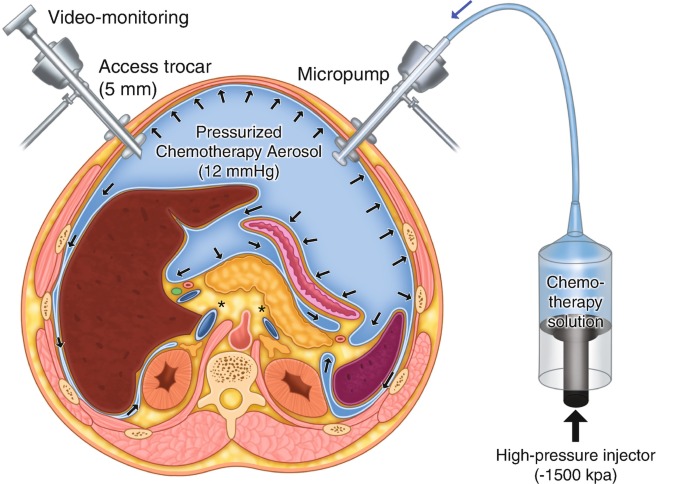
PIPAC stands for Pressurised Intraperitoneal Aerosol Chemotherapy, a newer minimally invasive procedure that delivers chemotherapy as a pressurised mist directly into the abdominal cavity through small laparoscopic ports, repeated every six weeks alongside systemic chemo. HIPEC delivers heated liquid chemotherapy in a single major procedure after cytoreductive surgery. PIPAC is mainly used when full surgical removal isn’t possible, HIPEC when it is. Both target peritoneal cancer spread but in fundamentally different ways.

According to Prof. Dr. Sandeep Nayak, Surgical Oncologist in India, “PIPAC has changed what we can offer patients with peritoneal cancer spread that isn’t fully resectable. It’s not a replacement for HIPEC, it’s a different tool for a different group of patients, and the choice depends entirely on how extensive the spread is and what’s surgically achievable.”

That choice between PIPAC and HIPEC deserves a clear explanation, not just medical jargon.

What Is PIPAC and How Does It Work?

PIPAC is a precise, minimally invasive chemotherapy delivery system. Here’s the breakdown.

  • Aerosol delivery: Chemotherapy drugs are sprayed as a fine pressurised mist directly into the abdomen, reaching cancer cells across the peritoneal surface evenly.
  • Pressure boost: The pressurised gas environment pushes the drug deeper into tumour tissue than liquid chemo achieves, improving local absorption significantly.
  • Small incisions: Done laparoscopically through tiny ports, with no large cut, no organ removal, and patients usually discharged within one to two days.
  • Repeated cycles: Given every six weeks alongside ongoing systemic chemotherapy, with three or more sessions typical depending on response.

So PIPAC is short, repeatable and minimally invasive. To understand the full peritoneal cancer treatment toolkit, the HIPEC treatment in Bangalore service page covers both PIPAC and HIPEC offered at MACS Clinic.

PIPAC vs HIPEC: A Side by Side Comparison?

The two are often confused but work in fundamentally different ways. Here’s how they actually compare.

Feature

HIPEC

PIPAC

Mechanism

Heated liquid chemo bath

Pressurised aerosol mist

Procedure type

Major surgery with cytoreduction

Minimally invasive laparoscopy

Recovery time

Around 3 months full recovery

Discharge in 1 to 2 days

Repeated

Usually one time only

Every 6 weeks, repeated cycles

Used when

Cancer can be fully removed

Cancer is too extensive to remove

  • Surgery scale: HIPEC needs full cytoreductive surgery first to remove visible tumour. PIPAC doesn’t, it’s chemotherapy delivery alone.
  • Patient eligibility: HIPEC suits patients fit for major surgery with limited spread. PIPAC suits those whose disease is too spread for full surgery or who can’t tolerate major surgery.
  • Intent of treatment: HIPEC aims to cure carefully selected patients. PIPAC is usually palliative or used to shrink disease enough for future surgery.
  • Combined often: Some patients receive PIPAC first to reduce disease, then become candidates for HIPEC later, with the two working together rather than competing.

So the choice depends on the disease burden and surgical fitness, not patient preference. To understand outcomes after the more established HIPEC procedure, our blog on life expectancy after HIPEC surgery walks through what survival actually depends on for individual patients.

Why Choose Dr. Sandeep Nayak for Your Breast Cancer Care?

Dr. Sandeep Nayak brings 24 years of surgical oncology experience, DNB qualifications in Surgical Oncology and General Surgery and a fellowship in Laparoscopic and Robotic Onco Surgery to the care of patients with peritoneal cancer spread. He performs both HIPEC and PIPAC at MACS Clinic and KIMS Hospital Bangalore, choosing between them based on each patient’s disease burden and surgical fitness, not on what’s most commonly offered elsewhere.

That tailored selection between PIPAC, HIPEC or both is what gives peritoneal cancer patients the right tool for their specific situation. Every case at MACS Clinic goes through a full tumour board, where the treatment plan is set together. Call +91 8104310753 to book your consultation.

Frequently Asked Questions

What is PIPAC?

Pressurised intraperitoneal aerosol chemo delivered through small laparoscopic ports.

How is PIPAC different from HIPEC?

PIPAC uses pressurised mist, HIPEC uses heated liquid. PIPAC is repeated, HIPEC is one time.

Who needs PIPAC?

Patients whose peritoneal cancer is unresectable for full surgery.

How often is PIPAC done?

Usually every six weeks alongside systemic chemotherapy.

References:

  1. National Cancer Institute, Peritoneal Cancer Treatment. https://www.cancer.gov/
  2. World Health Organisation, Cancer. https://www.who.int/news-room/fact-sheets/detail/cancer
Targeted Therapy vs Chemotherapy: What Is the Difference?

Targeted Therapy vs Chemotherapy: What Is the Difference?

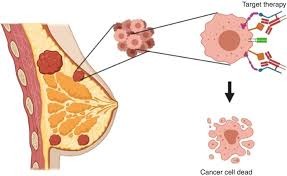
Chemotherapy uses drugs that attack all fast dividing cells in the body, including cancer cells but also healthy cells in hair follicles, the gut lining and bone marrow, which is why hair loss, nausea and low blood counts are common. Targeted therapy attacks only specific molecules or genetic mutations found in cancer cells, leaving most healthy cells alone, which means fewer broad side effects but its own distinct ones. Both are powerful, often used together, and the right choice depends entirely on the cancer’s biology.

According to Prof. Dr. Sandeep Nayak, Surgical Oncologist in India, “The biggest misunderstanding patients carry into a treatment plan is thinking targeted therapy is simply a gentler chemo. It isn’t, it’s an entirely different approach that works only when your cancer has the specific molecular target the drug is designed for. That’s why the testing on the tumour matters as much as the drug choice itself.”

That treatment choice deserves a clear understanding, not a confused yes to whatever’s offered.

How Does Chemotherapy Work?

Chemotherapy is the foundational cancer drug treatment, and its mechanism is broad by design.

  • Broad attack: Chemo drugs travel through the bloodstream and attack any cell dividing quickly, which includes cancer cells but also healthy ones.
  • Healthy hit: Hair follicles, gut lining, bone marrow and nail beds are all hit too, which is where the visible side effects of chemo come from.
  • Wide use: Works against most cancer types regardless of specific genetic profile, which makes it the backbone of treatment for many cancers.
  • Cycle based: Given in scheduled cycles with rest periods between, allowing healthy cells time to recover before the next round.

So chemo’s strength is its breadth, but so is its main limitation. For patients whose treatment plan includes surgery, robotic cancer surgery works alongside chemo or targeted therapy in a complete treatment plan.

Targeted Therapy vs Chemotherapy: A Side by Side Comparison?

The two work on entirely different principles. Here’s how they actually compare.

Feature

Chemotherapy

Targeted Therapy

Mechanism

Kills all fast dividing cells

Attacks specific cancer molecules

Selectivity

Hits healthy and cancer cells

Mostly cancer cells, spares healthy

Side effects

Hair loss, nausea, low counts

Skin rash, BP changes, liver effects

Eligibility

Most cancers, no test needed

Only if tumour has specific target

Delivery

Usually IV, in cycles

Often oral tablets daily

  • Test first: Targeted therapy needs molecular or genetic testing on the tumour first to confirm the specific target exists, which is why the biopsy matters.
  • Different side effects: Targeted therapy usually avoids hair loss and nausea but can cause skin rashes, high blood pressure, fatigue and liver changes that need monitoring.
  • Often combined: Many modern plans use both, with chemo killing existing cancer cells and targeted therapy blocking the pathways cancer needs to grow back.
  • Not always option: If your tumour doesn’t have the molecular target, targeted therapy simply won’t work, which is why standard chemo remains essential for many cancers.

So the right choice depends entirely on what testing shows about the tumour. To understand what a chemotherapy course actually involves week by week, our blog on chemo rounds for breast cancer walks through cycles, decisions and what patients can expect.

Why Choose Dr. Sandeep Nayak for Your Breast Cancer Care?

Dr. Sandeep Nayak brings 24 years of surgical oncology experience, DNB qualifications in Surgical Oncology and General Surgery and a fellowship in Laparoscopic and Robotic Onco Surgery to the care of patients across every cancer type. He explains the targeted therapy and chemotherapy choice with the tumour’s actual test results in hand, so patients understand why a specific plan is recommended for them, not just told what to do.

That explanation built around your own tumour’s biology is what makes treatment decisions feel informed, not arbitrary. Every case at MACS Clinic goes through a full tumour board, where the treatment plan is set together. Call +91 8104310753 to book your consultation.

Frequently Asked Questions

What is the difference between targeted therapy and chemo?

Chemo kills all fast growing cells, targeted therapy attacks only specific cancer ones.

Which has fewer side effects?

Targeted therapy usually, though it has its own specific side effects.

Can both be used together?

Yes, many cancer treatment plans combine them for better results.

Is targeted therapy right for every cancer?

No, only cancers with specific molecular targets respond to it.

References:

  1. National Cancer Institute, Targeted Therapy for Cancer. https://www.cancer.gov/
  2. World Health Organisation, Cancer. https://www.who.int/news-room/fact-sheets/detail/cancer

What Questions Should I Ask My Oncologist on the First Visit?

What Questions Should I Ask My Oncologist on the First Visit?

The first oncology visit should answer five things, what exactly is the cancer and its stage, what is the proposed treatment plan and why, what are the realistic side effects and impact on daily life, what is the expected outcome and follow up schedule, and what does this cost or which insurance covers it. Asking these directly turns an overwhelming consult into a clear plan. Bring all reports, a notebook and a family member, so nothing important slips by in the moment.

According to Prof. Dr. Sandeep Nayak, Surgical Oncologist in India, “The patients who walk in with a written list of questions get better consults, every time. Cancer news is emotionally overwhelming and the mind blanks, so I actively encourage families to bring their list, because no question is too small and the answers shape the next few months of life.”

That first oncology visit deserves real answers, not a head full of forgotten questions.

What Should You Ask About Your Diagnosis and Treatment?

These are the foundational questions every first consult should cover.

  • Cancer type: Ask exactly what type of cancer it is, its subtype, and which organ it started in, since this shapes the entire treatment plan.
  • Stage spread: Ask the stage of cancer, whether it has spread to lymph nodes or other organs, and what that means for prognosis and treatment choices.
  • Treatment options: Ask what treatments are recommended, why this specific combination, what alternatives exist and what happens if you choose differently.
  • Why timing: Ask why treatment needs to start when it does, what’s the window, and whether anything urgent or life event can be planned around it.

So clarity on diagnosis and plan is the foundation of an informed consult. For patients whose treatment includes surgery, robotic cancer surgery offers precise, recovery focused treatment as part of a complete plan.

What Should You Ask About Outcomes, Side Effects and Practical Matters?

These questions cover the human side of the treatment, not just the medical plan.

  • Side effects: Ask honestly what side effects to expect, how severe, how long, and what supportive care or medications help manage each one.
  • Daily life: Ask how treatment will affect work, eating, exercise, sex life, sleep and family responsibilities, so practical planning starts early.
  • Outcome odds: Ask the realistic cure or survival rates for your specific cancer at this stage, and what follow up scans and tests will look like over the years.
  • Cost insurance: Ask the cost breakdown for surgery, chemo, radiation and follow up, and which parts your insurance or health scheme covers in full.

So practical questions matter as much as medical ones. When you’re not fully sure about a recommended plan, getting a second opinion is a perfectly reasonable next step that experienced oncologists genuinely welcome.

Why Choose Dr. Sandeep Nayak for Your Breast Cancer Care?

Dr. Sandeep Nayak brings 24 years of surgical oncology experience, DNB qualifications in Surgical Oncology and General Surgery and a fellowship in Laparoscopic and Robotic Onco Surgery to the care of patients across every cancer type. He gives patients time at the first consult to ask everything on their list, explains the plan in plain language, and answers cost questions openly, so families leave with clarity rather than fresh confusion.

That patient time and openness is what makes the first consult genuinely useful, not just another hospital appointment. Every case at MACS Clinic goes through a full tumour board, where the treatment plan is set together. Call +91 8104310753 to book your consultation.

Frequently Asked Questions

What should I ask my oncologist on the first visit?

Diagnosis, stage, treatment plan, side effects and follow-up schedule.

How long is a first oncology consult?

Usually 30 to 60 minutes, depending on the case complexity.

What should I bring?

All reports, biopsy, scans, medicine list and a family member.

Can I ask about cost?

Yes, every patient has the right to ask about cost.

References:

  1. National Cancer Institute, Questions to Ask Your Doctor About Cancer. https://www.cancer.gov/
  2. World Health Organisation, Cancer. https://www.who.int/news-room/fact-sheets/detail/cancer

Will I Lose Hair With My Treatment?

Will I Lose Hair With My Treatment?

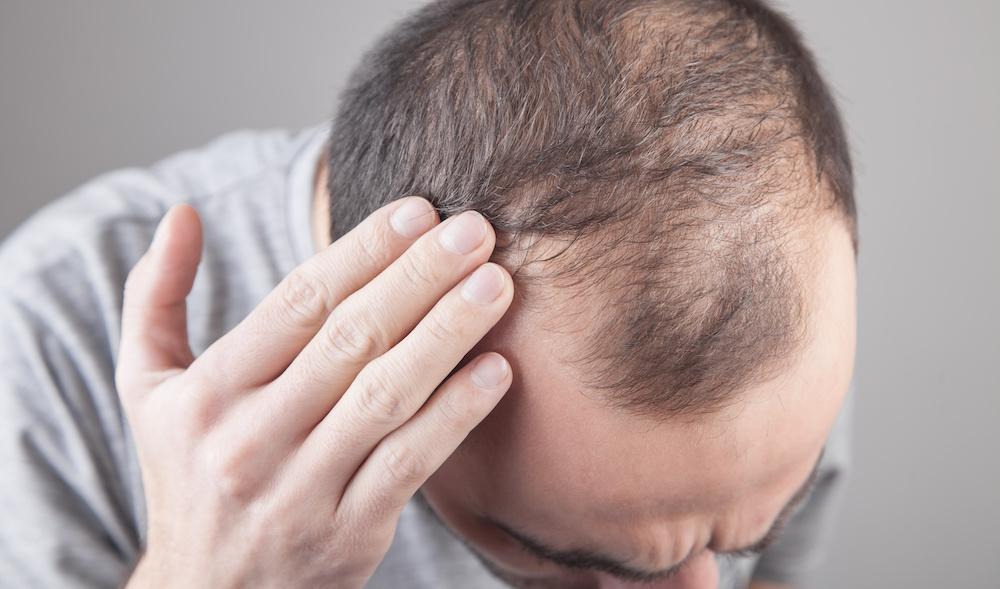
Hair loss depends entirely on which cancer treatment you’re receiving. Surgery alone, hormone therapy, most targeted therapies and immunotherapy generally don’t cause hair loss. Certain chemotherapy drugs and radiation to the head are the main causes, though not every chemo regimen leads to losing hair. When it does happen, hair fall usually starts two to four weeks after the first cycle, and almost all hair regrows within three to six months of finishing treatment.

According to Prof. Dr. Sandeep Nayak, Surgical Oncologist in India, “Hair loss is the side effect patients fear most, often more than the treatment itself. My job is to be honest about which regimens cause it, which don’t, and to remind patients that for the ones that do, the hair almost always comes back. It’s temporary, but the worry behind the question deserves a real answer, not a vague one.”

That worry about losing your hair deserves a straight answer, not a vague maybe.

What Causes Hair Loss in Cancer Treatment?

Not every treatment touches the hair follicles. Here’s what actually does.

  • Certain chemo: Drugs like doxorubicin, paclitaxel, docetaxel and cyclophosphamide commonly cause significant hair loss, while others like 5 FU or carboplatin usually cause only mild thinning.
  • Head radiation: Radiation to the head or brain causes hair loss in the treated area, often regrowing partially after, depending on the dose received.
  • Hormone tablets: Endocrine therapies like tamoxifen or aromatase inhibitors can cause mild thinning over months, but very rarely the dramatic loss seen with chemo.
  • Mostly safe: Surgery alone, most targeted therapies, immunotherapy and other supportive treatments generally don’t cause meaningful hair loss at all.

So whether you lose hair depends on which specific treatment is planned. For patients whose treatment plan includes surgery, robotic cancer surgery doesn’t cause hair loss on its own, since hair follicles aren’t affected by precise surgical removal.

What Should You Expect and How Can You Cope?

A clear picture and a few practical steps make a real difference.

  • Cut short: Many patients find cutting hair short before treatment starts makes the falling phase emotionally easier and less visually shocking.
  • Cold caps: Scalp cooling caps worn during chemo can reduce hair loss in some patients by narrowing the blood vessels reaching hair follicles, ask your oncologist if suitable.
  • Gentle care: Use mild shampoos, soft brushes, avoid heat styling, hair colour and chemical treatments through the months of chemo and early regrowth.
  • Plan ahead: Many patients arrange a wig, scarves or caps before hair falls, which often feels more confident than scrambling once the fall starts.

So preparation softens the experience. To understand what your specific treatment plan involves, our blog on chemo rounds for breast cancer explains how each cycle is decided and what side effects to expect along the way.

Why Choose Dr. Sandeep Nayak for Your Breast Cancer Care?

Dr. Sandeep Nayak brings 24 years of surgical oncology experience, DNB qualifications in Surgical Oncology and General Surgery and a fellowship in Laparoscopic and Robotic Onco Surgery to the care of patients through every stage of treatment. He takes time to explain exactly which parts of a plan affect hair, which don’t and what to expect, so patients can prepare rather than be caught off guard mid treatment.

That clear, honest explanation upfront is what makes treatment less overwhelming. Every case at MACS Clinic goes through a full tumour board, where the treatment plan is set together. Call +91 8104310753 to book your consultation.

Frequently Asked Questions

Will I lose hair with cancer treatment?

It depends on the specific treatment, not all cause hair loss.

Which treatments cause hair loss?

Mainly certain chemotherapy drugs and radiation to the head.

When does hair fall start?

Usually two to four weeks after starting chemotherapy.

Will my hair grow back?

Yes, almost always, within three to six months of finishing.

References:

  1. National Cancer Institute, Hair Loss (Alopecia) and Cancer Treatment. https://www.cancer.gov/
  2. World Health Organisation, Cancer. https://www.who.int/news-room/fact-sheets/detail/cancer

Call Now Button