Can Men Get Breast Cancer: Risks, Signs and Treatment

Can Men Get Breast Cancer: Risks, Signs and Treatment

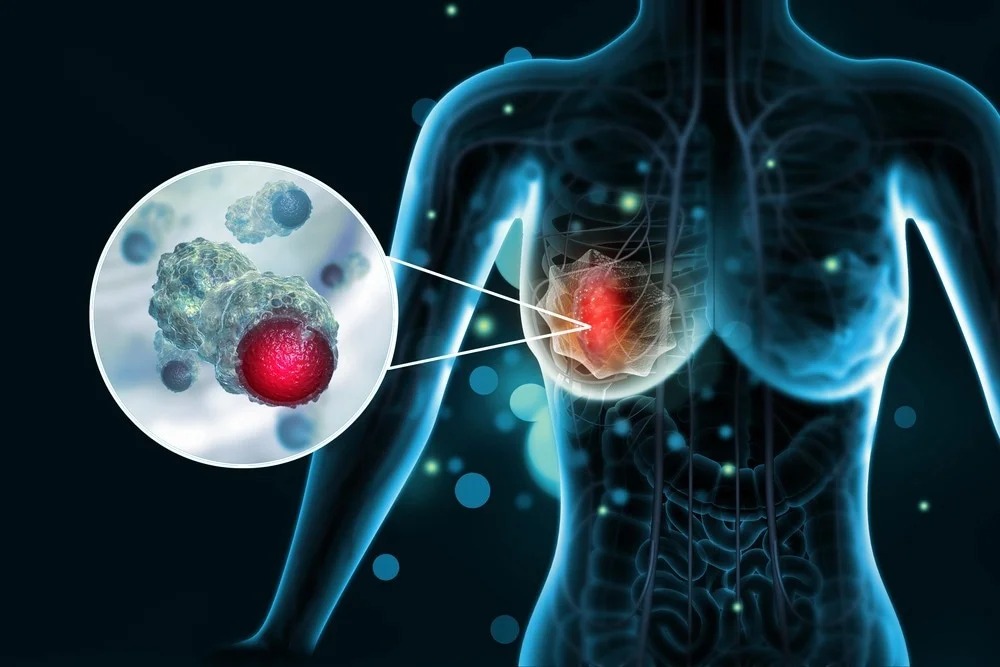
Men do have breast tissue and breast cancer develops in it more often than most people realise. The global incidence sits below 1% of all breast cancer cases but the disease is real, hormonally driven in the vast majority of cases and entirely treatable when caught at an early stage. The consistent clinical problem is late diagnosis: men dismiss chest lumps, clinicians consider other conditions first and by the time breast cancer is confirmed, the disease has had more time to progress than it should have.

According to Prof. Dr. Sandeep Nayak, Surgical Oncologist in India,
“Male breast cancer gets missed because nobody expects it. Men ignore lumps, clinicians consider other diagnoses first and by the time anyone thinks of cancer, the disease has had more time to grow than it needed.”

A man in your family has a chest lump that hasn’t been properly assessed?

What Puts Men at Higher Risk of Breast Cancer?

The risk profile in men overlaps significantly with female breast cancer but has specific characteristics that don’t always get discussed or screened for.

  • Elevated Oestrogen Levels: Conditions that raise oestrogen in men including liver disease, obesity, Klinefelter syndrome and certain medications push up breast cancer risk because male breast tissue is oestrogen-sensitive in exactly the same way female tissue is.
  • BRCA2 Mutation: A confirmed BRCA2 mutation significantly raises lifetime breast cancer risk in men and breast cancer treatment planning in mutation carriers should include regular breast surveillance from an early age rather than waiting for a lump to appear.
  • Age and Family History: Most male breast cancer cases are diagnosed after age 60 and a strong family history of breast or ovarian cancer on either side raises the index of suspicion, particularly when genetic mutations have already been identified in other family members.
  • Prior Chest Radiation: Men who received radiation to the chest for lymphoma or other cancers earlier in life carry meaningfully higher breast cancer risk as a late treatment effect something survivorship clinics should be actively monitoring for rather than leaving to chance.

Late diagnosis is the consistent pattern in male breast cancer and it isn’t because the disease behaves worse biologically but because no one looks for it early enough.

How Is Male Breast Cancer Diagnosed and Treated?

The diagnostic and treatment pathway mirrors female breast cancer closely but there are practical differences in how cases present and what surgery is appropriate.

  • Recognising the Signs: A firm painless lump beneath or near the nipple in a man over 50 that persists over a few weeks warrants clinical assessment without delay nipple discharge and skin changes are less common presentations but equally clinically significant when they appear.
  • Imaging and Biopsy: Ultrasound works better than mammography in men given lower tissue density and a core needle biopsy confirms whether cancer is present with receptor testing identifying which systemic treatments will work for that specific tumour’s biology.
  • Surgery: Modified radical mastectomy is the standard operative approach because the small volume of male breast tissue makes achieving reliable lumpectomy margins technically difficult in most cases and robotic cancer surgery or conventional open mastectomy is selected based on axillary node status and individual patient circumstances.
  • Systemic Treatment: The majority of male breast cancers are hormone receptor positive making tamoxifen the backbone of adjuvant therapy with chemotherapy and targeted therapy added based on stage, nodal burden and HER2 status using the same decision framework applied in female breast cancer.

Male breast cancer responds well to treatment when identified at an early stage and for more on how cancer surgery decisions are made in complex presentations, our blog on cytoreductive surgery covers surgical planning in detail.

Why Choose Dr. Sandeep Nayak for Breast Cancer Treatment ?

Dr. Sandeep Nayak brings 24 years of surgical oncology experience, DNB qualifications in Surgical Oncology and General Surgery and a fellowship in Laparoscopic and Robotic Onco-Surgery to breast cancer cases across all presentations including male breast cancer at KIMS Hospital, Bangalore. He heads Oncology Services across Karnataka with originator credits for RABIT and over 25 published clinical studies. Patients with unusual breast presentations or cases not properly evaluated elsewhere are seen here with every decision going through tumour board review. Call +91 8104310753 to book your consultation.

Frequently Asked Questions

How common is breast cancer in men in India?

Male breast cancer accounts for under 1% of all breast cancer cases making it rare but clinically significant when it occurs.

What is the most common sign of breast cancer in men?

A firm painless lump beneath or near the nipple is the most frequent presenting feature in male breast cancer cases.

Is male breast cancer treated the same way as female breast cancer?

The treatment principles are similar though mastectomy is standard for men and tamoxifen is the primary hormonal therapy used.

Do BRCA mutations increase breast cancer risk in men?

BRCA2 mutations significantly raise lifetime breast cancer risk in men and warrant active surveillance from an early age onward.

References

    1. National Cancer Institute — Male Breast Cancer Treatment
    2. World Health Organization — Breast Cancer
  • Disclaimer: The information shared in this content is for educational purposes and not for promotional use.

Neoadjuvant Chemotherapy in Breast Cancer

Neoadjuvant Chemotherapy in Breast Cancer

Neoadjuvant chemotherapy is chemotherapy given before surgery rather than after. The idea is to shrink the tumour while it’s still in the breast, making the operation technically easier and in some cases turning a mastectomy into a breast-conserving procedure. It also lets the oncology team watch how the cancer responds to treatment in real time information that shapes everything that happens next.

According to Prof. Dr. Sandeep Nayak, Surgical Oncologist in India,
“Neoadjuvant chemotherapy doesn’t just shrink the tumour it tells us how the cancer behaves under treatment, which is some of the most useful clinical information we can have before operating.”

Trying to understand why chemotherapy has been recommended before surgery?

Why Is Chemotherapy Given Before Surgery in Breast Cancer?

Giving chemotherapy first rather than operating straight away has specific clinical advantages that have made it standard practice for certain breast cancer presentations.

  • Tumour Downstaging: A large tumour that would require mastectomy may shrink enough after chemotherapy to allow lumpectomy instead, which is a meaningfully different outcome for the patient in terms of body image, recovery and long-term quality of life.
  • Real-Time Response Data: Watching how the tumour changes during chemotherapy tells the team exactly how sensitive that cancer is to systemic treatment a complete pathological response after neoadjuvant therapy carries a significantly better prognosis than partial response.
  • Nodal Clearance: Chemotherapy can clear involved lymph nodes before surgery in some patients, converting node-positive disease to node-negative and reducing the extent of axillary surgery needed, which directly reduces the risk of lymphoedema after the operation.
  • Treatment of Micrometastases: Breast cancer treatment that starts systemically before any surgical disruption addresses microscopic disease elsewhere in the body earlier than adjuvant chemotherapy given post-operatively would.

Patient selection for neoadjuvant chemotherapy is driven by tumour biology, stage and receptor status rather than a blanket policy of treating before operating across all breast cancer cases.

Which Patients Are Recommended Neoadjuvant Chemotherapy?

The approach isn’t used for every breast cancer patient the clinical team looks at specific tumour characteristics before making neoadjuvant therapy part of the plan.

  • Triple Negative and HER2 Positive Cancers: These subtypes respond particularly well to chemotherapy and targeted agents given upfront, and the pathological response rate after neoadjuvant treatment in HER2-positive disease is high enough that it has become the standard sequence rather than the exception.
  • Locally Advanced Disease: When the tumour involves the skin, chest wall or multiple lymph nodes at presentation, operating first without reducing the disease burden carries higher complication rates and lower likelihood of achieving clear margins.
  • Inflammatory Breast Cancer: Surgery never opens the treatment plan in IBC chemotherapy always comes first because the disease has already spread through the dermal lymphatics and operating into that environment before systemic treatment has worked is clinically inappropriate.
  • Borderline Operable Cases: Some tumours sit close to structures that make immediate surgery technically risky, and a course of chemotherapy that moves the tumour away from those structures can convert an unsafe operation into a straightforward one for robotic cancer surgery or conventional open approaches.

The response to neoadjuvant chemotherapy is assessed mid-way through treatment and the plan gets adjusted if the tumour isn’t responding as expected, and for more on what breast surgery involves after chemotherapy, our blog on breast reconstruction covers post-surgical options in detail.

Why Choose Dr. Sandeep Nayak for Breast Cancer Treatment ?

Dr. Sandeep Nayak brings 24 years of surgical oncology experience, DNB qualifications in Surgical Oncology and General Surgery and a fellowship in Laparoscopic and Robotic Onco-Surgery to breast cancer cases requiring neoadjuvant chemotherapy followed by complex surgical planning. He heads Oncology Services across Karnataka and leads breast cancer surgery at KIMS Hospital, Bangalore, with originator credits for RABIT and over 25 published clinical studies. Patients who need clarity on treatment sequencing or a second opinion on whether neoadjuvant chemotherapy is appropriate for their case are seen here with every decision going through tumour board review. Call +91 8104310753 to book your consultation.

Frequently Asked Questions

How many cycles of neoadjuvant chemotherapy are typically given?

Most neoadjuvant regimens run between four and eight cycles over three to six months before surgery is scheduled.

What happens if the tumour doesn't respond to neoadjuvant chemotherapy?

The oncology team reassesses mid-treatment and may switch regimens or proceed to surgery if response is inadequate.

Does neoadjuvant chemotherapy increase surgical complications?

Properly timed neoadjuvant therapy does not increase surgical complication rates and in many cases makes the operation technically safer.

Can neoadjuvant chemotherapy eliminate cancer completely before surgery?

A complete pathological response no residual cancer in the surgical specimen occurs in a significant proportion of HER2-positive and triple-negative breast cancer cases.

References

    1. National Cancer Institute — Breast Cancer Treatment
    2. National Institutes of Health — Neoadjuvant Therapy in Breast Cancer
  • Disclaimer: The information shared in this content is for educational purposes and not for promotional use.
What Are Early Signs of Breast Cancer to Watch For ?

What Are Early Signs of Breast Cancer to Watch For ?

Most people associate breast cancer with a lump and stop looking there. The reality is that early breast cancer shows itself in several different ways and some of the most important warning signs have nothing to do with a mass that can be felt. Skin changes, nipple behaviour, axillary swelling and unexplained breast asymmetry all appear before a tumour becomes palpable in some cases and noticing them early genuinely changes what treatment can achieve.

According to Prof. Dr. Sandeep Nayak, Surgical Oncologist in India,
“The women who come in early are the ones who noticed something felt different — not always a lump, sometimes a dimple, a nipple change, a heaviness that wasn’t there before and acted on it rather than waiting.”

Something has changed in the breast and it hasn’t resolved on its own?

What Physical Changes Should Raise Concern Immediately?

Several changes in and around the breast warrant urgent clinical assessment rather than a period of watching and waiting.

  • A New Lump or Thickening: Any lump that appears in the breast or underarm and doesn’t move freely, feels harder than the surrounding tissue or has appeared recently in a woman over 35 needs imaging and clinical assessment without delay rather than monitoring at home.
  • Skin Dimpling or Puckering: When the skin over the breast develops an indentation, pulls inward or takes on an orange-peel texture called peau d’orange, it often reflects cancer cells blocking the lymphatics beneath the skin surface and breast cancer treatment needs to begin as soon as possible once confirmed.
  • Nipple Changes: Retraction of a nipple that previously pointed outward, new asymmetry between the two nipples or any persistent nipple discharge particularly if bloodstained and from a single duct are changes that need assessment rather than reassurance.
  • Unexplained Breast Pain: Cyclical breast pain tied to the menstrual cycle is usually benign but pain that persists through the cycle, localises to one specific area and doesn’t change over weeks is clinically significant and deserves investigation.

None of these signs confirms cancer on its own but any of them appearing without a clear benign explanation should bring a woman to a specialist rather than a general practitioner for initial assessment.

What Subtler Signs Do Women Often Miss or Dismiss?

Some early breast cancer signs are subtle enough that women normalise them for months before seeking assessment, which costs time the disease uses to progress.

  • Breast Size or Shape Change: A gradual change in the size, contour or feel of one breast that has no obvious explanation not related to the menstrual cycle, weight change or hormonal shifts is worth investigating clinically rather than attributing to normal variation.
  • Skin Redness or Warmth: Persistent redness and warmth in the breast without fever or systemic illness can indicate inflammatory breast cancer, a rare but aggressive type that mimics infection so closely that many women complete antibiotic courses before anyone considers a cancer diagnosis.
  • Axillary Lymph Node Swelling: A firm, non-tender lump under the arm that hasn’t appeared after an infection or injury may reflect lymph node involvement from an early-stage breast tumour that hasn’t yet become palpable in the breast itself.
  • Vein Prominence: Veins that become suddenly more visible on one breast without a clear explanation like recent weight loss or pregnancy can occasionally reflect increased blood flow to a growing tumour, something robotic cancer surgery teams assess alongside clinical and imaging findings during initial workup.

Subtle signs get dismissed precisely because they don’t match what women expect breast cancer to look like, and for more on how breast cancer is formally assessed once a concern is raised, our blog on latissimus dorsi covers what follows diagnosis and surgery in detail.

Why Choose Dr. Sandeep Nayak for Breast Cancer Treatment ?

Dr. Sandeep Nayak brings 24 years of surgical oncology experience, DNB qualifications in Surgical Oncology and General Surgery and a fellowship in Laparoscopic and Robotic Onco-Surgery to every breast cancer case from early detection through to complex surgical management. He heads Oncology Services across Karnataka and leads breast cancer surgery at KIMS Hospital, Bangalore, with originator credits for RABIT and over 25 published clinical studies. Patients with concerns about early breast changes or an assessment that hasn’t given them clarity are seen here with every decision going through tumour board review. Call +91 8104310753 to book your consultation.

Frequently Asked Questions

At what age should women start checking for breast cancer signs?

Self-examination from age 20 and annual clinical examination from 30 with mammography screening starting at 40 is the standard approach.

Do early breast cancer signs always include a lump?

Several early presentations involve no palpable lump at all skin changes, nipple retraction and axillary swelling all precede a detectable mass in some cases.

How quickly should a breast change be assessed by a specialist?

Any new breast change that persists beyond two to three weeks without a clear benign explanation warrants specialist assessment without further delay.

Can breast pain alone indicate cancer?

Cyclical pain is usually benign but persistent localised pain that doesn’t follow the menstrual cycle pattern deserves clinical investigation.

References

    1. National Cancer Institute — Breast Cancer Symptoms
    2. World Health Organization — Breast Cancer Early Detection
  • Disclaimer: The information shared in this content is for educational purposes and not for promotional use.
Does Breast Cancer Occur in Men ?

Does Breast Cancer Occur in Men ?

Breast cancer in men is rare but real. Men have breast tissue and that tissue can develop malignant cells the same way it does in women the difference is how infrequently it happens and how poorly recognised it remains. Most men who develop breast cancer are diagnosed late because neither they nor the clinicians they see consider it a likely diagnosis when a lump appears in the chest.

According to Prof. Dr. Sandeep Nayak, Surgical Oncologist in India,
“Male breast cancer gets missed because nobody expects it men dismiss lumps, clinicians consider other diagnoses first and by the time anyone thinks cancer, the disease has had more time to progress than it should have.”

A man in your life has a chest lump that hasn’t been properly assessed?

What Causes Breast Cancer in Men and Who Is at Risk?

The biology isn’t fundamentally different from female breast cancer but the risk factors have some distinct characteristics worth knowing.

  • Hormonal Imbalance: Conditions that raise oestrogen levels in men including liver disease, obesity, Klinefelter syndrome and certain medications increase breast cancer risk because male breast tissue responds to oestrogen in the same way female tissue does.
  • BRCA2 Mutations: Men carrying a BRCA2 mutation have a significantly elevated lifetime breast cancer risk compared to the general male population, and breast cancer treatment discussions in confirmed carriers should include breast surveillance from a relatively early age.
  • Age and Family History: Most male breast cancers are diagnosed after 60 and a family history of breast cancer on either side raises risk, particularly when BRCA mutations are present or suspected across multiple generations.
  • Prior Radiation: Men who received chest radiation for other cancers earlier in life carry higher breast cancer risk as a late effect of that treatment, a consideration that becomes clinically relevant during long-term cancer survivorship follow-up.

Risk is low overall but understanding it matters because late diagnosis is what consistently produces worse outcomes in male breast cancer compared to equivalent stage disease in women.

How Is Male Breast Cancer Diagnosed and Treated?

The diagnostic and treatment pathway follows broadly similar principles to female breast cancer but with some practical differences in how cases present and are managed.

  • What to Look For: A firm lump under or near the nipple is the most common presenting feature nipple discharge, skin changes and nipple retraction also occur but a painless subareolar lump in a man over 50 that doesn’t resolve warrants urgent assessment.
  • Diagnosis: Ultrasound is more useful than mammography in men given lower tissue volume, core needle biopsy confirms the diagnosis and receptor and HER2 testing shapes the systemic treatment plan just as it does in female breast cancer.
  • Surgery: Modified radical mastectomy is the standard operative approach for most men because the small amount of breast tissue means lumpectomy rarely achieves adequate margins, and robotic cancer surgery or conventional open surgery is chosen based on axillary involvement and patient factors.
  • Systemic Treatment: Most male breast cancers are hormone receptor positive so tamoxifen is the cornerstone of adjuvant therapy chemotherapy and targeted agents are added based on stage, nodal involvement and HER2 status following the same principles used in female breast cancer management.

Male breast cancer is fully treatable when caught at an early stage and the clinical approach parallels what works in women, and for more on how breast surgery and reconstruction options connect, our blog on breast reconstruction covers this in detail.

Why Choose Dr. Sandeep Nayak for Breast Cancer Treatment ?

Dr. Sandeep Nayak brings 24 years of surgical oncology experience, DNB qualifications in Surgical Oncology and General Surgery and a fellowship in Laparoscopic and Robotic Onco-Surgery to breast cancer cases across all presentations including male breast cancer. He heads Oncology Services across Karnataka and leads breast cancer surgery at KIMS Hospital, Bangalore, with originator credits for RABIT and over 25 published clinical studies. Patients seeking assessment for unusual breast presentations or a second opinion on diagnosis are seen here with every decision going through tumour board review. Call +91 8104310753 to book your consultation.

Frequently Asked Questions

How common is breast cancer in men in India?

Male breast cancer accounts for less than 1% of all breast cancer cases, making it rare but not impossible.

What is the most common symptom of breast cancer in men?

A firm painless lump beneath or near the nipple is the most frequent presenting feature in male breast cancer.

Is breast cancer in men treated differently from women?

The principles are similar but mastectomy is standard for men and tamoxifen is the primary hormonal treatment used.

Can men with BRCA mutations develop breast cancer?

Yes, BRCA2 mutations significantly raise male breast cancer risk and warrant active surveillance and clinical monitoring.

References

    1. National Cancer Institute — Male Breast Cancer
    2. World Health Organization — Breast Cancer Overview
  • Disclaimer: The information shared in this content is for educational purposes and not for promotional use.
What Is Inflammatory Breast Cancer ?

What Is Inflammatory Breast Cancer ?

Inflammatory breast cancer is one of the rarest but most aggressive forms of breast cancer. It doesn’t usually present as a lump instead the breast becomes red, warm, swollen and heavy, which is why it gets mistaken for mastitis or an infection far more often than any other breast cancer type. That misdiagnosis costs time, and with IBC time genuinely matters more than with most other breast cancers.

According to Prof. Dr. Sandeep Nayak, Surgical Oncologist in India,
“IBC is dangerous precisely because it doesn’t look like what most people expect breast cancer to look like the absence of a lump doesn’t mean the absence of cancer, and any breast that’s suddenly red, swollen and warm needs urgent assessment.”

Breast changes that don’t feel right and aren’t responding to antibiotics?

How Is Inflammatory Breast Cancer Different From Other Types?

IBC behaves differently from typical breast cancer in almost every clinically relevant way presentation, spread pattern and treatment sequence all diverge from the standard picture.

  • No Lump Present: Most breast cancers announce themselves through a palpable mass IBC spreads through the skin lymphatics instead, causing the overlying skin to thicken into an orange-peel texture called peau d’orange that’s pathognomonic for this diagnosis.
  • Rapid Progression: Symptoms appear and worsen over weeks rather than months, and breast cancer treatment for IBC always starts with chemotherapy rather than surgery because operating before systemic treatment rarely produces the outcomes the patient needs.
  • Already Stage 3 at Diagnosis: By the time IBC is confirmed the disease is classified as at least locally advanced the cancer has already involved dermal lymphatics which means it has spread beyond a single tumour site even before staging scans are completed.
  • Mistaken for Infection: The redness, warmth and swelling look identical to mastitis and many patients complete a full course of antibiotics before anyone considers a cancer diagnosis the key difference is that infection improves with antibiotics and IBC doesn’t.

Getting to a correct diagnosis quickly is what determines whether the treatment plan can stay ahead of the disease or ends up chasing it.

How Is IBC Diagnosed and Treated?

Diagnosis requires clinical suspicion first imaging and biopsy confirm it but a clinician has to consider the possibility before any test gets ordered.

  • Skin Punch Biopsy: Because there’s often no discrete lump to sample, a punch biopsy of the thickened skin confirms cancer cells in the dermal lymphatics and establishes the IBC diagnosis when clinical presentation already suggests it strongly.
  • Staging Scans: PET-CT is preferred for IBC staging because the disease spreads early and conventional CT sometimes underestimates nodal and distant involvement in a cancer that moves through lymphatic channels rather than forming a contained mass.
  • Neoadjuvant Chemotherapy First: Surgery never opens an IBC treatment plan chemotherapy comes first to reduce disease burden and assess how the cancer responds to systemic treatment before the surgical team considers what operation is appropriate.
  • Modified Radical Mastectomy: When chemotherapy has achieved sufficient response, robotic cancer surgery or conventional modified radical mastectomy removes the breast and axillary nodes, followed by radiation to the chest wall because breast-conserving surgery isn’t appropriate for IBC regardless of how well the cancer has responded.

Treatment for IBC is long, intensive and requires a team that understands the condition it’s not managed the same way as standard breast cancer, and for more on breast cancer surgery options overall, our blog on breast reconstruction covers post-surgical considerations in detail.

Why Choose Dr. Sandeep Nayak for Breast Cancer Treatment ?

Dr. Sandeep Nayak brings 24 years of surgical oncology experience, DNB qualifications in Surgical Oncology and General Surgery and a fellowship in Laparoscopic and Robotic Onco-Surgery to complex breast cancer cases including inflammatory presentations. He heads Oncology Services across Karnataka and leads breast cancer surgery at KIMS Hospital, Bangalore, with originator credits for RABIT and over 25 published clinical studies. Patients with suspected IBC or unusual breast cancer presentations that haven’t been properly assessed elsewhere are seen here with every decision going through tumour board review. Call +91 8104310753 to book your consultation.

Frequently Asked Questions

Can inflammatory breast cancer be mistaken for an infection?

Yes, it frequently is the key difference is that IBC doesn’t improve with antibiotics the way mastitis does.

Is inflammatory breast cancer always treated with chemotherapy first?

Yes, neoadjuvant chemotherapy always precedes surgery in IBC regardless of how early the diagnosis is made.

diagnosis is made. Can lumpectomy be used for inflammatory breast cancer?

No, breast-conserving surgery is not appropriate for IBC modified radical mastectomy followed by radiation is standard.

How fast does inflammatory breast cancer progress?

Symptoms typically develop and worsen over weeks rather than months, making early assessment urgent.

References

    1. National Cancer Institute — Inflammatory Breast Cancer
    2. National Institutes of Health — IBC Diagnosis and Treatment
  • Disclaimer: The information shared in this content is for educational purposes and not for promotional use.