
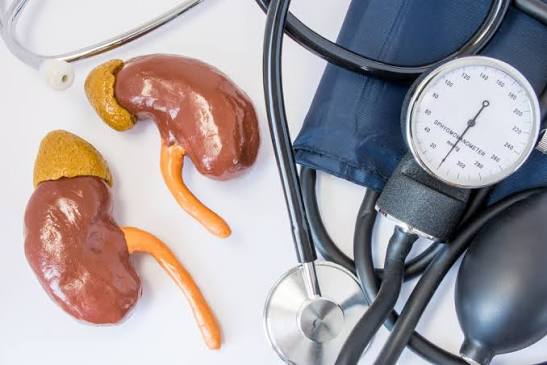
Adrenal tumours can absolutely cause high blood pressure, and they do it through three different hormones. Too much aldosterone drives sustained, hard to control hypertension. Too much adrenaline causes dramatic spikes. Too much cortisol pushes pressure up as well. Here’s what makes this matter: unlike ordinary high blood pressure, this kind can often be cured by removing the tumour. It’s worth looking for.
According to Dr. Sandeep Nayak, Surgical Oncologist in India, “This is one of the most important things people miss about high blood pressure. When someone’s pressure won’t come down despite several medications, or they’re young, or their potassium is low, I want to know if an adrenal tumour is behind it. Because if it is, we can often cure it, not just manage it. Aldosterone excess especially is far more common than people realise, and it’s fixable.”
Struggling with blood pressure that won’t come down?
How Do Adrenal Tumours Raise Blood Pressure?
Three separate hormone problems, from three types of adrenal tumour, each push pressure up in their own way.
- Aldosterone excess : Primary aldosteronism, or Conn’s syndrome, makes the body hold onto salt and water. It causes steady, stubborn hypertension, often with low potassium.
- Adrenaline excess : A pheochromocytoma floods the body with adrenaline, causing dramatic, episodic blood pressure spikes alongside headaches, sweating and palpitations.
- Cortisol excess : Cushing’s syndrome, from a cortisol producing tumour, raises blood pressure too, usually with weight gain, easy bruising and other distinctive changes.
- The common thread : In each, a hormone from an adrenal tumour is the root cause. Treat the tumour, and the pressure problem often resolves.
Identifying which hormone is involved is central to proper adrenal tumor treatment, since each type is confirmed and treated differently.
Why Does This Matter So Much?
The reason this is worth chasing down comes down to one word, curable.
- A curable cause : Most high blood pressure is managed for life with tablets. Adrenal hypertension can often be cured outright by removing the tumour.
- Commonly missed : Primary aldosteronism in particular is far more common than once thought, yet frequently goes untested. Many people never get the diagnosis.
- Who to test : Resistant hypertension, needing several drugs, high blood pressure at a young age, or low potassium, all should prompt testing for an adrenal cause.
- Real consequences : Left undiagnosed, these hormone excesses damage the heart and kidneys over time. Finding the tumour protects far more than blood pressure alone.
Understanding the different growths involved, covered in our guide on adrenal gland tumours, explains why testing the right people matters so much.
Why Choose Dr. Sandeep Nayak for Adrenal Tumor Care?
Dr. Sandeep Nayak is a surgical oncologist with 24 years behind him and a fellowship in laparoscopic and robotic onco-surgery. He treats the full range of hormone producing adrenal tumours, from aldosterone and cortisol secreting adenomas to pheochromocytoma, using minimally invasive adrenalectomy. The approach starts with pinning down exactly which hormone is driving the blood pressure, since accurate diagnosis is what makes a cure possible rather than lifelong medication.
The rewarding part of adrenal hypertension is how often it can be cured. A patient who’s struggled for years on multiple blood pressure drugs can sometimes come off them entirely after the right tumour is removed. That outcome depends on someone thinking to test for it, confirming the hormone involved, and removing the tumour safely. Recognising when high blood pressure has an adrenal cause, and acting on it, is what turns lifelong management into an actual cure.
Frequently Asked Questions
Can adrenal tumors cause high blood pressure?
Yes. Through aldosterone, adrenaline or cortisol excess, adrenal tumours can drive hypertension.
Which adrenal tumor most commonly raises blood pressure?
Primary aldosteronism, or Conn syndrome, is the commonest curable adrenal cause.
Is this type of high blood pressure curable?
Often yes. Removing the tumour can cure or greatly improve the hypertension.
Who should be tested for it?
People with resistant, young onset or low potassium hypertension should be tested.
References
- Primary aldosteronism and curable hypertension — National Library of Medicine
- Endocrine causes of secondary hypertension — National Library of Medicine
Disclaimer: This blog is for informational and educational purposes only and is not a substitute for professional medical advice or diagnosis.
