
10 Warning Signs of Liver Disease You Should Never Ignore

10 Warning Signs of Liver Disease You Should Never Ignore

Liver disease encompasses a range of conditions that affect the liver’s ability to function correctly, leading to serious health problems if left untreated. Chronic liver disease, including conditions like cirrhosis, fatty liver, and hepatitis, can silently progress without noticeable symptoms in the early stages. However, when symptoms do arise, they can indicate liver damage that requires immediate attention.

Dr. Sandeep Nayak, a prominent surgical oncologist in India practising in Bangalore, explains:

“Liver disease often goes unnoticed in its early stages, but when symptoms appear, they should not be ignored. Timely intervention can prevent further liver damage and improve treatment outcomes.”

Dr. Nayak is renowned for offering cutting-edge, minimally invasive solutions for liver disease and liver cancer treatment at MACS Clinic in Bangalore. With years of expertise, he provides comprehensive diagnostic and therapeutic options, ensuring patients receive the highest standard of care for liver-related conditions.

In this blog, we will explore the 10 warning signs of liver disease that you should never ignore, helping you recognize when it’s time to seek medical advice.

What Is Liver Disease?

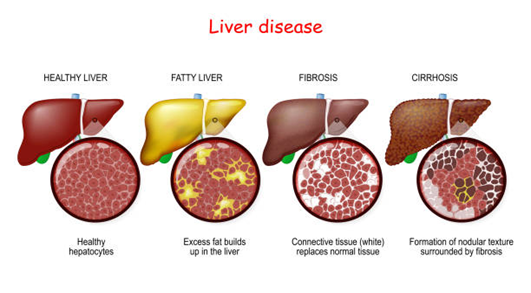
Liver disease refers to any condition that impairs the liver’s ability to function correctly. The liver is responsible for vital processes, including detoxifying harmful substances, producing bile for digestion, storing nutrients, and regulating various hormones. When the liver is damaged by conditions such as fatty liver disease, hepatitis, cirrhosis, or liver cancer, its ability to perform these functions is compromised, leading to severe health complications.
Is liver disease treatable, and can it be cured? Let’s explore this critical question.

Can Liver Disease Be Cured?

Whether liver disease can be cured depends on the type and stage of the condition. For conditions like non-alcoholic fatty liver disease (NAFLD) or hepatitis, lifestyle changes, medications, and regular monitoring can help manage the disease effectively. However, in cases of advanced liver disease, such as cirrhosis or liver cancer, a cure may not be possible, but treatments can slow progression and alleviate symptoms.

“In certain cases, a liver transplant may be necessary, particularly in patients with end-stage liver failure. Timely intervention and early diagnosis play a significant role in improving outcomes and preventing irreversible damage,” states Dr. Sandeep Nayak, a leading cancer specialist in India.

Why is early detection so important when it comes to liver disease? Let’s discuss.

Why Early Detection Matters

Early detection of liver disease is crucial because many liver conditions do not show symptoms until significant damage has occurred. In the early stages, the liver has a remarkable ability to regenerate, making it more responsive to treatment. Identifying liver disease early can prevent progression to more severe stages, reduce the need for invasive treatments, and improve the overall prognosis.
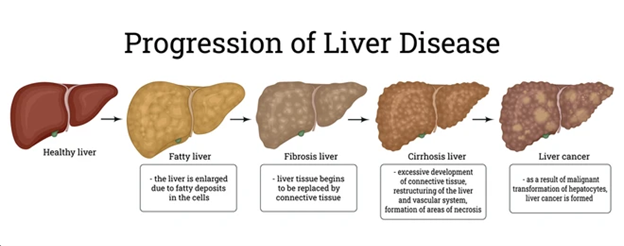
For example, detecting hepatitis or fatty liver disease early allows for lifestyle modifications and medications that can reverse liver damage. However, once cirrhosis or liver cancer develops, the treatment options become more limited, and the chances of a full recovery decrease.

Want to ensure early detection? Schedule a screening with a specialist to monitor your liver health.

What genes are associated with hereditary colorectal cancer, and how do they contribute to cancer risk? Let’s explore the key genes involved.

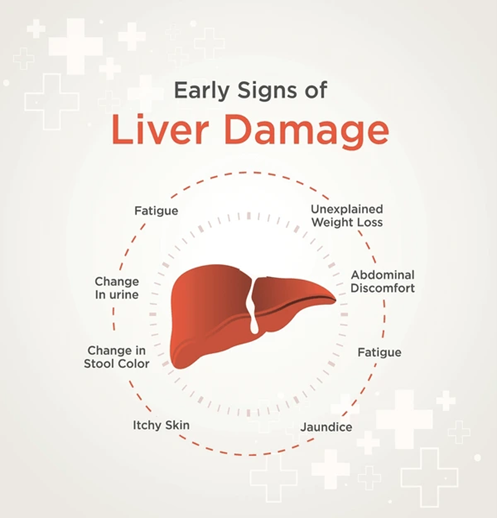
10 Common Warning Signs to Watch For
    Specific gene mutations can make an individual susceptible to developing this cancer by disrupting the body’s ability to repair damaged DNA or regulate cell growth. To start with, some of the significant genes linked to hereditary forms of CRC include:

    Jaundice

    Yellowing of the skin or eyes is one of the most common signs of liver disease, indicating that the liver is not correctly processing bilirubin.

    Fatigue

    Feeling unusually tired or weak can be a sign that the liver is struggling to detoxify your body.

    Abdominal pain and swelling

    Pain in the upper right abdomen or swelling from fluid retention (ascites) can indicate liver inflammation or cirrhosis.

    Loss of appetite

    A sudden loss of appetite or unexplained weight loss can be a sign of liver dysfunction.

    Nausea and vomiting

    Persistent nausea or vomiting may be a symptom of liver disease, especially if paired with other warning signs.

    Itchy skin

    Persistent itching, particularly on the hands and feet, can be caused by bile buildup in the bloodstream, often due to liver problems.

    Dark urine

    Dark urine can indicate that your liver is not filtering toxins properly, leading to an accumulation of bilirubin.

    Pale stools

    Light-colored or clay-colored stools may suggest a problem with bile production, indicating liver disease.

    Easy bruising or bleeding:

    Liver dysfunction can affect blood clotting factors, leading to bruising or prolonged bleeding.

    Confusion or disorientation:

    Known as hepatic encephalopathy, confusion or memory issues can occur when the liver can no longer remove toxins from the bloodstream.

    When should you seek expert advice for potential liver disease? Let’s break it down.

    When to Seek Medical Help

    If you notice any of the warning signs of liver disease mentioned above, it’s essential to seek medical help as soon as possible. If you have a family history of liver disease or are at high risk due to factors such as heavy alcohol consumption, obesity, or viral infections like hepatitis, early screening is recommended even if you don’t experience symptoms.

    Dr. Sandeep Nayak, a distinguished surgical oncologist in Bangalore, advises, “Do not ignore persistent symptoms such as jaundice, unexplained fatigue, or abdominal pain, as they may be early indicators of liver dysfunction. Seeking help early can lead to better management of the disease and potentially prevent more severe outcomes like cirrhosis or liver cancer.”

    How is liver disease diagnosed, and what tests are involved? Let’s take a look.

    How Liver Disease Is Diagnosed

    Liver disease is diagnosed through a combination of medical history, physical exams, and diagnostic tests. Some common diagnostic tools include:

    Ultrasound

    An imaging test that provides a clear picture of the liver and can help detect abnormalities, such as tumors or fatty liver.

    Blood tests

    Liver function tests (LFTs) measure the levels of enzymes and proteins in the blood to assess liver damage.

    CT scan or MRI

    These imaging techniques provide detailed images of the liver to identify structural problems or signs of liver cancer.
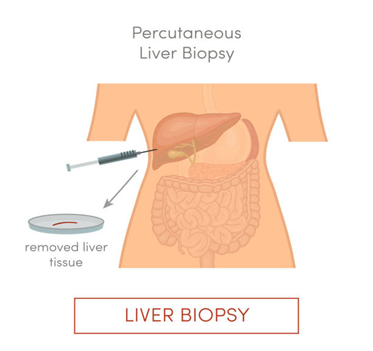
    Liver biopsy

    In some cases, a small liver tissue sample may be taken to assess the extent of damage or inflammation.
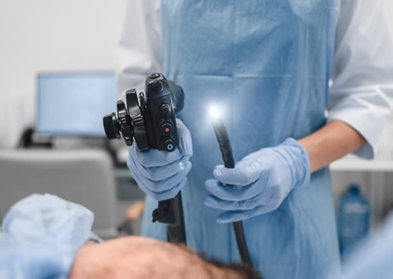
    Endoscopy

    If cirrhosis is suspected, an endoscopy may be done to check for varices or bleeding in the esophagus.

    Conclusion

    Liver disease can often develop silently, with few noticeable symptoms in its early stages. Recognizing the warning signs of liver disease early and seeking timely medical intervention can significantly improve the chances of successful treatment and prevent the progression of the disease. At MACS Clinic, Dr. Sandeep Nayak offers personalized care and cutting-edge diagnostic tools to identify and treat liver disease early, ensuring the best outcomes for his patients.

    Concerned about liver disease? Visit a seasoned professional for an early screening and personalized treatment plan.

    Frequently Asked Questions

    1. What are the symptoms of a bad liver?

    Symptoms of liver dysfunction include jaundice, fatigue, abdominal pain, loss of appetite, and swelling in the abdomen or legs.

    2. How can I improve liver function?

    Improving liver function involves maintaining a healthy diet, exercising regularly, avoiding alcohol, and getting vaccinated against hepatitis.

    3. What is Stage 1 liver disease?

    Stage 1 liver disease, such as fatty liver, often has no symptoms but is a precursor to more serious conditions like cirrhosis if left untreated.

    4. What are the three early warning signs of liver disease?

    The three early warning signs of liver disease are fatigue, abdominal discomfort, and jaundice (yellowing of the skin or eyes).

    5. How do you cure liver disease?

    While some forms of liver disease can be managed with lifestyle changes and medications, more severe cases may require a liver transplant or other advanced treatments.

    Reference links:

    https://my.clevelandclinic.org/health/diseases/17179-liver-disease

    https://britishlivertrust.org.uk/information-and-support/liver-health-2/symptoms-of-liver-disease/

    Disclaimer: The information shared in this content is for educational purposes and not for promotional use.
    Understanding the Link Between Family History and Colorectal Cancer

    Understanding the Link Between Family History and Colorectal Cancer

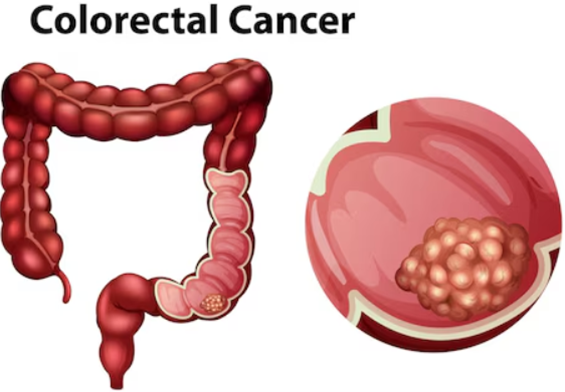
    Colorectal cancer (CRC) is one of the most prevalent cancers globally, affecting both men and women. According to global statistics, colorectal cancer is the third most common cancer diagnosed worldwide. In India, the incidence of CRC has been rising, particularly among younger individuals. While lifestyle factors such as diet, physical activity, and smoking contribute to the development of colorectal cancer, family history is a key factor in determining an individual’s risk.

    According to Dr. Sandeep Nayak, an internationally acclaimed surgical oncologist in India:

    “A strong family history of colorectal cancer can significantly increase the risk of developing the disease. It’s important to identify individuals at higher risk so that preventive measures and early screenings can be implemented.”

    At MACS Clinic, Dr. Sandeep Nayak and his team aim to provide the best cancer treatment in Bangalore, including personalized care for colorectal cancer patients. With years of experience and expertise, team MACS offers a comprehensive approach to cancer care, focusing on early diagnosis and effective treatment plans tailored to each patient’s needs.

    First, let’s begin by understanding the basics of colorectal cancer and how it develops.

    What is Colorectal Cancer?

    Colorectal cancer, or CRC, begins in either the colon or rectum and typically arises from polyps that are present in these regions and have the potential to become cancerous. It mainly presents as adenocarcinoma but can rarely result in other forms of cancer as well.

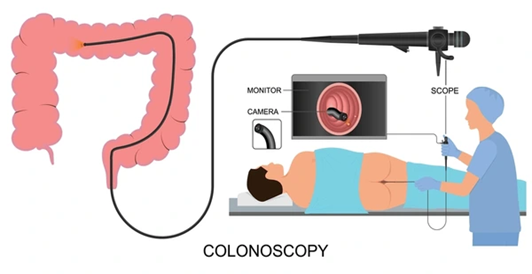
    Risk factors include age, a sedentary lifestyle, poor diet, and family history. Early detection through screenings like colonoscopies can significantly improve outcomes by identifying precancerous growths before they turn into cancer.

    How does family history contribute to the risk of developing colorectal cancer? Let’s explore this connection in detail.

    The Role of Family History in Colorectal Cancer

    Having a family history of colorectal cancer entails having a first-degree relative, such as a parent, sibling, or child, diagnosed with the condition. Research has proven that an individual is at high risk of being afflicted with the condition if close relatives like parents, siblings, or children have had colorectal cancer. This risk increases with the number of affected family members and their age at diagnosis.

    Family history can reveal genetic mutations that increase the risk of colorectal cancer. Families need to undergo early screening and follow a healthy lifestyle. The risk is even higher when multiple family members are diagnosed, especially at a younger age.

    Concerned about your family history and colorectal cancer? Reach out to a specialist to assess your risk and discuss your preventive care options.

    How does family history contribute to the risk of developing colorectal cancer? Let’s explore this connection in detail.

    The Role of Family History in Colorectal Cancer

    The genetic inheritance of specific mutations plays a key role in the increased risk of colorectal cancer among individuals with a family history. These mutations can affect genes related to cell growth.

    Various genetic disorders can increase the risk of colorectal cancer, including:

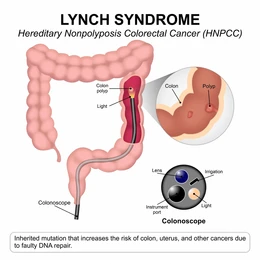
    Hereditary Non-Polyposis Colorectal Cancer (HNPCC) or Lynch syndrome:

    A genetic condition that significantly increases the risk of colorectal and other cancers.

    Familial adenomatous polyposis (FAP):

    An inherited disorder in which several hundred to thousands of polyps occur in the colon, resulting in a great risk of colorectal cancer at a young age.

    Peutz-Jeghers Syndrome:

    A rare genetically inherited disease that can lead to the formation of polyps in the GI tract, CRC, and various other cancers.

    Your content goes here. Edit or remove this text inline or in the module Content settings. You can also style every aspect of this content in the module Design settings and even apply custom CSS to this text in the module Advanced settings.

    What genes are associated with hereditary colorectal cancer, and how do they contribute to cancer risk? Let’s explore the key genes involved.

    Key Genes Linked to Hereditary Colorectal Cancer

      Specific gene mutations can make an individual susceptible to developing this cancer by disrupting the body’s ability to repair damaged DNA or regulate cell growth. To start with, some of the significant genes linked to hereditary forms of CRC include:

      APC Gene

      Mutations in this gene lead to familial adenomatous polyposis (FAP), where numerous polyps develop in the colon, which can eventually become cancerous if untreated.

      MLH1, MSH2, MSH6, PMS2:

      These genes are involved in the repair of DNA mismatches. Mutations in these genes cause Lynch syndrome. This syndrome has been implicated as a chief cause of an increased threat of CRC and other cancers.

      STK11:

      Mutations in this gene are associated with Peutz-Jeghers syndrome, leading to polyps in the gastrointestinal tract and increased cancer risk.

      This helps counsel family members on appropriate screening tests and preventive measures.

      Why is early screening so crucial for individuals with a family history of colorectal cancer? Let’s explore the reasons why early screening can save lives.

      The Importance of Early Screening for Individuals with a Family History

      Higher risk of developing cancer:

      Cases with a family history have a high risk level, so these individuals need to have screening at an earlier age than the general population.

      Detects precancerous growths:

      Early screening, such as colonoscopies, helps detect polyps or abnormal growths before they develop into cancer.

      Improves treatment outcomes:

      Detecting cancer at an early stage significantly increases the chances of successful treatment and long-term survival.

      Personalized screening plans:

      Family history helps guide doctors in determining screening schedules. This usually begins 10 years before the youngest family member’s diagnosis.

      Improves treatment outcomes:

      Detecting cancer at an early stage significantly increases the chances of successful treatment and long-term survival.

      Personalized screening plans:

      Family history helps guide doctors in determining screening schedules. This usually begins 10 years before the youngest family member’s diagnosis.

      Early Intervention:

      Screenings allow the removal of precancerous polyps, thus preventing the risk of colorectal cancer altogether.

      Reduces cancer mortality:

      Statistics have revealed that if the disease is detected at an early stage through screening, the risk of mortality due to colorectal cancer may be reduced by up to 68%.

      Better understanding of genetic risks:

      Family history helps identify genetic predispositions, enabling genetic counseling and testing for inherited conditions such as Lynch syndrome or FAP.

         At high risk due to family history? Schedule a screening to catch potential issues early.

      Let’s discuss the preventive strategies that can help individuals with a family history of colorectal cancer reduce their risk.

      Preventive Measures for People with a Family History of Colorectal Cancer

      Early and regular screening:

      Continue early screening, as mentioned above, and regular follow-up. Colonoscopies can be conducted every 5-10 years.

      Maintain a healthy diet:

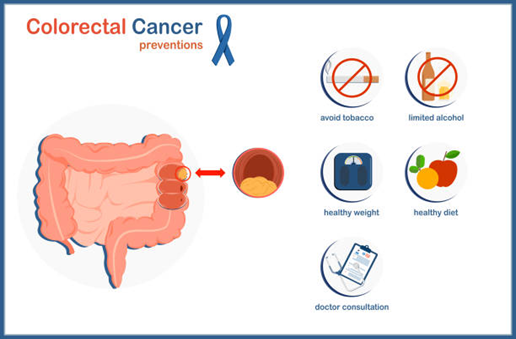
      A high-fiber diet, fruits and vegetables, as well as limiting processed meat and alcohol intake, may reduce the risk of developing colorectal cancer.

      Exercise regularly:

      Physically active individuals are aware of the benefits of exercise in reducing colorectal cancer risk by promoting regular bowel movements and weight control.

      Avoid smoking:

      Smoking can lead to the development of several diseases and cancer. These also include colon cancer. Quitting smoking can reduce the risk and improve overall health.

      Genetic counseling and testing:

      For individuals with a strong family history, genetic counseling and testing can help identify inherited conditions and provide a personalized prevention plan.

      Conclusion:

      The link between family history and colorectal cancer is a crucial factor in determining an individual’s risk. Understanding the genetic and environmental influences that contribute to this risk is vital for early detection and prevention. Early screening, genetic counseling, and lifestyle changes can significantly reduce the risk and improve outcomes for individuals with a family history of colorectal cancer.

      Ready to take the next step in managing your health? Connect with an expert to discuss your treatment options for prostate cancer.

      Frequently Asked Questions

      1. At what age should I start screening if I have a family history of colorectal cancer?

      If you have a family history, screenings should typically begin at age 40 or 10 years earlier than the youngest case in your family.

      2. What screening methods are used for colorectal cancer?

      Common methods include colonoscopy, stool tests, and flexible sigmoidoscopy.

      3. How often should I get screened if I have a family history of colorectal cancer?

      Screenings are typically recommended every 5-10 years, depending on your family history and initial results.

      4. What should I do if I have a family history of colorectal cancer?

      It’s important to start screening early, maintain a healthy diet, and consider genetic counseling to assess your individual risk.

      5. Is it possible to treat colorectal cancer if detected early?

      Yes, early detection through screening can lead to successful treatment and even prevent cancer from developing in some cases.

      Reference links:

      https://colorectalcancer.org/screening-prevention/prevention/family-history-and-colorectal-cancer

      https://ecancer.org/en/news/250-family-history-and-colorectal-cancer

      Disclaimer: The information shared in this content is for educational purposes and not for promotional use.
       

      Stage 2 Prostate Cancer Explained: Diagnosis, Treatment Options, and Outlook

      Stage 2 Prostate Cancer Explained: Diagnosis, Treatment Options, and Outlook

      Prostate cancer is one of the most commonly diagnosed cancers among men, with over 1.4 million new cases globally each year. In India, prostate cancer rates have steadily increased, becoming one of the top diagnoses in male cancer patients. As men age, the risk of developing prostate cancer increases, with many cases detected at early stages. Stage 2 prostate cancer, or prostate cancer stage II, is considered localized, meaning it has not yet spread to distant parts of the body.

      Dr. Sandeep Nayak, a highly regarded surgical oncologist in Bangalore, India, states, ” While prostate cancer can be concerning, stage 2 is often highly treatable, with several treatment options available that can lead to a successful outcome when diagnosed early.”

      At MACS Clinic, Dr. Sandeep Nayak leads a team of specialists in providing comprehensive, personalized care for patients with prostate cancer. With years of experience in managing prostate cancer, Dr. Nayak’s expertise in the treatment of stage 2 prostate cancer ensures that patients receive the most effective, tailored solutions for their condition. From advanced diagnostics to state-of-the-art treatment options, Dr. Nayak offers the highest standard of care for patients diagnosed with prostate cancer stage II.

      Now, let’s explore what stage 2 prostate cancer entails and why it’s a crucial stage for early intervention.

      What is Stage 2 Prostate Cancer?

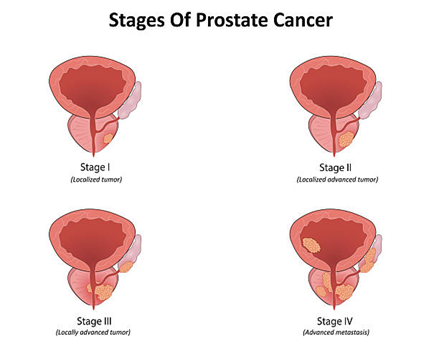
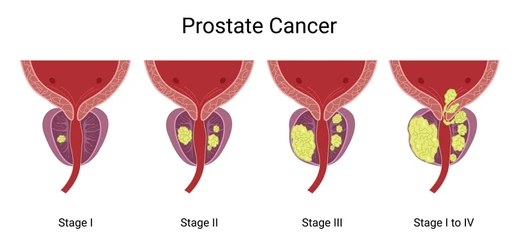
      In stage 2 prostate cancer, the cancer is localized. It indicates that the cancer cells are confined to the prostate gland and have not metastasized. At this stage, the cancer would be much more aggressive than stage 1 prostate cancer, but it has not yet extended to either the lymph nodes and/or distant sites.

      Stage II is divided into 2a and 2b based on tumor size and extent, with 2b possibly affecting one or both sides of the prostate. Often asymptomatic, many men may not notice symptoms, but it remains highly treatable with various medical interventions.

      What factors contribute to stage 2 prostate cancer, and who is most at risk? Let’s take a look at the causes and key risk factors.

      Causes and Risk Factors of Stage 2 Prostate Cancer

      • Age: The risk increases significantly after age 50, with most cases occurring in men over 60.
      • Family History: If there are relatives in the family having prostate cancer, particularly first-degree relatives such as father/brother, then risk increases.
      • Race: African-American men are at a higher risk of developing prostate cancer compared to other racial groups.
      • Genetics: Inherited gene mutations, such as BRCA1 and BRCA2, can elevate the risk of prostate cancer.
      • Diet: Diets high in fat, particularly animal fats, may increase the risk of prostate cancer.
      • Obesity: Overweight men have a higher risk of developing aggressive forms of prostate cancer.
      • Hormones: Higher levels of testosterone may promote the growth of prostate cancer cells
      • Environmental Factors: Certain chemicals and toxins could contribute towards the causative factors, although there is inadequate evidence.
      Let’s explore common signs and how this stage of cancer is often overlooked.

      Stage 2 Prostate Cancer Symptoms

      • Asymptomatic: For most men with Stage 2 prostate cancer, symptoms may not be apparent.
      • Urinary Symptoms: Some men may have problems with urination, such as difficulty urinating, frequent urination, and weak urination flow.
      • Bloody Urine or Semen: Rare, but may occur in some cases.

      Pelvic Pain: Generally, low discomfort or pain in the pelvic area may arise, which is quite rare in this period.

      Erectile Dysfunction: Some men may feel the inability to generate or maintain an erection.

      No Pain: The vast majority of the time, there is little or no pain with stage 2 prostate cancer.

      Given that symptoms are minimal at this stage, screening and PSA testing are essential for early detection.

      Noticing any of these symptoms? Connect with a specialist to discuss any concerns and learn more about early detection methods.
      Let’s explore the diagnostic process and the tests used to detect this stage of prostate cancer.

      Diagnosis of Stage 2 Prostate Cancer

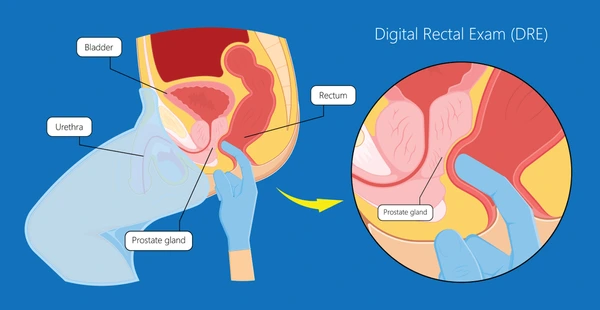
      1. Digital Rectal Exam (DRE):

      A physical examination in which a doctor feels the prostate for abnormalities or lumps.

      1. Prostate-Specific Antigen (PSA) Test:

      A blood test is performed to determine PSA levels. A high level of PSA may suggest the possible existence of prostate cancer.

      1. Biopsy:

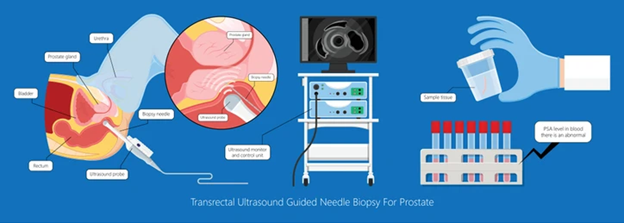
      If cancer is suspected, a prostate biopsy is performed to confirm the presence of cancer cells by taking small tissue samples from the prostate.

      1. Transrectal Ultrasound (TRUS):
      Often used alongside a biopsy, this imaging test helps visualize the prostate and guide the biopsy procedure.
      1. Magnetic Resonance Imaging (MRI):
      In some cases, an MRI may be used to assess the extent of the tumor and its spread within the prostate.
      1. CT or Bone Scans:
      Usually not required for stage 2 and can be optional if there might be a possible spread of cancer beyond the prostate. Early diagnosis through these tests is key to effective treatment planning and management of stage 2 prostate cancer.
      What are the best treatment options for stage 2 prostate cancer? Let’s explore the most effective treatments available.

      Treatment Options for Stage 2 Prostate Cancer

      Stage 2 prostate cancer is highly treatable, and the treatment approach will depend on various factors, including the tumor’s size, location, and the patient’s overall health. The primary treatment options for stage 2 prostate cancer include:

      1. Surgery (Radical Prostatectomy):

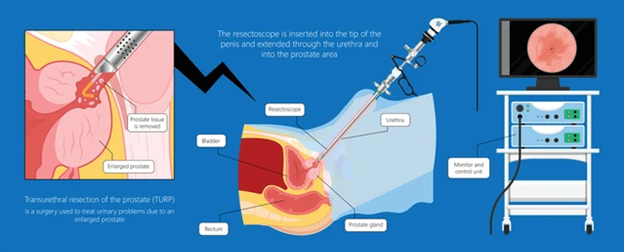
      It entails the removal of the prostate gland and is the most widely used mode of treatment in cases of localized prostate cancer.

      1. Radiation Therapy:

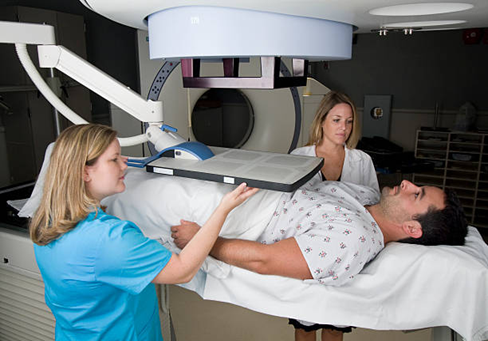
      Radiation uses high-energy rays to kill cancer cells. This treatment may be administered externally or via an internal technique known as brachytherapy.

      1. Active Surveillance:

      In some patients, especially those with low-risk cancer, the doctor might advise close monitoring in place of immediate treatment – active surveillance.

      1. Hormone Therapy:

      Occasionally, one may use hormonal therapies to shrink a tumor before any other therapies are applied.

      There are various treatments, each with its own benefits and risks, which will be determined in collaboration with your physician.

      What is the survival rate for stage 2 prostate cancer? Let’s discuss the outlook for patients diagnosed at this stage.

      Stage 2 Prostate Cancer Survival Rate

      The rate of survival in stage 2 prostate cancer is very high. In fact, the vast majority of patients achieve long-term remission. According to statistics, the 5-year survival rate in stage 2 prostate cancer approaches 100 percent, especially if it is localized.

      The survival rate may depend on factors such as the patient’s age, overall health, and the effectiveness of the treatment. Stage 2 prostate cancer has one of the best survival rates among all the stages of prostate cancer.

      What is the long-term outlook for stage 2 prostate cancer patients? Let’s explore the prognosis and factors that influence recovery.

      Prognosis for Stage 2 Prostate Cancer

      Stage 2 prostate cancer has a favorable prognosis and can easily be treated when found early and treated successfully. In most cases of prostate cancer that have reached stage 2, the man can survive for several years after treatment without a high risk of recurrence.

      In some cases, patients may need to follow up periodically to monitor for cancer recurrence. It is based on the cancer’s aggressiveness, the patient’s age, and their overall health.

      Let’s explore potential side effects of prostate cancer treatment and how they can be managed.

      Side Effects of Treatment for Stage 2 Prostate Cancer

      Treatment for stage 2 prostate cancer can lead to various side effects, depending on the type of treatment chosen. For example:

      • Surgery (Radical Prostatectomy): Common side effects include erectile dysfunction, urinary incontinence, and changes in sexual function.
      • Radiation Therapy: Side effects may include fatigue, urinary issues, and bowel discomfort.
      • Hormone Therapy: Hot flashes, decreased libido, and fatigue are common side effects of hormone therapy.

      Although such side effects may prove challenging, they are usually temporary and can be managed with medical care and lifestyle changes.

      Let’s explore the recovery process and life post-treatment.

      Life After Stage 2 Prostate Cancer Treatment

      Life after completing treatment for stage 2 prostate cancer will be different for one man to another; many men are able to lead very active and complete lives after treatment. Following treatment is an integral part of making sure that the cancer does not come back; it is also necessary to take care of any problems that may come from treatment. Many men may still have some lasting side effects, such as changes in sexual function or urinary issues, which can be managed with rehabilitation and therapy.

      Staying physically active, eating a balanced diet, and maintaining regular medical checkups are key to staying healthy after treatment.

      Conclusion

      Stage 2 prostate cancer is a highly treatable condition with a favorable prognosis when detected early and treated appropriately. With treatment options ranging from surgery and radiation to active surveillance, men diagnosed with stage 2 prostate cancer can achieve long-term survival and quality of life. Working closely with a competent specialist, such as Dr. Sandeep Nayak, to determine the best treatment plan is crucial for a positive outcome.

      Need personalized care and expert advice? Reach out to a seasoned expert to develop the right treatment plan for your stage 2 prostate cancer.

      Frequently Asked Questions

      1. Can stage 2 prostate cancer be cured?

      Yes, stage 2 prostate cancer is highly treatable and has a very high cure rate, especially when detected early.

      2. What’s the difference between stage 1 and stage 2 prostate cancer?

      Stage 2 prostate cancer is more advanced than stage 1, with the tumor growing larger but still confined to the prostate.

      3. How often should I get a PSA test after treatment?

      After treatment, PSA tests are typically recommended every 3 to 6 months during the first few years to monitor for recurrence.

      4. Is radiation therapy effective for stage 2 prostate cancer?

      Yes, radiation therapy is highly effective for treating stage 2 prostate cancer, either as a primary treatment or after surgery.

      5. What are the chances of prostate cancer coming back after treatment?

      The chances of recurrence for stage 2 prostate cancer are low, particularly when treated early. Regular follow-up care helps monitor for recurrence.

      Reference links:

      https://www.healthline.com/health/mens-health/stage-2-prostate-cancer

      https://www.medicalnewstoday.com/articles/stage-2-prostate-cancer

      Disclaimer: The information shared in this content is for educational purposes and not for promotional use.

      Stage 1 Prostate Cancer Treatment: Early Diagnosis & Effective Options

      Stage 1 Prostate Cancer Treatment: Early Diagnosis & Effective Options

      Prostate cancer is one of the most common cancers affecting men worldwide. In India, prostate cancer is becoming an increasingly significant health concern, with rising incidence rates in recent years. In India, it has become increasingly prevalent, making it a key area of focus in men’s health. Such cancers take time to develop and thus, in early stages like stage 1 prostate cancer, they can be cured successfully.

      Dr. Sandeep Nayak, a renowned oncologist in Bangalore, India, says: “Stage 1 prostate cancer can be detected in its early stages and is localized within the prostate. As a result, it is quite curable with many treatment options available. If planned properly, the prognosis is excellent.”

      MACS Clinic, headed by Dr. Sandeep Nayak, is now offering individualized treatment programs for men diagnosed with prostate cancer, primarily concentrating on early detection and effective treatment strategies. Backed by Dr. Nayak’s expertise in cancer care, patients with prostate cancer at stage 1 can be treated effectively through proper management.

      What exactly is stage 1 prostate cancer, and how is it different from other stages? Let’s dive into the specifics.

      Understanding Stage 1 Prostate Cancer

      Stage 1 prostate cancer belongs to the initial stages of the cancer. In this stage, the cancer has remained within the prostate organ, with the cancer being small, featuring a small area of the prostate, not causing any signs or symptoms, and generally being detected through a variety of tests, such as a blood test called a PSA test or a DRE, or Digital Rectal Exam. This stage is considered localized as the cancer has not spread into other areas of the body.

      At this stage, the cancerous cells tend to grow slowly. These cells may not cause significant harm if closely monitored. It is therefore vital to obtain an early diagnosis to achieve a positive response. There are highly effective treatments available when prostate cancer is at stage 1.

      What factors contribute to the development of stage 1 prostate cancer? Let’s explore the key risk factors.

      Risk Factors for Stage 1 Prostate Cancer

      • Age: The risk of prostate cancer increases with age, especially after 50.
      • Family History: A family history of prostate cancer, particularly in first-degree relatives, increases the risk.
      • Race: African-American men are at a higher risk of developing prostate cancer compared to men of other racial backgrounds.
      • Genetic Factors: Inherited gene mutations, such as BRCA1 and BRCA2, can increase the likelihood of prostate cancer.
      • Diet and Lifestyle: Diets high in red meat and dairy, as well as obesity, can increase prostate cancer risk.
      • Hormonal Factors: High levels of testosterone may fuel the growth of prostate cancer cells.

      Understanding these risk factors can help men take preventive measures and engage in early screening to detect prostate cancer at stage 1.

      Worried about your risk factors?
      Get in touch with an expert to evaluate your prostate health.
      What are the treatment options for stage 1 prostate cancer? Let’s explore the most common and effective methods.

      Treatment Options for Stage 1 Prostate Cancer

      1. Active Surveillance

      For many men with stage 1 prostate cancer, immediate treatment may not be necessary. Active surveillance involves monitoring the cancer through regular PSA tests, digital rectal exams (DRE), and biopsies. Treatment is only initiated if there are signs that the cancer is growing or changing.

      1. Radical Prostatectomy (Surgery)

      There are instances where the removal of the entire prostate is advised for a stage 1 cancer sufferer, especially if the person is fit. This is undertaken through a radical prostatectomy, where the entire prostate is removed.

      1. Radiation Therapy

      Radiation therapy using external beams or brachytherapy (internal radiation therapy) can destroy prostate cancer cells. This is highly effective for treating cancers confined to the local area and can often serve as an alternative to surgery.

      1. Cryotherapy

      This cancer treatment involves freezing cancer cells to destroy them. This procedure may be recommended for men who are poor candidates for either surgery or radiation therapy or would like to bypass either of those options.

      1. Hormone Therapy

      Hormonal treatment is not usually needed for stage 1 prostate cancer, but may be used in some cases to lower the level of testosterone, which fuels the growth of cancerous cells of the prostate.

      Each treatment is selected based on the cancer’s size and location, health status, and individual preferences. The healthcare professional will determine the best treatment option.

      What should be taken into account when choosing the best treatment for stage 1 prostate cancer? Let’s break it down.

      Key Considerations in Treatment Choice

      • Age and Health:

      Younger, healthier patients may be more likely to undergo surgery or radiation therapy, while older patients may opt for active surveillance.

      • Cancer Characteristics:

      The tumor’s size, grade, and location can influence the treatment approach.

      • Side Effects:

      Each treatment has potential side effects, and patients should discuss these with their doctor to make an informed decision.

      • Patient Preferences:

      The patient’s preferences, lifestyle, and willingness to accept the risks associated with specific treatments should also be considered.

      Personalized care is essential to ensuring the best treatment outcome for stage 1 prostate cancer, and a doctor will work closely with the patient to choose the most appropriate option.

      What is the survival rate for stage 1 prostate cancer? Let’s take a look at the prognosis.

      Prostate Cancer Stage 1 Survival Rate

      The survival rate for stage 1 prostate cancer is extremely high. When detected early, the 5-year survival rate for stage 1 prostate cancer is nearly 100%. As the cancer is confined to the prostate and often slow-growing, early intervention through active surveillance or treatment leads to excellent outcomes.

      With the right treatment, men diagnosed with stage 1 prostate cancer can expect to live many years without the cancer spreading or causing significant harm.

      What is the long-term outlook for stage 1 prostate cancer patients? Let’s explore the prognosis.

      Stage 1 Prostate Cancer Prognosis

      In stage 1 prostate cancer, the outlook is excellent. In fact, it is much more favorable if detected early. Since it is slow-growing and localized, most men can resume normal activities after proper management. In fact, the likelihood of its recurrence is low.

      Most men diagnosed at this stage can expect to live for many years without further complications. However, regular monitoring through PSA tests and medical check-ups is essential to ensure continued health.

      Conclusion: Taking Control of Your Health

      Stage 1 prostate cancer is highly treatable with excellent outcomes when diagnosed early. The key to success lies in early detection, effective treatment options, and ongoing monitoring. Whether you choose active surveillance or opt for surgery or radiation, the prognosis for stage 1 prostate cancer is generally very favorable. By taking control of your health and working with a specialist like Dr. Sandeep Nayak, you can ensure the best possible outcome.

      Ready to take the next step in managing your health? Connect with an expert to discuss your treatment options for prostate cancer.

      Frequently Asked Questions

      Is stage 1 prostate cancer curable?

      Yes, stage 1 prostate cancer is highly curable, with the right treatment and early detection.

      What are the chances of recovery with Stage 1 prostate cancer?

      The chances of recovery are very high, with nearly 100% 5-year survival rates when detected early.

      How is Stage 1 prostate cancer diagnosed?

      Stage 1 prostate cancer is often diagnosed through routine screening, such as PSA tests or digital rectal exams (DRE), followed by a biopsy.

      What are the side effects of prostate cancer treatments?

      Side effects can include fatigue, erectile dysfunction, urinary incontinence, and bowel issues, depending on the treatment method.

      How often should I see my oncologist after treatment?

      After treatment, regular follow-up visits are usually recommended every 3 to 6 months for the first few years to monitor for recurrence.

      Reference links:

      https://prostatecanceruk.org/prostate-information-and-support/just-diagnosed/localised-prostate-cancer

      https://pceiva.org/prostate-cancer/stage-i-prostate-cancer/

      Disclaimer: The information shared in this content is for educational purposes and not for promotional use.
      Why Does Testicular Cancer Affect Young Men?

      Why Does Testicular Cancer Affect Young Men?

      According to studies, testicular cancer affects one out of every 250 males at some point in their lives. It’s a relatively rare cancer that tends to strike at a younger age, unlike most malignancies. The average age at which a person is diagnosed is 33. The good news is that the cure rate is relatively high, especially when detected early.

      In this article, Dr. Sandeep Nayak, an experienced cancer specialist in Bangalore, India, talks about testicular cancer in young adults and its treatment options.

      He is the Founder and Chief of Surgical Oncology at MACS Clinic, Bangalore, and Chairman – Oncology Services, Karnataka, India | Executive Director – Surgical Oncology and Robotic Surgery, KIMS Hospitals, Bangalore.

      Why are young adults more at risk of getting testicular cancer?

      Testicular cancer is the most prevalent type of solid tumor in teenage and adult men between the ages of 13 and 40; however, it can strike at any age from childhood to adulthood. The good news is that majority of testicular malignancies can be cured.

      The main risk factor is present from birth. Boys born with an undescended testicle are more likely to develop testicular cancer later in life.

      “Even if an undescended testicle has been surgically addressed, the risk of developing testicular growths persists, and they should be regularly monitored,” Dr. Sandeep Nayak, one of the best oncologist in India, explains. “Men with a family history of the disease are likewise at a higher risk.”

      Men in their early 20s and early 40s are more likely to develop testicular cancer. Dr. Sandeep Nayak adds that when men are younger, their testes produce more testosterone and sperm, increasing their risk of cancer. Caucasian males may also be at a higher risk than men of other races. 

      What are the symptoms of testicular cancer, and how can you know if you have it?

      A bump or lump on the testicle is generally the first sign of testicular cancer. The growth is normally painless, but it expands rapidly over a few weeks. It frequently results in a trip to the doctor.

      Dr. Sandeep Nayak, an expert cancer specialist in Bangalore, states, “If a patient comes to us with an abnormal growth on their testicle, we’ll request an ultrasound to investigate it further.” “If that raises a suspicion of cancer, we run blood tests to look for tumor markers, which are cancer indications.”

      When testicular cancer metastasis, it typically affects the liver, lymph nodes, and lungs. Imaging tests, such as a CT scan to look for enlarged lymph nodes in the abdomen and a scan or X-ray of the chest to look at the lungs, are other diagnostic procedures that the patient may have to undergo.

      What is the treatment for testicular cancer?

      Removing the diseased testicle is the most common treatment for testicular cancer. According to Dr. Sandeep Nayak, the testicle is removed through a groin incision and submitted to a pathologist to evaluate whether additional treatment is required.

      Most men heal within a week of surgery and are advised to avoid straining or lifting heavy things for up to six weeks.

      Chemotherapy is usually indicated if the pathologist determines that further treatment is required owing to concerns about the cancer spreading.

      The sooner the testicular cancer is diagnosed, like with most malignancies, the better the prognosis. The overall cure rate is high: more than 90% of males are cured.

      Men who wish to start a family are sometimes anxious about how testicular cancer therapy would impact their fertility. According to Dr. Sandeep Nayak, the removal of one testicle should not harm fertility, although chemotherapy is a concern.

      “You should be able to father children with a completely healthy testicle on the other side,” explains one of the best oncologist in Bangalore, “but additional treatment, such as chemotherapy, can be hazardous to your sperm.” “We talk to patients about sperm banking in advance in case they desire to have children in the future.” Further, he also offers testis-sparing surgery to suitable patients.

      You must include a testicular exam in your annual health check-up, but you should contact your doctor immediately if you discover a lump between tests. Periodic self-examinations may be advised, particularly for men at a higher risk due to an undescended testicle.

      “It’s a simple thing to detect if you check yourself on a regular basis, and it’s treatable cancer,” adds Dr. Sandeep Nayak. “So, even if you are someone who suffers from this, there’s a lot of hope.”

      FAQS

      1. Why is testicular cancer more common in young men?

      Testicular cancer primarily affects men between the ages of 15 and 35 due to factors like genetics, undescended testicles, and family history.

      2. What are the main risk factors for testicular cancer in young men?

      Risk factors include a family history of testicular cancer, undescended testicles (cryptorchidism), personal history of testicular cancer, and certain genetic conditions.

      3. Can testicular cancer be prevented in young men?

      While it cannot be entirely prevented, regular self-exams, awareness of symptoms, and early detection through screenings can help in catching the disease early.

      4. What are the early signs of testicular cancer in young men?

      Early symptoms may include a lump or swelling in the testicle, a feeling of heaviness in the scrotum, pain or discomfort in the testicle or scrotum, and changes in testicle size.

      5. Is testicular cancer treatable in young men?

      Yes, testicular cancer is highly treatable, especially when detected early. Treatment options include surgery, chemotherapy, and radiation therapy, depending on the cancer stage.