
This website is being reviewed and updated in line with the National Medical Commission (NMC) guidelines on ethical advertising and public communication by registered medical practitioners.
support@macsclinic.com
+91 9482202240
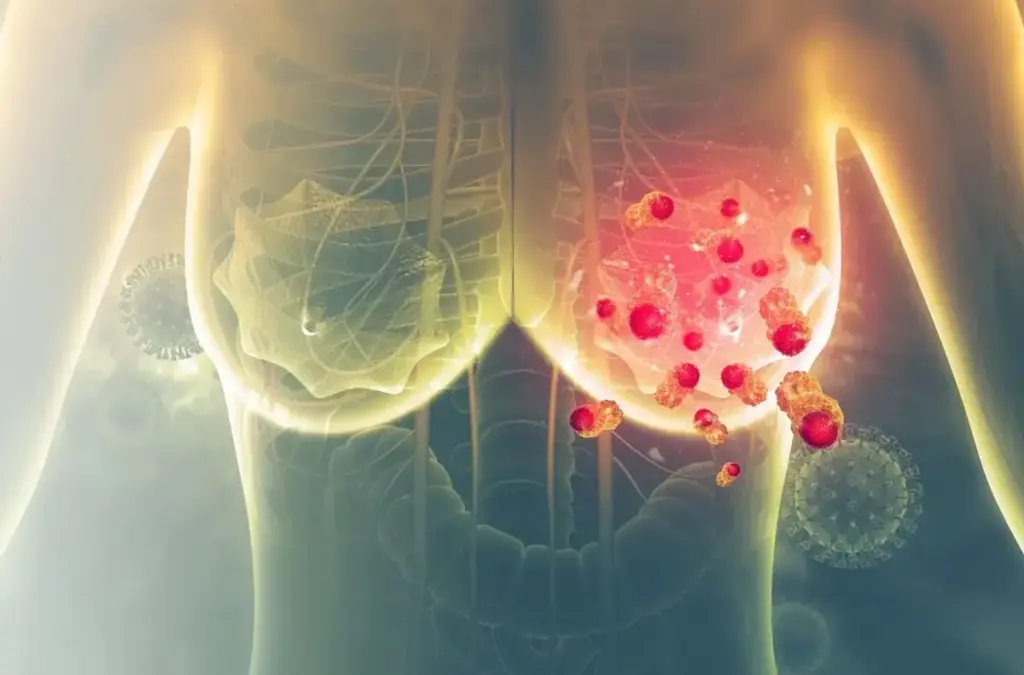
Can I Take HRT After Breast Cancer?

Can I Take HRT After Breast Cancer?

Standard hormone replacement therapy is generally not advised after breast cancer, because the hormones in HRT can stimulate breast cancer cells and raise the risk of recurrence. This applies especially to hormone-receptor-positive disease, which makes up most breast cancers. Menopausal symptoms are still real and treatable, but with safer non-hormonal options, decided jointly by your oncologist and gynaecologist, not on your own.

According to Prof. Dr. Sandeep Nayak, Surgical Oncologist in India, “I see real distress from menopausal symptoms after breast cancer, and dismissing them isn’t the answer. But standard HRT isn’t either. The honest position is that we have non-hormonal options that work, and that’s where the conversation belongs.”

Struggling with symptoms after breast cancer?

Why Is HRT Risky After Breast Cancer?

The risk has clear biology behind it. Here’s why oncologists draw the line where they do.

  • Hormone fuel: Most breast cancers are hormone-receptor-positive, which means oestrogen feeds them. Adding HRT pours fuel onto cells you’ve just spent months treating.
  • Higher recurrence: Trials have shown HRT raises recurrence risk in breast cancer survivors, which is why most oncology guidelines advise against it.
  • Risk continues: The danger doesn’t switch off years after treatment ends. Hormone-sensitive cancer can recur a decade or more later, so caution stays.
  • Even short courses: Even brief HRT use has been linked to higher recurrence in survivors, so it isn’t a safer option just because it’s a short trial.

So the risk genuinely outweighs the symptom relief in most cases. For the procedure itself in eligible patients, robotic cancer surgery is one part of a treatment plan that also looks at long-term survivorship.

What Are the Safer Alternatives?

Plenty of real options exist for managing symptoms without the hormone risk.

  • Non-hormonal: Medicines like SSRIs, gabapentin or clonidine can ease hot flushes without touching oestrogen, and they’re well-studied in survivors.
  • Lifestyle changes: Layered clothing, cooler sleeping, less caffeine and regular exercise genuinely reduce flushes and improve sleep for many women.
  • Vaginal options: Low-dose vaginal oestrogen is sometimes considered in carefully selected cases, but only with full oncology input, never alone.
  • Specialist input: A menopause specialist working with your oncologist gives the safest tailored plan, instead of one-size advice that doesn’t fit.

So you’re not stuck choosing between symptoms and safety. For the wider treatment context that shapes these decisions, our blog on breast cancer surgery covers what’s involved before survivorship begins.

Why Choose Dr. Sandeep Nayak for Your Breast Cancer Care?

Dr. Sandeep Nayak brings 24 years of surgical oncology experience, DNB qualifications in Surgical Oncology and General Surgery and a fellowship in Laparoscopic and Robotic Onco-Surgery to the care of breast cancer patients through every stage of treatment and beyond. He treats survivorship symptoms as real medical issues worth solving, not something to tolerate, while drawing the line firmly on what’s safe and what isn’t.

That balance of honesty and care is what separates real survivorship support from one-size advice. Every case at MACS Clinic goes through a full tumour board, where survivorship is part of the plan from day one. Call +91 8104310753 to book your consultation.

Frequently Asked Questions

Can I take HRT after breast cancer?

Standard HRT is usually not advised, as it can raise recurrence risk.

Why is HRT risky after breast cancer?

Hormones in HRT can stimulate hormone-sensitive breast cancer cells.

Are there safer alternatives?

Yes, non-hormonal medicines, lifestyle changes and vaginal options can help.

Should I talk to my oncologist?

Always, your oncologist and gynaecologist should decide together.

References:

    1. National Cancer Institute — Menopausal Hormone Therapy and Cancer. https://www.cancer.gov/
    2. World Health Organisation — Cancer. https://www.who.int/news-room/fact-sheets/detail/cancer

    Will My Children Get Cancer Because of Me?

    Will My Children Get Cancer Because of Me?

    Most cancers are not inherited. Only around 5 to 10 percent of all cancers run in families through a specific gene mutation passed from parent to child. The rest are caused by random cell damage, ageing, or environment, not anything you did or carried. Even when a hereditary gene is in the family, it raises risk, it doesn’t promise the cancer. Genetic testing tells you exactly where you stand.

    According to Prof. Dr. Sandeep Nayak, Surgical Oncologist in India, “The guilt I see in parents after their diagnosis is often heavier than the actual genetic risk. Most cancers aren’t inherited at all, and even the ones that can be passed on are about raised risk, not certainty, which changes the whole conversation.”

    Worried about what your diagnosis means for your children?

    Is Cancer Usually Inherited?

    The short answer is no, and the genetics behind it are more reassuring than they sound.

    • Most random: Around 90 to 95 percent of cancers happen from random cell damage and ageing. They aren’t passed down to children at all.
    • Few hereditary: Only 5 to 10 percent of cancers come from inherited gene changes like BRCA1, BRCA2 or Lynch syndrome.
    • Risk not certainty: Even carrying a cancer gene raises risk, it doesn’t guarantee cancer. Many carriers live full lives without ever developing it.
    • Family pattern matters: A real hereditary risk shows itself across generations, multiple young diagnoses on the same side, not one cancer in one parent.

    So the odds of “passing it on” are far smaller than the fear suggests. For patients whose treatment includes surgery, robotic cancer surgery is one part of a treatment plan with family history considered alongside.

    What Can You Do for Your Children?

    A few practical steps give clear answers and real peace of mind.

    • Genetic counselling: A genetic counsellor reviews your family history first to judge whether testing is even worthwhile, before any blood test is taken.
    • Genetic testing: If a pattern fits, testing can identify the specific gene change. Children can then be tested too, but usually as adults.
    • Earlier screening: If a hereditary gene is found, children get screening earlier than the general population, which catches problems decades before symptoms.
    • Healthy basics: No diet stops a gene, but a healthy weight, no smoking and routine check-ups still lower risk for everyone in the family.

    So the right plan turns worry into action. And whatever the genetics, knowing what’s normal versus what to check, like a painless lump, is part of the everyday reassurance every family should have.

    Why Choose Dr. Sandeep Nayak for Your Cancer Care?

    Dr. Sandeep Nayak brings 24 years of surgical oncology experience, DNB qualifications in Surgical Oncology and General Surgery and a fellowship in Laparoscopic and Robotic Onco-Surgery to the care of patients and their families. He approaches hereditary concerns honestly, not as alarm, helping patients understand what their cancer actually means for the people they love.

    That clarity is what separates real risk from the guilt many parents carry needlessly. Every case at MACS Clinic goes through a full tumour board, where family history and genetics are part of the plan from day one. Call +91 8104310753 to book your consultation.

    Frequently Asked Questions

    Will my children get cancer because of me?

    Most cancers are not inherited, only a small percentage run in families.

    Which cancers are hereditary?

    Some breast, ovarian, colon and a few rarer cancers can be hereditary.

    Should my family get genetic testing?

    Yes, if there is a strong family pattern or known gene mutation.

    Can hereditary cancer be prevented?

    Risk can be lowered with surveillance and sometimes preventive measures.

    References:

      1. National Cancer Institute — Genetic Testing for Inherited Cancer Susceptibility Syndromes. https://www.cancer.gov/
      2. World Health Organisation — Cancer. https://www.who.int/news-room/fact-sheets/detail/cancer
      Will Chemotherapy Affect My Fertility?

      Will Chemotherapy Affect My Fertility?

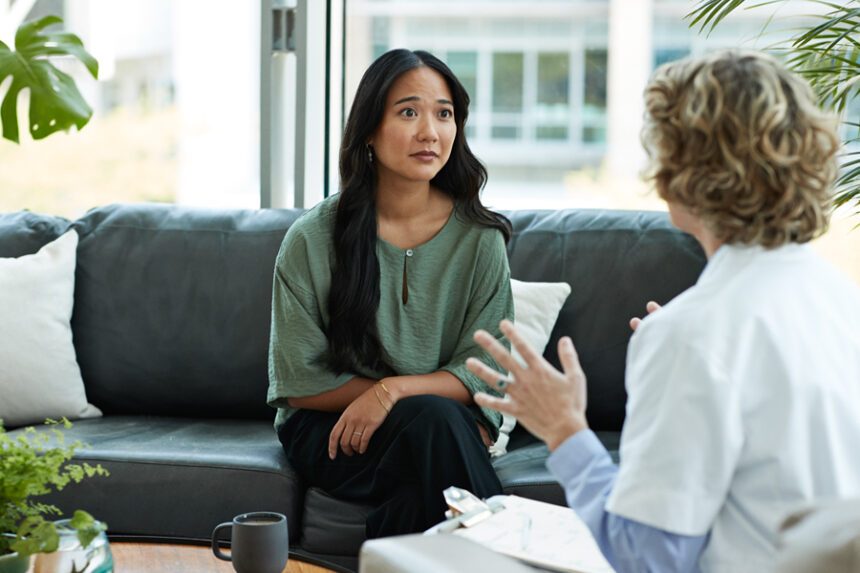
      Chemotherapy can affect fertility in both men and women, but the impact varies enormously by drug, dose, age and how long treatment runs. Some patients recover fertility within a year or two of finishing chemo. Others find it permanently reduced or lost. The single best protection is fertility preservation, freezing eggs, sperm or embryos, done before treatment starts. That’s the conversation worth having early, not after.

      According to Prof. Dr. Sandeep Nayak, Surgical Oncologist in India, “Fertility is one of the silent costs of chemo I want every younger patient told about up front. The drugs that cure cancer don’t always spare the ovaries or testes, and the only honest answer is to plan for preservation before the first dose.”

      Worried about fertility before chemo starts?

      How Does Chemo Affect Fertility?

      The effect isn’t one thing. It depends on what drug hits which cells, and when.

      • Drug type: Some chemo classes, like alkylating agents, are far harder on the ovaries and testes than others. The drug list shapes the risk more than anything else.
      • Your age: Younger ovaries and testes recover better. The closer to natural menopause, or with lower baseline sperm production, the bigger the lasting effect.
      • Dose total: Higher cumulative doses across cycles cause more damage. A short, light regimen is far less risky than a long, intense one.
      • Other treatment: Radiation to the pelvis or hormone therapy added to chemo can multiply the effect, sometimes more than the chemo itself.

      So the picture varies by case, never one-size-fits-all. For patients whose plan also involves surgery, robotic cancer surgery is one part of a treatment plan with fertility considered throughout.

      What Can You Do to Protect Fertility?

      A few clear steps, taken in the right order, make a real difference.

      • Ask early: Raise fertility at the very first oncology appointment, not after treatment is planned. The earlier the question, the wider the options stay.
      • Freeze eggs: Egg, embryo or sperm freezing before chemo is the most reliable protection, and even an urgent treatment can usually fit it in.
      • See fertility: A fertility specialist alongside your oncologist gives the best joint plan, since neither specialty alone covers the full picture properly.
      • Check markers: Hormone-receptor and tumour-marker results shape whether long hormone therapy is added later, which has its own fertility impact.

      So protection is about timing as much as technique. Understanding markers like hormone status from your IHC test helps you see why the full plan matters, not just the chemo.

      Why Choose Dr. Sandeep Nayak for Your Cancer Treatment?

      Dr. Sandeep Nayak brings 24 years of surgical oncology experience, DNB qualifications in Surgical Oncology and General Surgery and a fellowship in Laparoscopic and Robotic Onco-Surgery to the care of patients through every stage of treatment. He raises fertility with every younger patient before chemo begins, because the right conversations at the right time genuinely shape what’s possible afterward.

      That forward planning is what keeps the door to a family open, even through aggressive treatment. Every case at MACS Clinic goes through a full tumour board, where the long-term plan is set together. Call +91 8104310753 to book your consultation.

      Frequently Asked Questions

      Does chemotherapy affect fertility?

      It can, depending on the drugs used, your age and overall health.

      Is the effect permanent?

      Sometimes yes, sometimes temporary, it depends on the cancer drugs.

      Can fertility be preserved?

      Yes, by freezing eggs, sperm or embryos before chemotherapy begins.

      When should I see a fertility specialist?

      Before chemo starts, even if treatment is urgent.

      References:

        1. National Cancer Institute — Fertility Issues in Cancer Treatment. https://www.cancer.gov/
        2. World Health Organisation — Cancer. https://www.who.int/news-room/fact-sheets/detail/cancer
        Is Fever During Chemo Always Serious?

        Is Fever During Chemo Always Serious?

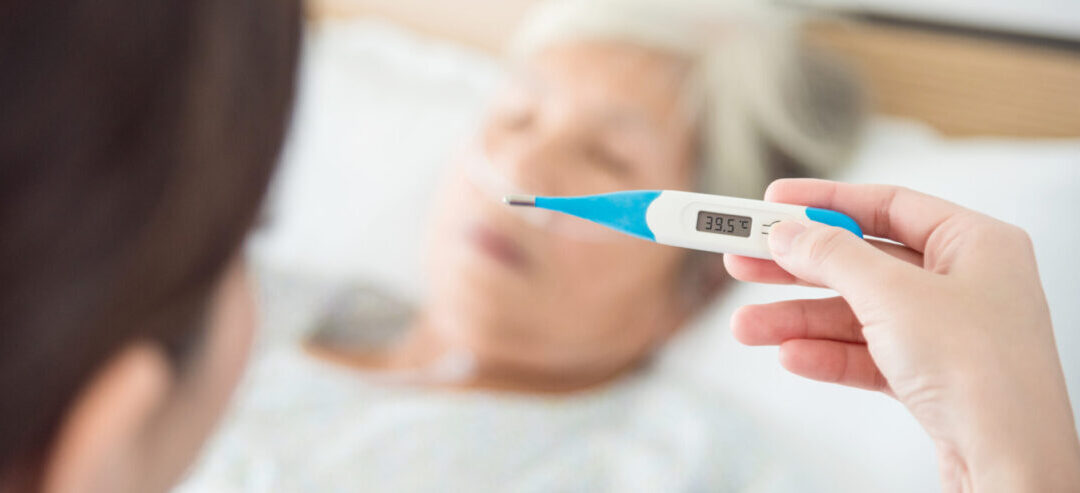
        Yes, fever during chemo is always treated as a medical emergency, never something to wait out at home. Chemotherapy lowers your white blood cells, so your immune system is weakened and even a mild infection can become life-threatening within hours. A temperature of 38°C or 100.4°F, or above, means contacting your team or going to hospital straight away. The rule is simple: when in doubt, act, don’t wait.

        According to Prof. Dr. Sandeep Nayak, Surgical Oncologist in India, “I tell every chemo patient the same thing: a fever isn’t a normal side effect, it’s an emergency, because by the time it looks bad we may have already lost the safe window to treat it.”

        Had a fever during chemo? Don’t wait?

        Why Is Fever During Chemo So Serious?

        The reasons aren’t about the fever itself but what’s behind it. These are the ones that make it urgent.

        • Chemo weakens immunity: Treatment lowers your white blood cells, the body’s main defence against infection, so the usual ability to fight bugs off is severely reduced.
        • Infection spreads fast: With low immunity, an infection that would normally cause mild symptoms can become serious within hours, not days, which is why timing matters so much.
        • The signs can be subtle: With fewer immune cells, the body can’t mount a strong response, so a fever may be the only warning that something serious is brewing.
        • Early treatment saves lives: Prompt antibiotics in hospital, within the first hours, are what turn a dangerous infection back into a treatable one.

        So fever during chemo is the alarm, not the illness. For patients whose wider care involves surgery, robotic cancer surgery is one part of a treatment plan with clear safety guidance throughout.

        What Should You Do If You Get a Fever?

        The right steps are simple and matter most when followed straight away. These are them.

        • Check your temperature: A reading of 38°C or 100.4°F, or above, is the threshold that needs action, even if you otherwise feel well.
        • Contact your team immediately: Call your oncology team or go straight to hospital, don’t wait for morning, weekday hours or to “see how it goes” overnight.
        • Don’t self-medicate: Avoid taking paracetamol or other fever-reducers first, since they hide the fever and delay the urgent care your team needs to give.
        • Carry your chemo card: Hospital teams need to know you’re on chemotherapy immediately, so any card or letter from your team helps them act fast.

        So acting fast is what protects you. Understanding why your blood report matters helps make sense of how chemo affects your defences.

        Why Choose Dr. Sandeep Nayak for Your Cancer Treatment?

        Dr. Sandeep Nayak brings 24 years of surgical oncology experience, DNB qualifications in Surgical Oncology and General Surgery and a fellowship in Laparoscopic and Robotic Onco-Surgery to the care of patients through every stage of treatment. His team makes sure every chemotherapy patient knows the fever rule before they leave the clinic, so emergencies are caught early, not late.

        That clear safety guidance is what protects patients during their most vulnerable weeks. Every case at MACS Clinic goes through a full tumour board, where the treatment and supportive-care plan is set together. Call +91 8104310753 to book your consultation.

        Frequently Asked Questions

        Is fever during chemo always serious?

        Yes, fever during chemo is always treated as a medical emergency.

        Why is chemo fever an emergency?

        Chemo lowers immunity, so even a mild infection can turn dangerous fast.

        What counts as fever during chemo?

        A temperature of 38°C or 100.4°F, or above, needs urgent attention.

        What should I do if I get fever?

        Contact your team or go to hospital immediately, do not wait.

        References

        1. National Cancer Institute — Infection and Neutropenia During Cancer Treatment. https://www.cancer.gov/
        2. World Health Organisation — Cancer. https://www.who.int/news-room/fact-sheets/detail/cancer 
        Can I Do Alternative Medicine With Cancer?

        Can I Do Alternative Medicine With Cancer?

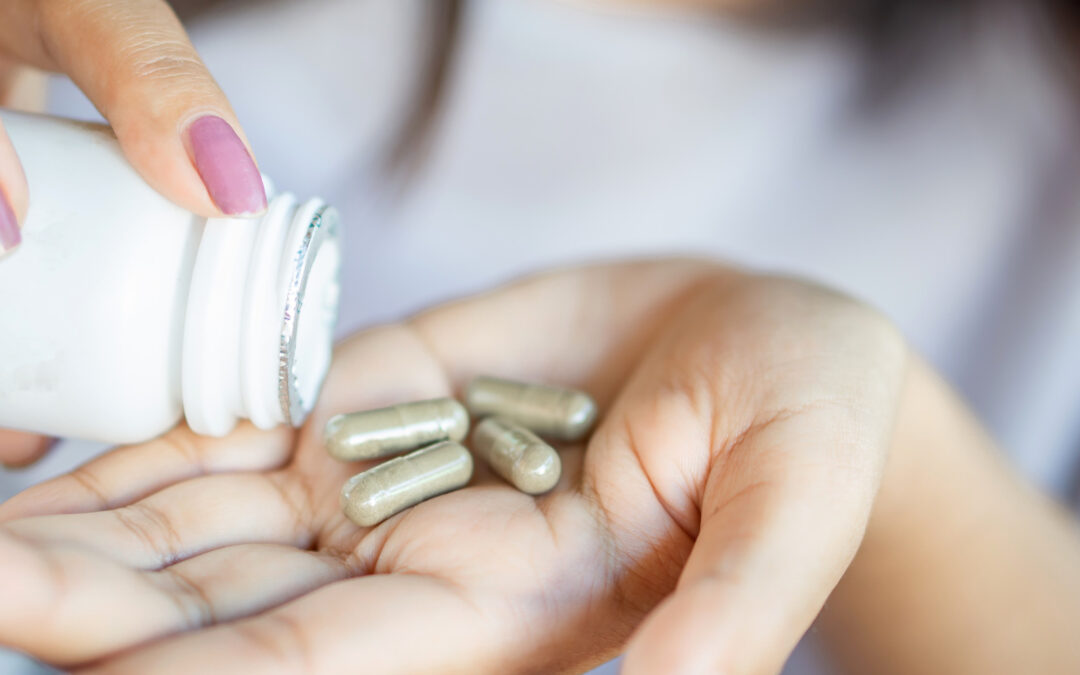
        Some complementary therapies can sit safely alongside cancer treatment, but they should never replace it. Things like yoga, meditation or dietary support can ease stress, fatigue and nausea, yet herbs and supplements sometimes interfere with chemotherapy and may do real harm. The safe rule is simple: use these therapies to support proven treatment, not instead of it, and tell your oncologist about everything you take.

        According to Prof. Dr. Sandeep Nayak, Surgical Oncologist in India, “I’ve no problem with patients using yoga or meditation alongside treatment, but I’m firm that nothing replaces proven therapy, and I need to know every herb or supplement, because some genuinely interfere with chemo.”

        Wondering what’s safe to take alongside treatment?

        What's Safe and What's Risky?

        The line between helpful and harmful is clearer than most people think. Here’s how it divides.

        • Supportive therapies help: Yoga, meditation and gentle exercise can genuinely ease stress, fatigue and nausea, and they sit safely alongside your medical treatment.
        • Herbs and supplements need care: Some herbal products and high-dose supplements interfere with chemotherapy or affect the liver, so none should be taken without your oncologist’s knowledge.
        • Replacing treatment is dangerous: Using alternative medicine instead of proven therapy is where real harm happens, as it lets a treatable cancer grow unchecked.
        • Diet supports, doesn’t cure: A healthy diet helps you cope with treatment, but no food or juice regime cures cancer on its own, whatever the claims.

        So the rule is support, never replace. Before changing anything in your plan, confirming it with a second opinion keeps you safe.

        How Should You Use Complementary Therapy Safely?

        Used the right way, these therapies add real comfort without risk. These are the steps that keep it safe.

        • Tell your oncologist: Share everything you take or plan to try, since only your doctor can spot a supplement that clashes with your treatment.
        • Use it alongside, not instead: Treat these therapies as a complement to your medical plan, never as a substitute for the treatment that actually fights the cancer.
        • Be wary of bold claims: Any product promising to cure cancer or replace chemo is a warning sign, not a genuine option worth your trust.
        • Focus on proven comfort: Stick to therapies with real evidence for easing symptoms, like meditation for stress or exercise for fatigue, rather than untested remedies.

        So safe use comes down to honesty and balance. For patients whose treatment includes surgery, robotic cancer surgery remains the proven, evidence-based core of care.

        Why Choose Dr. Sandeep Nayak for Your Cancer Treatment?

        Dr. Sandeep Nayak brings 24 years of surgical oncology experience, DNB qualifications in Surgical Oncology and General Surgery and a fellowship in Laparoscopic and Robotic Onco-Surgery to the care of patients across all cancer types. He’s open to genuinely supportive therapies and honest about which ones carry risk, so patients get comfort without compromising their treatment.

        That balanced, honest guidance is what keeps patients safe and supported. Every case at MACS Clinic goes through a full tumour board, where the complete plan is agreed together. Call +91 8104310753 to book your consultation.

        Frequently Asked Questions

        Can I use alternative medicine with cancer treatment?

        Some complementary therapies help symptoms, but never replace proven treatment.

        Is alternative medicine safe during cancer?

        Only if discussed with your doctor, as some interfere with treatment.

        Can herbs affect chemotherapy?

        Yes, some herbs and supplements can interfere with chemotherapy drugs.

        Should I tell my oncologist?

        Always, tell them everything you take so they can check safety.

        References

        1. National Cancer Institute — Complementary and Alternative Medicine. https://www.cancer.gov/
        2. World Health Organisation — Cancer. https://www.who.int/news-room/fact-sheets/detail/cancer

        Call Now Button