Minimally Invasive Breast Surgery: A Modern Approach to Safe and Scarless Healing

Minimally Invasive Breast Surgery: A Modern Approach to Safe and Scarless Healing

Breast surgery has evolved significantly with advances in technology and surgical precision. Today, minimally invasive breast surgery is transforming the way breast cancer and other breast conditions are treated.

Dr. Sandeep Nayak, a globally recognized surgical oncologist in India, is a pioneer in robotic and laparoscopic cancer treatments. At MACS Clinic, he has refined the approach to breast surgery in India, delivering safe, cosmetically superior outcomes for patients.
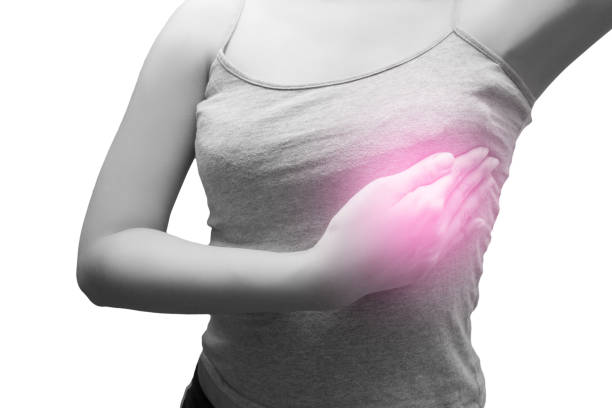
As Dr. Nayak explains, this advanced technique “achieves the same oncological goals as open surgery but through a much smaller incision, preserving both form and function.”

What Is Minimally Invasive Breast Surgery?
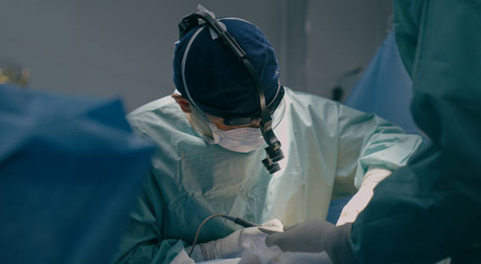
Minimally invasive breast surgery (also called endoscopic breast surgery) is an advanced procedure performed through small incisions, typically around 3 cm, often hidden in the armpit. Specialized instruments and an endoscopic camera allow the surgeon to view and operate precisely inside the breast tissue.

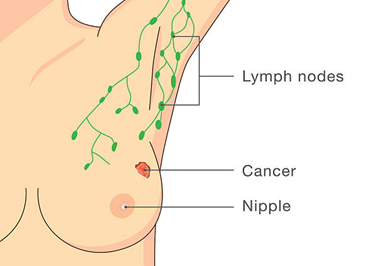
This technique can be used for breast lump removal, breast cancer excision, or even lymph node sampling from the axilla (armpit). It provides excellent cancer control while minimizing trauma to surrounding tissues.

Unlike conventional open procedures that require larger cuts on the breast, minimally invasive methods aim to remove the tumor or affected tissue without visible breast scars, hence often called scarless breast surgery.

Let’s look at the various procedures that fall under this technique.

Types of Minimally Invasive Breast Procedures

Minimally invasive surgery can be adapted for different breast conditions:

  • Endoscopic Breast-Conserving Surgery: Removal of the cancerous lump while preserving the rest of the breast.
  • Endoscopic Mastectomy: Complete breast removal using endoscopic tools, usually combined with reconstruction.
  • Endoscopic Axillary Surgery: Lymph node biopsy or clearance through the same small incision in the armpit.

Comparison: Traditional vs Minimally Invasive Surgery

Feature Traditional Open Surgery Minimally Invasive (Endoscopic) Surgery
Incision Size 6–10 cm on the breast or chest 3 cm, hidden in the armpit
Visible Scars Prominent on the breast None on the breast surface
Tissue Damage Higher due to wide exposure Minimal, with targeted precision
Pain & Discomfort Moderate to high Significantly reduced
Hospital Stay Usually longer Shorter stay and faster recovery
Cosmetic Outcome Visible postoperative scars Natural, scarless appearance
Cancer Control Excellent Comparable or superior outcomes
Why is this approach gaining global acceptance?

Benefits of Minimally Invasive Breast Surgery

Dr. Sandeep Nayak emphasizes that the oncological outcomes are as effective as traditional open surgery, but with added patient-centered advantages:

  • Scarless healing: The incision is discreetly placed in the armpit, leaving the breast surface unscarred.
  • Preserved breast sensation: Minimal tissue disruption helps retain natural sensation.
  • Reduced complications: Smaller incisions lower the risk of infection and postoperative pain.
  • Faster recovery: Most patients return to routine activities sooner.
  • Better cosmetic results: Patients maintain breast shape and symmetry.

These benefits make it a preferred choice for eligible patients seeking both medical safety and aesthetic satisfaction.

Dealing with a breast lump or cancer diagnosis? Get an expert opinion on how endoscopic breast surgery can help you recover with minimal scars.
Wondering if this surgery is right for you?

Who Is a Good Candidate?

Minimally invasive breast surgery is suitable for many individuals, but certain conditions determine eligibility. Ideal candidates include:

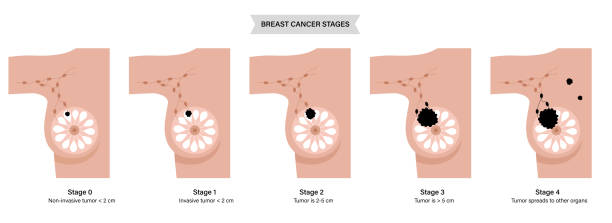
  • Patients diagnosed with early-stage breast cancer are suitable for breast-conserving surgery.
  • Those requiring breast lump removal for benign conditions.
  • Individuals with small to moderate tumor sizes relative to breast volume.
  • Patients are seeking scarless breast surgery for better cosmetic results.
  • Cases requiring axillary lymph node dissection or biopsy through minimal access.

The final decision depends on tumor size, location, spread, and overall health status.

Let’s understand how this surgery is carried out.

How the Procedure Is Performed

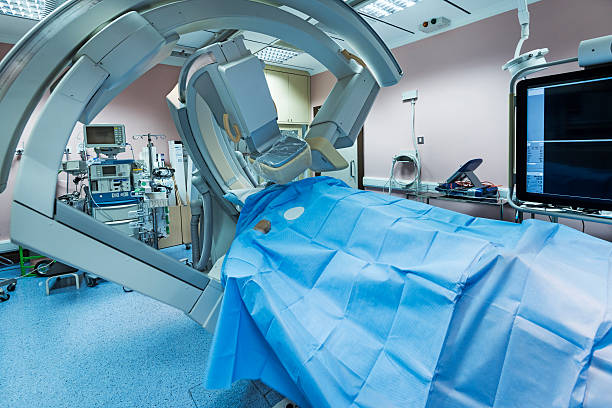
The operation is performed under general anesthesia. A 3 cm incision is made discreetly in the armpit. Through this, an endoscopic camera and specialized instruments are inserted.

The tumor or lump is carefully removed using advanced visualization. At the same time, the axillary lymph nodes, which play a key role in staging breast cancer, can be sampled or cleared through the same incision.

As Dr. Nayak explains, “The surgical steps are identical to open surgery lumpectomy and lymph node removal, but the approach is entirely different. We achieve the same goal with far less visible impact.”

Once the tumor and necessary tissues are removed, the incision is closed with fine sutures, leaving minimal external marks.

Here’s what to expect after surgery.

Recovery and Postoperative Care

Because of the minimal incision and reduced tissue trauma, patients typically experience:

  • Shorter hospital stay, many go home within 1–2 days.
  • Less postoperative pain compared to open surgery.
  • Faster wound healing and minimal swelling.
  • Early return to normal activities, often within a week.

Follow-up visits focus on wound assessment, pathology review, and planning any additional therapy, such as radiation or chemotherapy, if required.

Here’s what you need to know.

Risks and Limitations

While endoscopic breast surgery offers numerous advantages, it may not be suitable for all patients. Possible limitations include:

  • Large or multiple tumors requiring extensive tissue removal.
  • Advanced cancer with skin or chest wall involvement.
  • Previous radiation or scarring that may limit access.

As with any surgery, there are small risks of bleeding, infection, or fluid collection, but these are considerably reduced due to the minimal incision size.

Unsure which breast surgery suits you best? Talk to a specialist to find out if a minimally invasive approach fits your treatment needs.

Conclusion

Minimally invasive breast surgery represents a significant leap in modern oncology, blending advanced technology with patient comfort. It achieves excellent cancer control while preserving appearance and quality of life.
This approach is more than a cosmetic improvement; it is a testament to how far cancer care has progressed in making treatments both effective and empathetic.

Before we conclude, let’s address some common questions patients frequently have.

Frequently Asked Questions

1. Is minimally invasive breast surgery painful?
Pain after surgery is usually mild and well-controlled with medications. The smaller incision and reduced tissue handling make recovery far more comfortable than open procedures.
2. How long does the surgery take?
Depending on the complexity, endoscopic breast surgery typically lasts between 90 minutes and 3 hours.
3. Can it be considered for breast cancer?
Yes. This method is highly effective for breast cancer in early stages, where breast-conserving surgery is possible. It provides comparable cancer-control outcomes to traditional surgery.
4. Will there be visible scars?
The incision is made in the armpit, leaving the breast surface completely scar-free.

Reference

https://pmc.ncbi.nlm.nih.gov/articles/PMC5351487/

https://pmc.ncbi.nlm.nih.gov/articles/PMC6989909/


Disclaimer: The information shared in this content is for educational purposes only and not for promotional use.
Throat Cancer Explained: Symptoms, Risk Factors, Treatment

Throat Cancer Explained: Symptoms, Risk Factors, Treatment

The throat, one of the most vital parts of the human body, carries our breath, allows us to swallow food, and enables us to speak. Any disease that affects the throat can deeply disrupt daily life, sometimes in ways people don’t expect. Among these conditions, throat cancer stands as a serious health challenge, impacting both quality of life and survival.

Globally, approximately 7,50,000 new cases of head and neck cancers are diagnosed each year, with a significant portion being throat-related cancers. In India alone, a substantial portion of head and neck cancers forms a large share of the 1.3 million cancer cases recorded annually, often linked to tobacco and alcohol consumption.

Dr. Sandeep Nayak, a renowned surgical oncologist from Bangalore, explains:

“Throat cancer is not just a disease of the voice box; it is a condition that can affect swallowing, breathing, and even emotional well-being. The key to overcoming this challenge lies in awareness, early diagnosis, and access to modern treatment options.”

But here’s the question… Are all throat cancers the same? Let’s break it down.

Types of Throat Cancer

Throat cancer is not a single disease; it can start in different parts of the throat. The location plays a significant role in how the cancer behaves and how it is treated.

The main areas include:

Pharynx: This tube runs behind your nose to your esophagus and is divided into three parts:

  • Nasopharynx (behind the nose)
  • Oropharynx (middle of the throat, includes tonsils)
  • Hypopharynx (bottom of the throat before the esophagus)

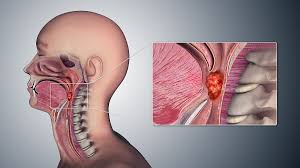
Larynx (Voice box): Located just below the pharynx, this structure contains the vocal cords.

Within these areas, different types of throat cancers can occur:

Glottic cancer: Starts in the vocal cords.

Supraglottic cancer: Occurs above the vocal cords.

Subglottic cancer: Found below the vocal cords.

Oropharyngeal cancer: Affects the tonsils, base of the tongue, and surrounding tissues.

Why does this matter?

Because the type and location determine the symptoms you may notice and the treatment plan doctors recommend. For instance, glottic cancers may first present with persistent hoarseness, while hypopharyngeal cancers are often silent until advanced stages.

Dr. Nayak, a pioneering expert in minimally invasive oncology, notes:

“The exact site of throat cancer helps doctors decide not just the surgery, but also whether radiation or chemotherapy is needed. Each type brings unique challenges, but with modern technology, we can preserve voice, swallowing, and appearance in most cases.”

Now that we know the “where,” let’s explore the “why”…

Causes of Throat Cancer

Throat cancer develops when cells in the throat grow uncontrollably. While the exact reason for this uncontrolled growth can vary, several risk factors make a person more vulnerable.

The leading causes and risk factors include:

Tobacco use: Cigarettes, cigars, and chewing tobacco are the strongest contributors.

Alcohol consumption: Heavy drinking combined with tobacco increases the risk several-fold.

Human papillomavirus (HPV) infection: Certain HPV strains are linked to oropharyngeal cancers.

Dietary factors: A lack of fruits and vegetables reduces natural protection against cancer.

Age and gender: Men over 50 are at higher risk, although cases in younger individuals are rising.

Family history: A genetic predisposition can also increase susceptibility to certain conditions.

The good news?

Many of these risk factors, like tobacco and alcohol, are preventable.

So, how do you know if something’s wrong? The body often sends warning signs. Let’s look at them.

Symptoms of Throat Cancer

Early detection depends on recognizing the subtle and obvious signs of throat cancer. Some symptoms may mimic common throat infections, which is why persistence matters.

The key symptoms include:

  • Hoarseness or voice changes lasting more than 2 weeks
  • Difficulty swallowing (dysphagia) or pain while eating
  • Persistent sore throat or the feeling of something stuck
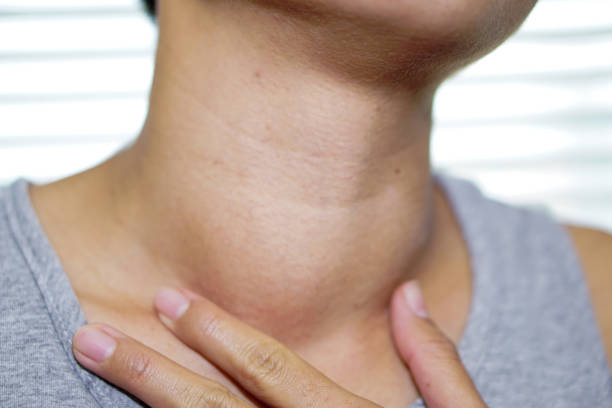
  • Swelling or lump in the neck that does not go away
  • Unexplained weight loss and fatigue
  • Ear pain (especially in oropharyngeal cancers)
  • Coughing up blood in advanced cases

Dr. Nayak, an acclaimed cancer surgeon in Bangalore, advises:

“One of the most important messages for the public is not to ignore hoarseness or a lump in the neck that lasts beyond two weeks. While not every symptom means cancer, timely evaluation can make the difference between a small, curable tumor and advanced disease.”

Have a question? Early detection is crucial for managing throat cancer. If you notice persistent symptoms, consult a medical professional for evaluation and guidance.
Now comes the next big step: how is throat cancer treated once it’s diagnosed?

Treatment for Throat Cancer

Treatment depends on the type, stage, and overall health of the patient. In modern oncology, the goal is not just survival, but also preserving speech, swallowing, and quality of life.

The main treatment approaches include:

Surgery

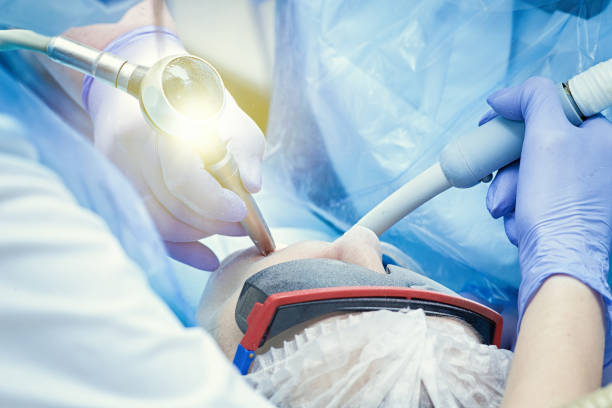
Minimally invasive procedures like transoral laser or robotic surgery are preferred when possible.

Advanced surgeries may involve the removal of part of the throat or voice box, with reconstruction to restore function.

Radiation therapy

High-energy beams target and destroy cancer cells.

Often used for early-stage cancers or combined with surgery/chemotherapy.

Chemotherapy

Drugs are administered orally or through IV to kill cancer cells.

Usually combined with radiation in advanced stages.

Targeted therapy & Immunotherapy

These modern approaches attack specific cancer cell mechanisms or boost the immune system.

The choice of treatment is highly personalized. In India, advanced centers like MACS Clinic in Bangalore now offer minimally invasiverobotic surgery, which reduces recovery time and improves outcomes. Globally, the overall 5-year survival rate ranges from 60% to 65%, although this varies depending on the site, stage, and access to treatment.

Even with advanced treatments available, timely diagnosis remains the most critical factor. When should you actually seek help? Here’s what to watch for.

When to See a Doctor

It’s easy to dismiss early throat cancer symptoms as minor issues. However, medical experts emphasize that early medical evaluation is key. You should consult a doctor if you notice:

  • Hoarseness, sore throat, or cough lasting beyond 2–3 weeks.
  • A lump or swelling in the neck.
  • Trouble swallowing food or liquids.
  • Unexplained weight loss or fatigue.
  • Prompt evaluation often allows for simpler treatment with better outcomes.

Conclusion

Throat cancer is a serious but treatable condition when detected early. With advances in surgery, radiation, and targeted therapies, survival rates continue to improve. Awareness of symptoms, lifestyle modifications, and timely medical attention are the most effective tools against throat cancer.
Have a question? Learn more about cutting-edge treatments and innovative surgical techniques for throat cancer. Contact an expert oncologist today to learn how these advanced options can enhance your care.
Before we conclude, let’s address some common questions patients frequently have.

Frequently Asked Questions

What are the first warning signs of throat cancer?
The earliest signs include persistent hoarseness, a sore throat that does not heal, or difficulty swallowing. These should not be ignored if they persist for more than two weeks.
Can you recover from throat cancer?
Yes. Many patients recover fully, especially when cancer is diagnosed early. Recovery also depends on the type of cancer, stage, and overall health.
Can stage 4 throat cancer be cured?
Stage 4 is advanced, but with multimodality treatment, surgery, radiation, chemotherapy, and newer therapies, some patients do achieve remission. However, the chances of a cure are lower compared to the early stages.
How to check for throat cancer at home?
Although there is no home test, you can monitor for warning signs such as hoarseness, lumps, or swallowing difficulties. If these persist, see a doctor immediately for proper evaluation.
What is the throat cancer survival rate by age?
Survival rates are generally higher in younger patients diagnosed early. Older individuals often have lower rates due to other health conditions and delayed diagnosis.
Is throat cancer what the Hollywood actor Michael Douglas had?
Michael Douglas revealed he had oropharyngeal cancer, a type of throat cancer often linked to HPV infection. His case brought global attention to the disease.

References:

https://my.clevelandclinic.org/health/diseases/23136-throat-cancer

https://www.mdanderson.org/cancer-types/throat-cancer.html


Disclaimer: The information shared in this content is for educational purposes only and not for promotional use.
10 Harmful Effects of Cigarette Smoking on the Respiratory System

10 Harmful Effects of Cigarette Smoking on the Respiratory System

Cigarette smoking is one of the leading causes of preventable illness worldwide. While many people know it damages the body, fewer understand just how deeply it harms the lungs. Every puff carries chemicals that slowly weaken breathing capacity, leaving the lungs struggling to function.

According to Dr. Sandeep Nayak, an experienced surgical oncologist in India, smoking not only causes cancer but also a range of chronic respiratory problems that reduce quality of life. Let’s look at the harmful effects in detail.

Thinking of quitting, but not sure how? Talk to a doctor for the proper support.
Let’s break down the harmful effects of tobacco in points one by one

10 Harmful Effects of Cigarette Smoking on the Respiratory System

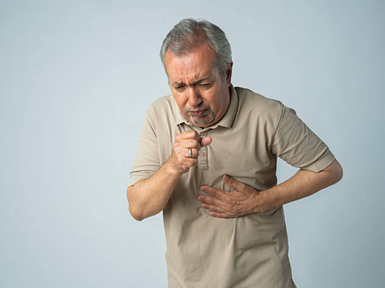
1. Chronic Bronchitis and Inflammation

Smoking irritates the lining of the airways. Over time, this irritation leads to swelling, excess mucus production, and persistent coughing. This condition is known as chronic bronchitis. Many smokers live with a “smoker’s cough” without realizing it signals long-term damage.

2. Emphysema and Airway Damage

The tiny air sacs (alveoli) in the lungs, which are responsible for oxygen exchange, help you breathe easily. Smoking destroys these delicate sacs, making it hard for oxygen to pass into the blood. This condition, called emphysema, causes breathlessness even during simple activities like walking.

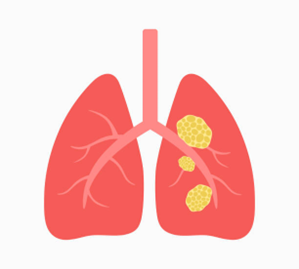
Increased Risk of Lung Cancer

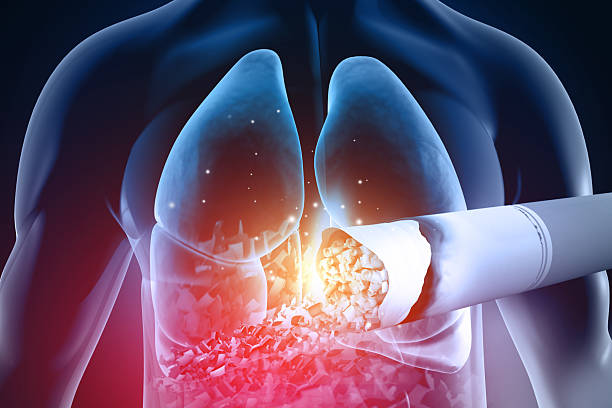
Cigarette smoke contains cancer-causing chemicals. These toxins damage lung cells, increasing the risk of lung cancer significantly. Dr. Sandeep Nayak emphasizes that smoking remains the number one cause of lung cancer worldwide. Early diagnosis and quitting smoking improve survival chances.

Increased Risk of Lung Cancer

Cigarette smoke contains cancer-causing chemicals. These toxins damage lung cells, increasing the risk of lung cancer significantly. Dr. Sandeep Nayak emphasizes that smoking remains the number one cause of lung cancer worldwide. Early diagnosis and quitting smoking improve survival chances.

4. Reduced Lung Function and Capacity

Smokers often notice they can’t keep up with physical activity. That’s because smoking reduces lung capacity. The lungs become less efficient at absorbing oxygen, making even light exercise feel exhausting.

5. Asthma Worsening

For people with asthma, cigarette smoke is a significant trigger. It causes airway tightening, more frequent attacks, and severe breathing problems. Even secondhand smoke can worsen asthma symptoms.

6. Weakened Immune Defense in Lungs

The lungs have natural defenses to fight bacteria and viruses. Smoking weakens these defenses, making it easier for infections such as pneumonia or the flu to take hold. Smokers often take longer to recover from respiratory infections.

7. Chronic Obstructive Pulmonary Disease (COPD)

COPD is a serious combination of chronic bronchitis and emphysema. It develops slowly but leads to permanent breathing difficulties. Many patients realize they have COPD only when it’s advanced, and by then, lung damage cannot be reversed.

8. Increased Risk of Tuberculosis (TB)

Smoking makes the lungs more vulnerable to tuberculosis bacteria. It also weakens the immune response, which means smokers with TB have worse outcomes compared to non-smokers.

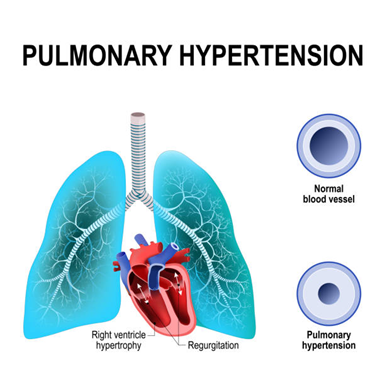
9. Pulmonary Hypertension

Cigarette smoking raises blood pressure in the lungs’ arteries, a condition known as pulmonary hypertension. This makes the heart work harder and can lead to serious complications, including heart failure.

10. Faster Aging of the Lungs

Just like skin, lungs age too. Smoking speeds up this process, making the lungs weaker much earlier in life. Smokers in their 30s or 40s may already experience lung capacity similar to that of non-smokers decades older.

Quitting smoking is the best way to lower lung cancer risk. Consult a specialist today for guidance.
Does smoking only harm smokers? Think again.

Additional Risks to Non-Smokers

Secondhand smoke is the combination of smoke from a burning cigarette and the smoke exhaled by the smoker. It carries thousands of harmful chemicals, many of which are toxic and cancer-causing. Even brief exposure can irritate the airways, while long-term exposure increases the risk of lung cancer, COPD, and heart disease in non-smokers.

Children face the highest risk. Exposure to secondhand smoke can trigger asthma attacks, frequent coughs, and lung infections like pneumonia. It also slows down lung growth, making breathing more difficult as they grow older.

What can be done? Let’s find out

Prevention and Recovery

The most effective step is to stop smoking. Within weeks of quitting, the lungs begin to repair themselves. Breathing becomes easier, oxygen levels improve, and persistent coughing starts to fade.

Dr. Sandeep Nayak states, “Many harmful effects of smoking can be slowed or even partially reversed with early lifestyle changes and medical guidance.”

Support groups, nicotine replacement therapies, and counseling provide the right support system for those who want to break free from cigarettes.

Conclusion

Cigarette smoking is not just a bad habit; it is a direct threat to the respiratory system. From chronic coughs to life-threatening diseases like lung cancer and COPD, the risks are real and serious. The good news is that quitting smoking can improve lung health and add years to your quality of life.
Quitting now gives your lungs time to heal. Speak with a doctor to know your options.

Frequently Asked Questions

What are the 5 respiratory diseases caused by smoking?
The five major diseases include chronic bronchitis, emphysema, COPD, lung cancer, and pneumonia.
What are the most common harmful effects of cigarette smoking on the respiratory system?
The most common effects are reduced lung capacity, chronic cough, increased infections, COPD, and higher cancer risk.
What is the link between smoking and COPD?
Smoking damages the airways and air sacs, leading to chronic bronchitis and emphysema. Together, these form COPD.
At what age do harmful respiratory effects of smoking start?
Lung damage can begin as early as the teenage years. Many smokers experience reduced lung function in their 20s and 30s.
What are the side effects of smoking cigarettes for males?
For males, smoking increases the risk of lung cancer, COPD, and reduced lung function. It also affects fertility, sexual health, and overall stamina, making breathing and physical performance more difficult over time.

FNAC vs Core Biopsy: Understanding the Difference in Cancer Diagnosis

FNAC vs Core Biopsy: Understanding the Difference in Cancer Diagnosis

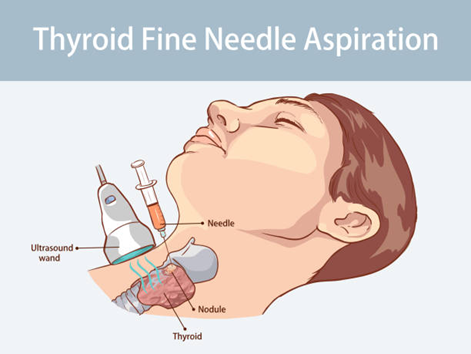
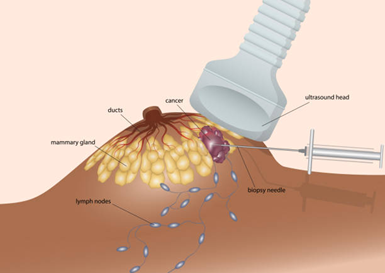
Accurate testing and confirmation are essential for detecting and diagnosing cancer. Dr. Sandeep Nayak, an experienced oncologist in Bangalore, often emphasizes that the right diagnostic approach helps not only confirm the presence of cancer but also determine its exact type, crucial for planning treatment. Two widely used methods for this are Fine Needle Aspiration Cytology (FNAC) and core biopsy. These techniques are used for suspected cancers in the breast, lymph nodes, thyroid, lung, and other areas.

Let’s understand the basics.

What is FNAC?

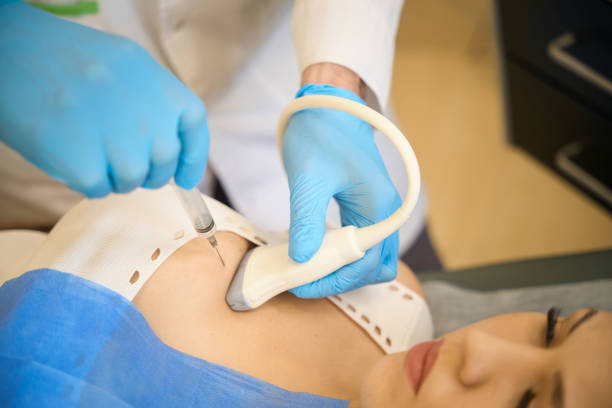
FNAC is a quick and minimally invasive test used to check for cancer cells. A very thin needle is inserted into the suspicious area to collect a small sample of cells. These cells are then spread on a glass slide and examined by a pathologist.

FNAC is often used as an initial screening method because it is:

  • Quick and relatively painless
  • Requires no stitches or significant recovery time
  • Often performed in an outpatient setting

However, since FNAC collects only a few cells, it may not always provide enough information about the type or stage of cancer.

What is Core Biopsy?

A core needle biopsy, sometimes called a Tru-Cut biopsy, involves using a slightly larger needle to remove a small cylinder of tissue from the lump. The sample is about the size of a pencil lead or pen nib and contains intact tissue architecture.

This provides pathologists with more material for testing, which allows for:

  • Confirmation of the diagnosis
  • Determining the type and grade of the tumor
  • Performing additional molecular or receptor studies that help plan treatment

Because of these advantages, core biopsy is commonly preferred in many cancer diagnosis protocols, though the choice depends on the clinical situation.

“FNAC vs Core Biopsy isn’t just a technical choice—it’s about ensuring we get the right information at the right time to guide effective treatment,” says Dr. Nayak.

If you are facing a biopsy, it’s important to understand your options. Speak with your doctor to choose the best path forward.
Check out the difference between FNAC and core biopsy in the table below.

FNAC vs Core Biopsy: Key Differences

While both procedures help detect cancer, their scope and accuracy differ significantly:

 Aspect

FNAC

Core Biopsy

Sample type

Cells only

Tissue sample

Needle size

Thin, fine needle

Larger, hollow needle

Information provided

Basic confirmation of abnormal cells

Detailed tumor type, grade, and molecular profile

Accuracy

Can sometimes miss cancer (false negatives)

Higher accuracy for diagnosis and tumor typing

Procedure time

Shorter

Slightly longer

Recovery

Minimal

Minimal to mild soreness

Let’s weigh the pros and cons.

Advantages & Disadvantages

FNAC and core biopsy come with their own set of benefits and drawbacks.

FNAC

Advantages

  • Minimally invasive: The procedure is quick and usually well-tolerated.
  • Lower cost: FNAC tends to be less expensive than a core biopsy.
  • Quick results: The procedure can be done in a shorter time, and the results are often available relatively quickly.

Disadvantages

  • Inaccurate results: FNAC has a higher chance of missing cancerous cells or providing inconclusive results.
  • Limited information: It does not allow for detailed molecular analysis.

Core Biopsy

Advantages

  • Accurate diagnosis: Core biopsy provides a larger sample, which improves diagnostic accuracy.
  • Advanced testing: Enables the use of genetic and molecular testing to inform personalized treatment plans.
  • More comprehensive information: Can determine tumor subtypes and other vital details that impact treatment.

Disadvantages

  • Invasiveness: Although minimally invasive, core biopsy requires a larger needle and may involve more discomfort.
  • Longer recovery: The procedure may cause some swelling, bruising, and soreness that can take longer to heal compared to FNAC.
Want to know more about the process? Discuss the benefits and risks of FNAC and core biopsy with your healthcare team.
So, which one gives more precise answers?

Which Test is More Accurate?

FNAC is helpful as a preliminary test but has limitations in accuracy, especially when the cancer is small or located deep within the tissue. As Dr. Nayak explains, a core biopsy provides a more comprehensive sample, making it more reliable for diagnosis and treatment planning. If chemotherapy or targeted therapy is needed before surgery, a core biopsy is usually the test of choice.

So, when should each test be done?

When is FNAC Recommended?

FNAC may be suggested when:

  • The lump is easily accessible and superficial.
  • A quick, preliminary result is needed.
  • The risk of cancer is considered low.
  • The patient cannot undergo a more invasive test immediately.

When is Core Biopsy Recommended?

A core biopsy is preferred when:

  • Cancer is strongly suspected based on imaging or examination.
  • Detailed tumor profiling is required for treatment planning.
  • The patient may need chemotherapy before surgery (neoadjuvant therapy).
  • FNAC results are inconclusive or contradictory.
Here’s what to expect after the procedure.

Risks & Recovery

FNAC Risks:

  • Slight bleeding
  • Temporary discomfort

Core Biopsy Risks:

  • Mild swelling or bruising at the site
  • Rare chance of infection

Recovery Tips:

  • Apply gentle pressure or a cold pack to reduce swelling
  • Keep the biopsy site clean and dry as advised
  • Avoid strenuous activity for 24 hours

Recovery from a core biopsy might take longer than FNAC due to the larger needle and more significant tissue removal, but most patients recover within a few days.

Conclusion

FNAC and core biopsy play important roles in cancer detection, but they differ in the amount of information they provide. FNAC is quick and minimally invasive, while core biopsy offers greater accuracy and detail, often making it the preferred choice in modern cancer care.
Are you wondering which is better, FNAC or core biopsy? Speak to your doctor about which biopsy method is best suited for your diagnosis and treatment needs.

Frequently Asked Questions

Can I eat before an FNAC or core biopsy?
Yes, in most cases, you can eat normally before either procedure unless your doctor advises otherwise.
Are both tests painful?
Both are usually performed under local anesthesia, so pain is minimal. You may feel slight pressure or discomfort during the procedure.
Which test is better for cancer detection?
Core biopsy is generally more accurate because it collects a larger tissue sample for detailed analysis.
How long do results take?
FNAC results may be available within 1–2 days, while core biopsy results can take 3–5 days due to comprehensive testing.