


FNAC vs Core Biopsy: Understanding the Difference in Cancer Diagnosis
Accurate testing and confirmation are essential for detecting and diagnosing cancer. Dr. Sandeep Nayak, an experienced oncologist in Bangalore, often emphasizes that the right diagnostic approach helps not only confirm the presence of cancer but also determine its exact type, crucial for planning treatment. Two widely used methods for this are Fine Needle Aspiration Cytology (FNAC) and core biopsy. These techniques are used for suspected cancers in the breast, lymph nodes, thyroid, lung, and other areas.

Let’s understand the basics.
What is FNAC?

FNAC is a quick and minimally invasive test used to check for cancer cells. A very thin needle is inserted into the suspicious area to collect a small sample of cells. These cells are then spread on a glass slide and examined by a pathologist.
FNAC is often used as an initial screening method because it is:
- Quick and relatively painless
- Requires no stitches or significant recovery time
- Often performed in an outpatient setting
However, since FNAC collects only a few cells, it may not always provide enough information about the type or stage of cancer.
What is Core Biopsy?
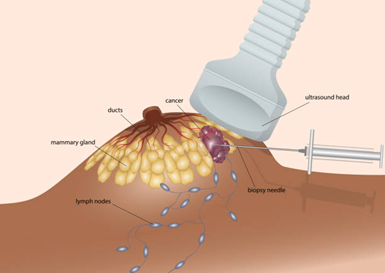
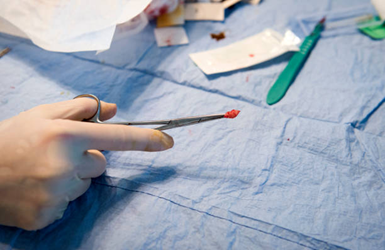
A core needle biopsy, sometimes called a Tru-Cut biopsy, involves using a slightly larger needle to remove a small cylinder of tissue from the lump. The sample is about the size of a pencil lead or pen nib and contains intact tissue architecture.
This provides pathologists with more material for testing, which allows for:
- Confirmation of the diagnosis
- Determining the type and grade of the tumor
- Performing additional molecular or receptor studies that help plan treatment
Because of these advantages, core biopsy is commonly preferred in many cancer diagnosis protocols, though the choice depends on the clinical situation.
“FNAC vs Core Biopsy isn’t just a technical choice—it’s about ensuring we get the right information at the right time to guide effective treatment,” says Dr. Nayak.
If you are facing a biopsy, it’s important to understand your options. Speak with your doctor to choose the best path forward.
Check out the difference between FNAC and core biopsy in the table below.
FNAC vs Core Biopsy: Key Differences
While both procedures help detect cancer, their scope and accuracy differ significantly:
|
Aspect |
FNAC |
Core Biopsy |
|
Sample type |
Cells only |
Tissue sample |
|
Needle size |
Thin, fine needle |
Larger, hollow needle |
|
Information provided |
Basic confirmation of abnormal cells |
Detailed tumor type, grade, and molecular profile |
|
Accuracy |
Can sometimes miss cancer (false negatives) |
Higher accuracy for diagnosis and tumor typing |
|
Procedure time |
Shorter |
Slightly longer |
|
Recovery |
Minimal |
Minimal to mild soreness |
Let’s weigh the pros and cons.
Advantages & Disadvantages

FNAC and core biopsy come with their own set of benefits and drawbacks.
FNAC
Advantages
- Minimally invasive: The procedure is quick and usually well-tolerated.
- Lower cost: FNAC tends to be less expensive than a core biopsy.
- Quick results: The procedure can be done in a shorter time, and the results are often available relatively quickly.
Disadvantages
- Inaccurate results: FNAC has a higher chance of missing cancerous cells or providing inconclusive results.
- Limited information: It does not allow for detailed molecular analysis.
Core Biopsy
Advantages
- Accurate diagnosis: Core biopsy provides a larger sample, which improves diagnostic accuracy.
- Advanced testing: Enables the use of genetic and molecular testing to inform personalized treatment plans.
- More comprehensive information: Can determine tumor subtypes and other vital details that impact treatment.
Disadvantages
- Invasiveness: Although minimally invasive, core biopsy requires a larger needle and may involve more discomfort.
- Longer recovery: The procedure may cause some swelling, bruising, and soreness that can take longer to heal compared to FNAC.
Want to know more about the process? Discuss the benefits and risks of FNAC and core biopsy with your healthcare team.
So, which one gives more precise answers?
Which Test is More Accurate?
FNAC is helpful as a preliminary test but has limitations in accuracy, especially when the cancer is small or located deep within the tissue. As Dr. Nayak explains, a core biopsy provides a more comprehensive sample, making it more reliable for diagnosis and treatment planning. If chemotherapy or targeted therapy is needed before surgery, a core biopsy is usually the test of choice.
So, when should each test be done?
When is FNAC Recommended?
FNAC may be suggested when:
- The lump is easily accessible and superficial.
- A quick, preliminary result is needed.
- The risk of cancer is considered low.
- The patient cannot undergo a more invasive test immediately.
When is Core Biopsy Recommended?
A core biopsy is preferred when:
- Cancer is strongly suspected based on imaging or examination.
- Detailed tumor profiling is required for treatment planning.
- The patient may need chemotherapy before surgery (neoadjuvant therapy).
- FNAC results are inconclusive or contradictory.
Here’s what to expect after the procedure.
Risks & Recovery

FNAC Risks:
- Slight bleeding
- Temporary discomfort
Core Biopsy Risks:
- Mild swelling or bruising at the site
- Rare chance of infection
Recovery Tips:
- Apply gentle pressure or a cold pack to reduce swelling
- Keep the biopsy site clean and dry as advised
- Avoid strenuous activity for 24 hours
Recovery from a core biopsy might take longer than FNAC due to the larger needle and more significant tissue removal, but most patients recover within a few days.
Conclusion
FNAC and core biopsy play important roles in cancer detection, but they differ in the amount of information they provide. FNAC is quick and minimally invasive, while core biopsy offers greater accuracy and detail, often making it the preferred choice in modern cancer care.
Are you wondering which is better, FNAC or core biopsy? Speak to your doctor about which biopsy method is best suited for your diagnosis and treatment needs.
Frequently Asked Questions
Can I eat before an FNAC or core biopsy?
Yes, in most cases, you can eat normally before either procedure unless your doctor advises otherwise.
Are both tests painful?
Both are usually performed under local anesthesia, so pain is minimal. You may feel slight pressure or discomfort during the procedure.
Which test is better for cancer detection?
Core biopsy is generally more accurate because it collects a larger tissue sample for detailed analysis.
How long do results take?
FNAC results may be available within 1–2 days, while core biopsy results can take 3–5 days due to comprehensive testing.

Prostate Cancer: The Need for Awareness and Early Screening
Prostate cancer is one of the most common cancers that affects men across the globe. It ranks second in cancer incidence among men in India. Every year, thousands of new cases are diagnosed. Prostate cancer remains a major health concern in older men, despite medical treatment advancements. Awareness is very important as we fight prostate cancer since early detection greatly improves treatment success rates.
According to Dr. Sandeep Nayak, a world-renowned surgical oncologist in India, “Raising awareness about prostate cancer is essential for early detection, as it enables timely treatment and improves both survival rates and quality of life.” With over two decades of expertise in cancer care, Dr. Nayak emphasizes the importance of patient education and regular screening. He stresses that awareness can make a significant difference in outcomes for those affected by prostate cancer.
September brings attention to a cause that affects millions of men. Let’s explore how this month helps educate, promote screenings, and drive research.
What is Prostate Cancer Awareness Month?
Prostate Cancer Awareness Month is observed annually in September, a time when organizations and individuals come together to raise awareness about prostate cancer. The purpose is to demonstrate the benefits of early cancer detection, discuss available treatments, and explain how active research can lead to improved outcomes. The month lets people share valuable information, resources, and personal stories that highlight why regular check-ups along with screening are important.

Prostate cancer is not only a global health concern but also one that presents unique challenges in different regions, including India. Prostate Cancer Awareness Month serves as a reminder of these varied needs, drawing attention to issues such as late diagnosis, limited awareness, and access to care. At the same time, it reinforces the vital role of early screening and lifestyle modifications in lowering risks and improving outcomes for men worldwide.
Why Prostate Cancer Awareness is Crucial?
Prostate cancer is often referred to as a “silent” disease because it may not show symptoms in its early stages. However, when symptoms do appear, it may be too late for effective treatment. This is where awareness becomes critical.
By raising awareness about the risk factors and the significance of early detection, Prostate Cancer Awareness Month in India empowers men to take control of their health through regular screenings.
Dr. Sandeep Nayak emphasizes, “The more men are aware of the risk factors and signs of prostate cancer, the more likely they are to get diagnosed early, which significantly increases the chance of effective treatment.”
Let’s explore the basics of this common cancer and how it affects the prostate gland.
What is Prostate Cancer?
Prostate cancer develops in the prostate gland, a small walnut-shaped organ located below the bladder in men. The prostate produces seminal fluid that nourishes and transports sperm.
In the initial stage, prostate cancer may not cause noticeable symptoms. As it progresses, it may spread into surrounding tissues or other parts of the body, so early detection via screenings along with tests is even more important.
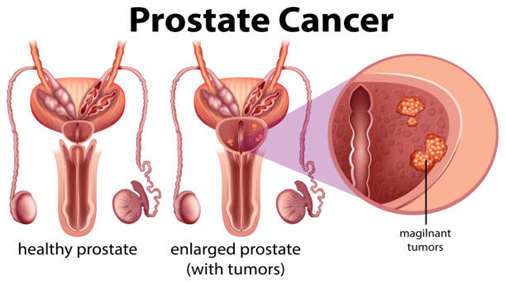
Prostate cancer can behave differently in each person. Some types grow very slowly, while others are more aggressive. Treatment options depend on many factors, such as the stage of cancer, the person’s overall health, and their personal choices.
Take charge of your health by understanding prostate cancer. Connect with a specialist for a thorough evaluation and guidance on your next steps.
Let us uncover the common signs as well as symptoms of prostate cancer, so awareness of them can lead to an early intervention.
Symptoms to Watch For

Recognizing the possible signs of prostate cancer is important, although symptoms may not appear until the disease has progressed. Common symptoms include:
* Frequent urination, especially at night
* Starting or stopping urination is difficult.
* Urine flow is interrupted or is weak.
* Pain is felt while urinating, or a burning sensation occurs
* There can be blood inside your urine or semen
* Painful ejaculation
* Persistent pain within the lower back, the hip, or the pelvis
* Unexplained weight loss
* Erectile dysfunction
It’s important to remember that these symptoms do not always mean cancer. If you experience any of these symptoms, you must consult with a healthcare provider as soon as possible to properly diagnose and evaluate.
Certain factors can increase the likelihood of developing prostate cancer. Let’s discuss the key risk factors that can help you stay ahead.
Risk Factors
Many risk factors may cause the development of prostate cancer. These include:
- Age: Men over 50 are at a higher risk.
- Family History: A family history of prostate cancer increases your risk.
- Race and Ethnicity: African American men have a higher risk compared to other racial groups.
- Genetic Factors: Certain genetic mutations, such as those in the BRCA1 and BRCA2 genes, may increase the risk.
- Diet: High-fat diets have been linked to an increased risk of prostate cancer.
- Obesity: Being overweight or obese can increase the risk.
- Hormones: High levels of testosterone may contribute to the development of prostate cancer.
Understanding these risk factors can help individuals take preventive measures, including regular screenings and lifestyle changes.
How do doctors screen for prostate cancer, and why is it so important? Let’s explore all of the tests used for early diagnosis.
Screening and Diagnosis
With early detection of prostate cancer, the chances of successful treatment do improve quite significantly. Several methods exist for the screening and diagnosis of prostate cancer:
- Digital Rectal Exam (DRE):
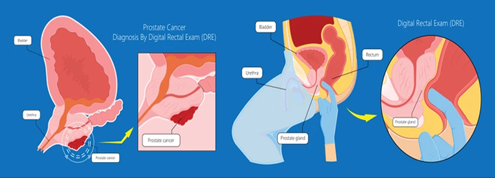
The doctor checks the prostate for any abnormalities. They insert a finger into the rectum to do this.
- Prostate-Specific Antigen (PSA) Test:
This blood test measures PSA, a protein produced by the prostate. High amounts found may point to prostate cancer.
- Biopsy:
If the DRE test or the PSA test shows abnormal results, a biopsy may be performed to confirm the diagnosis.
- MRI and Ultrasound:
The size of the tumor and its spread can be determined through the use of advanced imaging techniques.
Screening especially for higher-risk men is important; it should be done regularly when a man is at 50 or earlier with family disease history.
Let’s discover the available options for treating prostate cancer.
Treatment Options
There are several treatment options for prostate cancer, which may include one or more of the following:
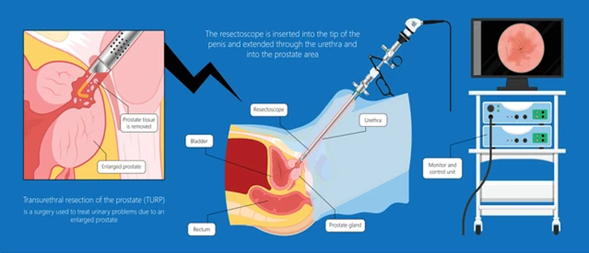
- Surgery: Removal of the prostate gland (prostatectomy) is often used for localized prostate cancer.
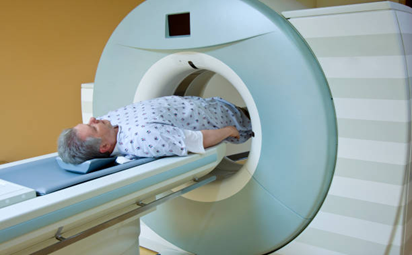
- Radiation Therapy: High-energy rays are used to target and kill cancer cells.
- Hormone Therapy: Medications or surgery that lower testosterone levels can slow the growth of prostate cancer.
- Chemotherapy: Used to treat advanced or metastatic prostate cancer.
- Immunotherapy: Treatments that help the immune system fight cancer cells.
- Active Surveillance: For slow-growing cancers, doctors may monitor the condition rather than immediately treating it.
“Each treatment option has its pros and cons, and the right approach depends on the type and stage of cancer, as well as the patient’s overall health,” explains Dr. Sandeep Nayak.
What is life like after a prostate cancer diagnosis? Let’s explore how many men lead fulfilling lives post-treatment.
Living with Prostate Cancer
Living with prostate cancer can be challenging, but many men continue to lead fulfilling lives after diagnosis and treatment. The key is early detection, followed by appropriate treatment and support.
Mental and emotional health are also important aspects of living with prostate cancer. Support groups and counseling can help individuals and their families cope with the emotional impact of the diagnosis and treatment process.
Let’s explore easy ways you can get involved and make a difference in the fight against prostate cancer.
How You Can Get Involved

During Prostate Cancer Awareness Month, there are several ways to get involved and raise awareness:
* Wear Blue: Show your support by wearing the official prostate cancer awareness color.
* Donate: Give support for prostate cancer research organizations through your contributions.
* Share Information: Spread the word on social media, talk with friends and family, and you should encourage others to get screened.
* Fundraise: Participate in some events or even host other events for the sake of both awareness and prostate cancer research funds.
Take part in this most important cause. Contact an expert to learn how you can support prostate cancer awareness.
Final Thoughts
September marks Prostate Cancer Awareness Month, a necessary time to reflect on the significance of early detection, raise awareness, and promote education about prostate cancer. The importance of regular screening cannot be overstated, and it is crucial for men, especially those at higher risk, to take action and prioritize their health. By working together, we can make a real difference in the lives of those affected by prostate cancer.
Frequently Asked Questions
What are the top 10 signs of prostate cancer?
Frequent urination, difficulty urinating, blood in urine or semen, pain in the lower back, hips, or pelvis, painful ejaculation, erectile dysfunction, unexplained weight loss, fatigue, painful urination, and persistent pain are common signs of prostate cancer.
What is the color for prostate cancer month?
The color for prostate cancer awareness is blue.
What is the survival rate for prostate cancer?
Prostate cancer has a high survival rate when detected early. The 5-year survival rate for localized and regional stages is nearly 100%, while advanced stages may have lower outcomes, emphasizing the importance of timely screening.
Can lifestyle changes reduce the risk of prostate cancer?
Yes. Maintaining a healthy weight, exercising regularly, eating a diet rich in fruits, vegetables, and whole grains, and avoiding smoking and excessive alcohol can lower the risk and support better treatment outcomes.
Why is awareness about prostate cancer important?
Awareness encourages men to recognize symptoms early, go for regular screenings, and adopt healthier lifestyles, all of which can significantly improve survival and quality of life.
Reference links:
https://www.aacr.org/patients-caregivers/awareness-months/prostate-cancer-awareness-month/
https://www.urologyhealth.org/media-center/prostate-cancer-info-center
Disclaimer: The information shared in this content is for educational purposes and not for promotional use.
Rectal Cancer Stages
Receiving a cancer diagnosis can be a life-altering moment. For many patients, it raises immediate concerns about survival, treatment options, and what lies ahead. Among the various forms of colorectal cancers, rectal cancer is particularly concerning due to its rising incidence in both younger and older adults.
Globally, colorectal cancer is the third most commonly diagnosed cancer and the second leading cause of cancer-related deaths, according to the World Health Organization. In India, the incidence of rectal cancer is steadily increasing, with lifestyle factors, delayed screenings, and limited awareness playing a role.
“Many people associate rectal bleeding with minor issues like piles (hemorrhoids), but for individuals above 45, it’s important to consider cancer as a possibility. Early detection through routine screening can significantly improve outcomes,” says Dr. Sandeep Nayak, a senior oncologist based in Bangalore, India.”
Concerned about recent changes in bowel habits or rectal bleeding? Consult a qualified doctor to assess your risk and discuss appropriate next steps. Early intervention can improve outcomes
This page will guide you through the five Rectal Cancer Stages, explain the diagnostic tools used, and help you understand how prognosis varies based on the stage. Whether you are a patient, caregiver, or simply seeking knowledge, this comprehensive guide aims to empower your decision-making with clarity and compassion.
Let’s break it down:
What Is Cancer Staging and Why Does It Matter?

Cancer staging refers to how far the disease has progressed in the body. It helps doctors decide the best treatment approach and estimate a patient’s outlook. In rectal cancer, staging typically ranges from Stage 0 to Stage IV.
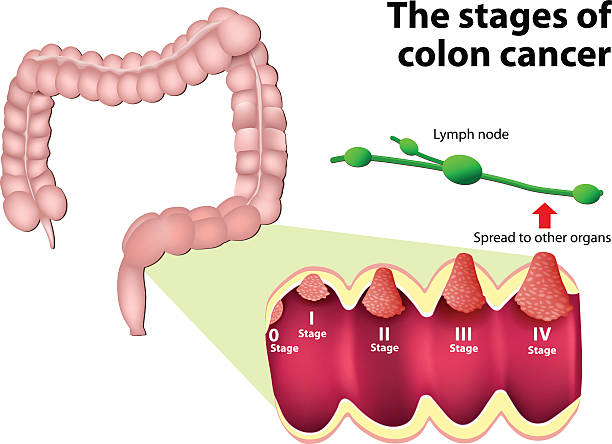
Stage 0 – Carcinoma in Situ
- At this stage, cancer cells are present only in the innermost lining (mucosa) of the rectum.
- The tumor hasn’t invaded deeper layers or spread to lymph nodes.
- Often asymptomatic or detected incidentally during screening.
- Can be removed endoscopically through the anus—no major surgery required.
“Stage 0 rectal cancer is the earliest and most treatable phase. It allows for intervention with minimal surgery and high cure rates,” notes Dr. Nayak.
Stage I – Localized Cancer
Here, the cancer has grown beyond the mucosa but hasn’t broken through the rectal wall entirely.
Common Stage 1 Rectal Cancer Symptoms:
- Blood in stool
- Mild changes in bowel habits
- Misdiagnosed frequently as hemorrhoids
Diagnosis usually involves:
- Colonoscopy with biopsy
- MRI or CT scans to evaluate depth
Treatment:
- Surgery alone is typically curative.
- In select cases, radiotherapy is considered before surgery.
Stage II – Wall-Penetrating Cancer
At Stage II, the cancer has invaded through the rectal wall but hasn’t reached lymph nodes or distant organs.
Symptoms may include:
- Alternating diarrhea and constipation
- Pelvic discomfort
- Blood in stool
Treatment Plan:
- Neoadjuvant therapy (radiotherapy ± chemotherapy) before surgery
- This reduces tumor size and prevents recurrence
“In Stage II cases, pre-surgery therapy (neoadjuvant therapy) is strongly recommended as it can improve outcomes by reducing tumor size and lowering recurrence risk. When treated systematically, Stage II rectal cancer also has a high survival rate,” says Dr. Nayak.
Stage III – Lymph Node Involvement
Now the cancer has spread to nearby lymph nodes. This stage is often termed locally advanced.
Stage 3 Rectal Cancer Symptoms:
- Persistent bowel changes
- Pelvic or abdominal pain
- Rectal bleeding
- Possible bowel obstruction
Diagnosis includes:
- Colonoscopy
- MRI, CT, or PET CT scans for detailed staging
Treatment Strategy:
- Neoadjuvant chemoradiotherapy
- Followed by surgery to remove cancer and affected nodes
“Even at Stage III, the goal is cure. The tumor may be large or aggressive, but with multimodal treatment, long-term survival is possible,” shares Dr. Nayak.
Stage 3 rectal cancer survival rate by age:
- Patients below 60 years often show better recovery outcomes.
- With aggressive treatment, approximately 50–60% of patients may achieve long-term remission.
Stage IV – Distant Metastasis
In Stage IV, rectal cancer has spread to distant organs, such as:
- Liver
- Lungs
- Bones
- Peritoneal (abdominal) cavity
Symptoms depend on spread:
- Abdominal pain
- Jaundice or liver swelling
- Chronic cough (if lungs involved)
- Painful bowel movements or obstructions
Treatment Options:
- Systemic chemotherapy
- Surgery (in select cases) to remove metastases
- Advanced techniques like HIPEC for abdominal spread
“Not all Stage IV cancers are untreatable. If metastases are limited, surgery may be considered to attempt a cure. Although the prognosis is generally poorer, some Stage IV cases with limited lung or liver spread may have improved survival rates after surgery,” emphasizes Dr. Nayak.
Have questions about your diagnosis or symptoms? Early detection is crucial for managing rectal cancer. If you’re experiencing persistent symptoms, consult a qualified doctor for evaluation.
Diagnostic Tools for Staging Rectal Cancer

Understanding the extent of cancer helps tailor the treatment. Here are the tools typically used:
Colonoscopy: Visual inspection and biopsy of the rectum
MRI Scan: Provides clear images of local tumor invasion
CT Scan: Detects spread to distant organs
PET-CT: Shows cancer activity across the body
Blood Tests: Includes CEA (tumor marker) and basic panels to assess overall health
“Imaging is not just about detection; it guides our treatment and lets us anticipate complications. Each tool has a role, and doctors often combine them for accurate staging,” Dr. Nayak explains.
Prognosis by Stage – What Do the Survival Rates Say?

The prognosis of rectal cancer heavily depends on its stage at diagnosis. Here’s how it typically breaks down:
Stage 0: Nearly 100% survival rate with endoscopic removal.
Stage I: Over 95% survival rate with surgery alone.
Stage II: Around 80–85% survival rate with combination therapy.
Stage III: Varies based on lymph node involvement, but typically 50–60% survival rate.
Stage IV: About 10–20% average survival rate, but can reach up to 40–50% in select cases where surgery for isolated metastases is possible.
Early screening and timely treatment can significantly improve outcomes, especially for those under 60.
Confused by treatment options or survival statistics? Learn more about available treatments and surgical techniques for rectal cancer. For personalized advice, consult a qualified doctor.
Summary
Rectal cancer staging plays a crucial role in shaping treatment strategies and outcomes. From early-stage localized tumors to advanced cancers that have spread to other organs, each stage presents unique challenges—but also opportunities for cure and control. With prompt diagnosis and expert care, patients can expect vastly improved outcomes, even in higher stages.
Support
At MACS Clinic, we aim to provide patient-centered and comprehensive care. For international patients, the process is designed to minimize the need for multiple visits. Most of the treatment, including diagnosis, surgery, and initial recovery, can often be completed in one visit to Bangalore. Follow-up care is coordinated online or in your home country. Our team, led by Dr. Sandeep Nayak, is dedicated to supporting patients throughout their cancer journey.
Frequently Asked Questions
How is rectal cancer staging confirmed?
Staging is confirmed through a combination of tests: colonoscopy with biopsy, MRI, CT or PET scans, and blood tests. Final staging is often only confirmed after surgery when the tumor and lymph nodes are examined microscopically.
Can the cancer stage change during treatment?
Yes. Initial imaging may show an advanced stage, but after neoadjuvant therapy (pre-surgery), the cancer may shrink significantly. Conversely, more cancer might be found during surgery, which can upgrade the stage.
Is rectal cancer curable at Stage III?
Absolutely. With a combination of chemoradiotherapy and surgery, many Stage III patients achieve long-term remission. While there’s a risk of recurrence, careful follow-up and postoperative care improve survival outcomes.
Does every stage of rectal cancer need surgery?
Not always. Stage 0 can often be treated without major surgery. Stage IV may not benefit from surgery if metastases are widespread. However, surgery is the backbone of treatment for most Stage I–III cancers.
Is robotic surgery available for all rectal cancer stages?
Robotic surgery is increasingly used for Stage I–III rectal cancers. It may offer improved precision, quicker recovery, and reduced complications in some cases. However, its use in Stage IV depends on the extent of spread and whether curative surgery is feasible.
References:
https://www.mayoclinic.org/diseases-conditions/rectal-cancer/symptoms-causes/syc-20352884
https://my.clevelandclinic.org/health/diseases/21733-rectal-cancer
Disclaimer: Individual results may vary. This information is for educational purposes only and does not substitute for professional medical advice. Please consult a qualified doctor for personalized recommendations.
Colon vs. Rectal Cancer: Understanding the Key Differences
Colorectal cancers, which encompass both colon and rectal cancers, are among the most commonly diagnosed cancers worldwide. According to recent studies, colorectal cancer ranks as the third most common cancer globally and is increasingly prevalent in India due to changing dietary habits, sedentary lifestyles, and genetic predispositions. While both cancers originate in the large intestine, understanding their differences is crucial for timely diagnosis and effective treatment.
Dr. Sandeep Nayak, a surgical oncologist in India, emphasizes, “Early detection and understanding the exact location of the cancer play a vital role in crafting the right treatment strategy.”

With over two decades of experience, Dr. Sandeep Nayak performs such advanced procedures, which may help improve outcomes and recovery times for some patients. He and his team treat gastrointestinal cancers and aim to provide care tailored to each patient’s condition.
Let’s start by understanding the basics of these conditions.
What is Colon Cancer?
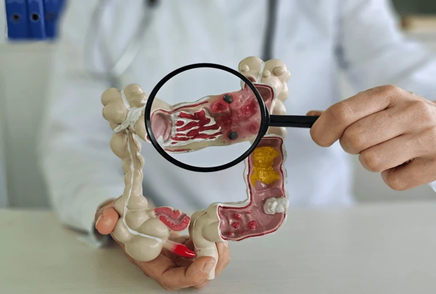
Colon cancer originates in the colon, the longest part of the large intestine. It usually begins as benign polyps, which can turn cancerous over time if left untreated. Symptoms often develop gradually and may include changes in bowel habits, abdominal discomfort, unexplained weight loss, and blood in the stool. Because the colon is a large and flexible organ, early-stage colon cancer may not cause noticeable symptoms, making regular screenings essential.
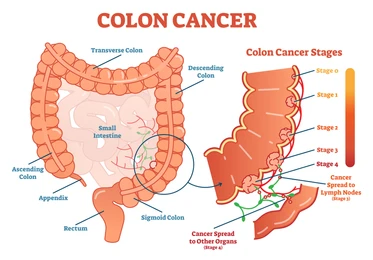
The primary risk factors for colon cancer include age (over 50), a family history of colorectal cancers, inflammatory bowel disease, and lifestyle factors such as low-fiber diets and physical inactivity. Timely colonoscopy screenings help detect precancerous polyps, enabling early intervention before the disease progresses to an advanced stage.
Wondering how this differs from colon cancer? Let’s explore…
What is Rectal Cancer?
Rectal cancer forms in the last several inches of the large intestine, known as the rectum. Common symptoms include rectal bleeding, a persistent feeling of incomplete bowel movements, pain during defecation, and sudden changes in bowel habits. One of the key challenges in treating rectal cancer is its location within a narrow pelvic cavity.
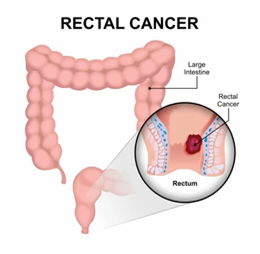
This anatomical constraint often necessitates precision surgical approaches, such as minimally invasive or robotic-assisted surgeries, to effectively remove cancerous tissues while minimizing complications. Dr. Sandeep Nayak specializes in such advanced procedures, ensuring better outcomes and quicker recovery.
Colon vs. Rectal Cancer: What’s the Difference?
Here’s a quick comparison to make things crystal clear…
| Aspect | Colon Cancer | Rectal Cancer |
| Location | Large intestine (colon) | Final part of the large intestine (rectum) |
| Common Symptoms | Abdominal pain, blood in stool, unexplained weight loss | Rectal bleeding, pain during bowel movements, change in bowel habits |
| Treatment Approach | Surgery, chemotherapy, targeted therapies | Surgery (complex), radiation therapy, chemotherapy |
| Surgical Complexity | Generally less complex | More complex due to pelvic anatomy |
| Recurrence Risk | Lower | Higher, requires careful post-treatment monitoring |
Why is Rectal Cancer Different from Colon Cancer?
The colon is about 5 meters long and mainly functions to absorb water from the stool. The rectum, which is the last 15 cm of the large intestine, acts as a temporary storage area before stool is passed out. At first glance, it might seem that both colon and rectal cancers would require similar treatment. However, their locations within the body create very different challenges.
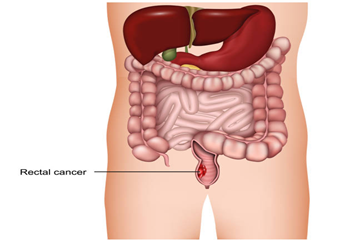
Rectal cancer, particularly if it occurs in the lower rectum, is far more challenging to cure. This is because it lies deep within the bony pelvis, a compact space filled with vital structures such as the male urinary bladder and female uterus. The confined space complicates surgical removal and raises the risk for local recurrence—cancer coming back to the initial site following treatment.
To lessen this risk, rectal cancer patients frequently undergo radiation therapy prior to surgery. Pre-treatment shrinks the tumor and enhances surgical results.
Dr. Nayak also points out that in India, roughly 65–70% of colorectal cancers are on the left side of the colon or in the rectum, making rectal cancer a relatively common condition.
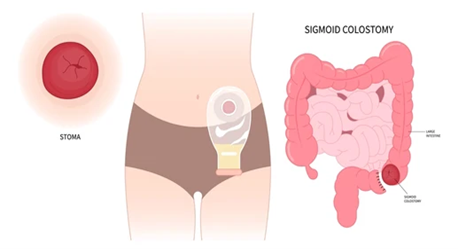
Due to its location, it can be challenging to preserve the anal sphincter during surgery. A permanent stoma (a bag for waste removal) may be required in some cases, though newer surgical techniques may help avoid this in selected patients.
👉Watch the full explanation here: Why Rectal Cancer is Different from Colon Cancer – Dr. Sandeep Nayak
Trying to understand your diagnosis better? A personalized consultation with a cancer specialist can help clarify your options.
Here’s what you need to know before deciding on a treatment path…
Is Colon vs Rectal Cancer Treatment Different?
Although both colon and rectal cancers are in the general category of colorectal cancers, both cancers have very different treatments in accordance with anatomical, functional, and surgical factors. Understanding these differences is crucial for patients and caregivers to make informed decisions.
Treatment for Colon Cancer:
- Primary Approach – Surgery:
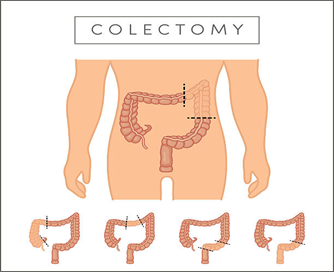
The cornerstone of colon cancer treatment is surgical resection of the affected segment of the colon, called a colectomy. In early disease, surgery alone can sometimes be curative. Dr. Sandeep Nayak performs minimally invasive laparoscopic and robotic-assisted surgeries, which may offer quicker recovery and shorter hospital stays for some patients.
- Chemotherapy:
When the cancerous growth extends to nearby lymph nodes or distant organs, adjuvant chemotherapy is advised after surgery. The aim is to reduce the risk of cancer recurrence by targeting any remaining cancer cells.
- Targeted Therapy:
In advanced cases, targeted drugs such as bevacizumab or cetuximab (generic names) may be used along with chemotherapy to help inhibit cancer growth.
Treatment for Rectal Cancer:
- Neoadjuvant Therapy (Before Surgery):
Unlike colon cancer, rectal cancer often requires a combination of radiation and chemotherapy before surgery. This approach can shrink tumors, making them easier to remove and may increase the chances of preserving the anal sphincter.
- Complex Surgical Techniques:
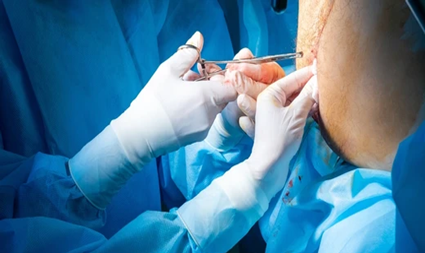
Surgery for rectal cancer is more difficult because of its pelvic location. Total Mesorectal Excision (TME) is one such procedure adopted to remove the tumor completely without increasing the recurrence rate. Robotic surgery may allow for greater precision and may help preserve function in some cases.
- Post-Surgical Care:
Depending on the extent of surgery, patients may need a permanent or temporary colostomy. With advanced sphincter-preserving methods, many patients may avoid a permanent stoma, but this is not possible in all cases.
- Key Takeaway:
Treatment of colon cancer is usually simpler and often depends on surgery with postoperative chemotherapy.
Treatment of rectal cancer usually incorporates a multi-modal approach: preoperative radiation and chemotherapy followed by extensive surgical procedures to remove the tumor completely while maintaining quality of life.
Dr. Sandeep Nayak uses technologies such as robotic surgery to treat colon and rectal cancers. Outcomes and side effects vary for each patient.
Prevention is better than cure! Adhere to these tips.
Can Rectal and Colon Cancer Be Prevented?
- Regular Screenings: Colonoscopies at age 45 or even younger if you have a family history.
- Eat High-Fiber Diet: Regular intake of fruits, vegetables, and whole grains.
- Limit Red and Processed Meats: High intake is associated with higher cancer risk.
- Stay Physically Active: Have at least 30 minutes of moderate physical activity each day.
- Avoid Tobacco and Limit Alcohol: Both have high cancer-risk-increasing effects.
- Maintain Body Weight: Obesity is also a proven risk factor for cancers of the colon and rectum.
When Should You See a Doctor?

Don’t wait if you notice these signs:
- Persistent changes in bowel habits (diarrhea or constipation that persists for more than a few weeks).
- Bleeding in the stool or rectal bleeding.
- Unintentional weight loss.
- Persistent abdominal pain or cramping.
- Involuntary feeling of bowel fullness.
- Weakness and fatigue without apparent cause.
In case any of these symptoms are persistent, seek a qualified professional for early evaluation and intervention.
Frequently Asked Questions
Is rectal cancer the same as anus cancer?
No, rectal cancer affects the rectum, while anal cancer originates in the anal canal.
Is rectal cancer curable?
Rectal cancer can be curable, especially when detected early. With appropriate treatment—often involving a combination of surgery, radiation, and chemotherapy—many patients achieve long-term remission.
How did I know I had colon cancer?
Most patients notice changes in bowel habits or find blood in the stool, prompting medical evaluation.
Is rectal cancer more serious than colon cancer?
Rectal cancer can be more complex to treat due to its location, but outcomes depend on stage at diagnosis and individual factors.
Can you have both colon and rectal cancer?
Yes, although infrequent, one could develop cancers in both regions at the same time.
Is surgery always required for rectal cancer?
No, early-stage cancers may be treated with chemoradiation but most often surgery is needed for more advanced cases.
What is the survival rate difference between colon and rectal cancer?
Survival rates are similar if detected early, but rectal cancer may have a slightly higher risk of local recurrence.
What tests help differentiate between rectal and colon cancer?
Colonoscopy, MRI, and CT scans are commonly used to determine the exact cancer location.
Reference links:
https://www.webmd.com/colorectal-cancer/colon-rectal-cancer-whats-difference
https://www.michiganmedicine.org/health-lab/how-colon-and-rectal-cancer-differ
Disclaimer: This page is for informational purposes only. Individual results may vary. Please consult a qualified doctor for personalized advice.

Dr. Sandeep Nayak