
Continence and potency recovery rates, not reputation, are what genuinely separate an experienced prostate cancer surgeon from an occasional one. These outcomes reflect the surgeon’s actual nerve sparing skill more directly than any credential. The right surgeon offers both robotic and open technique, has high prostatectomy specific volume, and stages the disease honestly enough to know when surgery, rather than radiation or active surveillance, is genuinely the right path.
According to Dr. Sandeep Nayak, Surgical Oncologist in India, “Patients ask how to identify the right surgeon, and the honest answer is to ask about specific outcomes, continence recovery at a defined point after surgery, and potency preservation rates where nerve sparing applies. Those numbers tell you far more than years of general experience. A surgeon confident enough to share that data, honestly, is usually the one worth trusting. Credentials matter, but the actual outcomes are what should decide it.”
Looking for experienced prostate cancer surgery in Bangalore?
What Makes a Good Prostate Cancer Surgeon?
A handful of specific measures separate genuine prostatectomy expertise from general surgical experience.
- Continence recovery rate : How quickly and reliably patients regain urinary control after surgery is one of the clearest reflections of surgical skill.
- Potency preservation : Where nerve sparing is oncologically appropriate, the rate of preserved erectile function speaks directly to surgical precision.
- Prostatectomy specific volume : General cancer surgery experience differs from focused, high volume experience with this specific operation and its nuances.
- Range of technique : Offering both robotic and open surgery ensures the approach fits the case, rather than the case being fitted to one available technique.
These standards define serious prostate cancer treatment, where the surgeon’s specific track record matters more than general oncology credentials alone.
How Do You Judge This in Practice?
A few direct questions reveal whether a surgeon genuinely specialises in prostate cancer surgery.
- Ask for continence data : A specific figure, such as continence rate at twelve months, says more than a general claim of good outcomes.
- Ask about potency outcomes : Where nerve sparing applies to your case, a confident, specific answer about function preservation reflects real experience.
- Ask about surgical range : Confirm the surgeon performs both robotic and open surgery, not only the technique that happens to be available.
- Ask how surgery was decided : A surgeon who explains why surgery, rather than radiation or surveillance, suits your specific case demonstrates honest staging.
This mirrors the wider principle in our guide on choosing a cancer surgeon, applied here to the specific demands of prostate cancer surgery.
Why Choose Dr. Sandeep Nayak for Prostate Cancer Surgery?
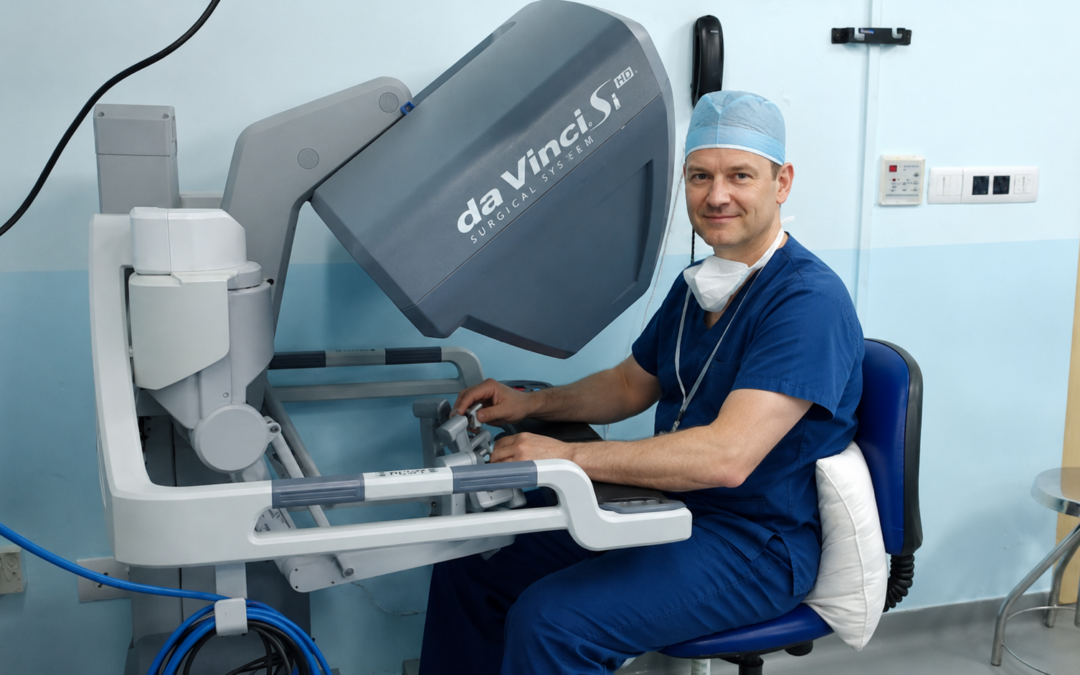
Dr. Sandeep Nayak is a surgical oncologist with 24 years of experience and a fellowship in laparoscopic and robotic onco-surgery. He performs radical prostatectomy across both robotic and open technique, with attention to nerve sparing and reconstruction that directly shapes continence and potency outcomes. Every case begins with honest staging to confirm surgery is genuinely the appropriate treatment rather than a default choice.
Prostate cancer surgery rewards a surgeon who treats functional outcomes as seriously as cancer control from the first consultation. Achieving that consistently, continence recovered reliably, potency preserved where appropriate, is what genuine specialisation in this operation looks like. For a patient in Bangalore weighing where to go, continence and potency figures, alongside honest staging, are the questions worth asking, not general reputation alone.
Frequently Asked Questions
What makes a good prostate cancer surgeon?
High prostatectomy volume and strong continence and potency recovery outcomes.
Why do continence and potency rates matter most?
They reflect the surgeon’s actual nerve sparing skill, not just credentials.
Should the surgeon offer both robotic and open surgery?
Yes. Some cases still need open surgery, so range matters.
Why does honest staging matter before surgery?
Because surgery is not always the right choice over radiation or surveillance.
References
- Surgeon volume and functional outcomes in radical prostatectomy — National Library of Medicine
- Continence and potency recovery after nerve sparing prostatectomy — National Library of Medicine
Disclaimer: This blog is for informational and educational purposes only and is not a substitute for professional medical advice or diagnosis.
