
Men do have breast tissue and breast cancer develops in it more often than most people realise. The global incidence sits below 1% of all breast cancer cases but the disease is real, hormonally driven in the vast majority of cases and entirely treatable when caught at an early stage. The consistent clinical problem is late diagnosis: men dismiss chest lumps, clinicians consider other conditions first and by the time breast cancer is confirmed, the disease has had more time to progress than it should have.
According to Prof. Dr. Sandeep Nayak, Surgical Oncologist in India,
“Male breast cancer gets missed because nobody expects it. Men ignore lumps, clinicians consider other diagnoses first and by the time anyone thinks of cancer, the disease has had more time to grow than it needed.”
A man in your family has a chest lump that hasn’t been properly assessed?
What Puts Men at Higher Risk of Breast Cancer?
The risk profile in men overlaps significantly with female breast cancer but has specific characteristics that don’t always get discussed or screened for.
- Elevated Oestrogen Levels: Conditions that raise oestrogen in men including liver disease, obesity, Klinefelter syndrome and certain medications push up breast cancer risk because male breast tissue is oestrogen-sensitive in exactly the same way female tissue is.
- BRCA2 Mutation: A confirmed BRCA2 mutation significantly raises lifetime breast cancer risk in men and breast cancer treatment planning in mutation carriers should include regular breast surveillance from an early age rather than waiting for a lump to appear.
- Age and Family History: Most male breast cancer cases are diagnosed after age 60 and a strong family history of breast or ovarian cancer on either side raises the index of suspicion, particularly when genetic mutations have already been identified in other family members.
- Prior Chest Radiation: Men who received radiation to the chest for lymphoma or other cancers earlier in life carry meaningfully higher breast cancer risk as a late treatment effect something survivorship clinics should be actively monitoring for rather than leaving to chance.
Late diagnosis is the consistent pattern in male breast cancer and it isn’t because the disease behaves worse biologically but because no one looks for it early enough.
How Is Male Breast Cancer Diagnosed and Treated?
The diagnostic and treatment pathway mirrors female breast cancer closely but there are practical differences in how cases present and what surgery is appropriate.
- Recognising the Signs: A firm painless lump beneath or near the nipple in a man over 50 that persists over a few weeks warrants clinical assessment without delay nipple discharge and skin changes are less common presentations but equally clinically significant when they appear.
- Imaging and Biopsy: Ultrasound works better than mammography in men given lower tissue density and a core needle biopsy confirms whether cancer is present with receptor testing identifying which systemic treatments will work for that specific tumour’s biology.
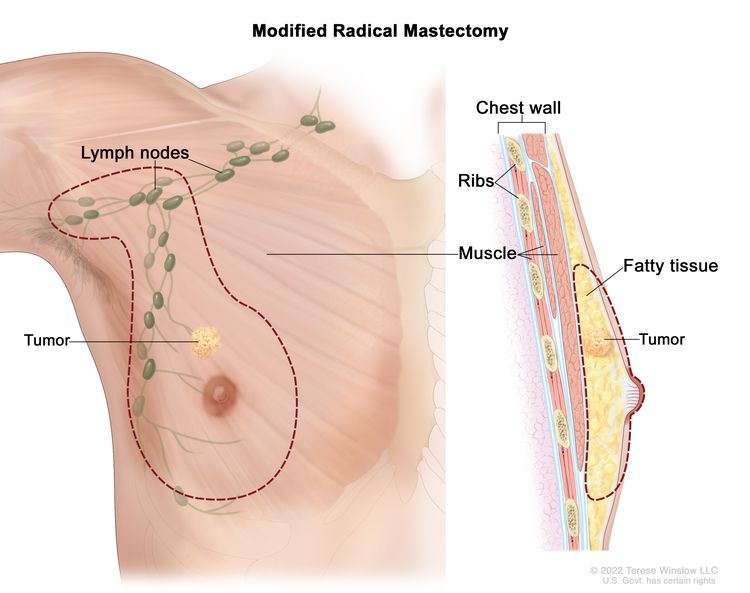
- Surgery: Modified radical mastectomy is the standard operative approach because the small volume of male breast tissue makes achieving reliable lumpectomy margins technically difficult in most cases and robotic cancer surgery or conventional open mastectomy is selected based on axillary node status and individual patient circumstances.
- Systemic Treatment: The majority of male breast cancers are hormone receptor positive making tamoxifen the backbone of adjuvant therapy with chemotherapy and targeted therapy added based on stage, nodal burden and HER2 status using the same decision framework applied in female breast cancer.
Male breast cancer responds well to treatment when identified at an early stage and for more on how cancer surgery decisions are made in complex presentations, our blog on cytoreductive surgery covers surgical planning in detail.
Why Choose Dr. Sandeep Nayak for Breast Cancer Treatment ?
Dr. Sandeep Nayak brings 24 years of surgical oncology experience, DNB qualifications in Surgical Oncology and General Surgery and a fellowship in Laparoscopic and Robotic Onco-Surgery to breast cancer cases across all presentations including male breast cancer at KIMS Hospital, Bangalore. He heads Oncology Services across Karnataka with originator credits for RABIT and over 25 published clinical studies. Patients with unusual breast presentations or cases not properly evaluated elsewhere are seen here with every decision going through tumour board review. Call +91 8104310753 to book your consultation.
Frequently Asked Questions
How common is breast cancer in men in India?
Male breast cancer accounts for under 1% of all breast cancer cases making it rare but clinically significant when it occurs.
What is the most common sign of breast cancer in men?
A firm painless lump beneath or near the nipple is the most frequent presenting feature in male breast cancer cases.
Is male breast cancer treated the same way as female breast cancer?
The treatment principles are similar though mastectomy is standard for men and tamoxifen is the primary hormonal therapy used.
Do BRCA mutations increase breast cancer risk in men?
BRCA2 mutations significantly raise lifetime breast cancer risk in men and warrant active surveillance from an early age onward.
References
-
- National Cancer Institute — Male Breast Cancer Treatment
- World Health Organization — Breast Cancer
- Disclaimer: The information shared in this content is for educational purposes and not for promotional use.
