
support@macsclinic.com
+91 9482202240
What Is Laparoscopic Surgery Explained Simply?

What Is Laparoscopic Surgery Explained Simply?

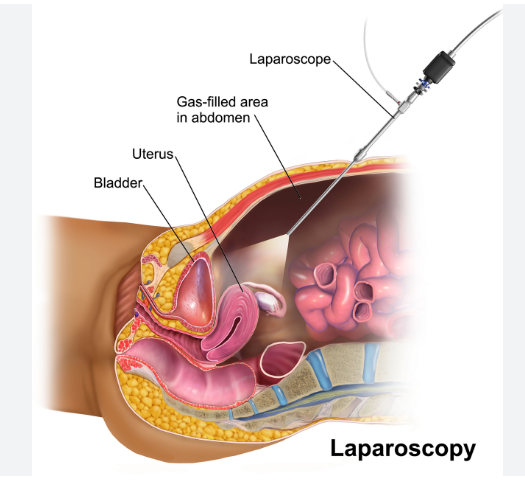
Laparoscopic surgery is keyhole surgery and the name tells you most of what you need to know because instead of cutting a large opening to get inside your body the surgeon makes a few cuts roughly the size of a fingernail, feeds a tiny camera through one of them so the inside of your body shows up on a screen in front of them, works through the other cuts with thin long instruments and the whole thing gets done without your body ever being properly opened which is why people who have it done are home in days, not weeks, and back to their actual lives long before anyone who had the same operation the open way would be anywhere close.

According to Prof. Dr. Sandeep Nayak, Surgical Oncologist in India, “Laparoscopic surgery changed what recovery looks like for cancer patients because the body is dealing with tiny holes rather than a wound that takes months to close properly.”

How Does Laparoscopic Surgery Actually Work?

These are the key steps that happen during a laparoscopic procedure:

  • Carbon dioxide goes in before anything else: The abdomen gets inflated with gas first because without that space there’s no room for the camera or instruments to move, the organs are just sitting pressed up against each other and operating blind in there isn’t something anyone wants.
  • A camera the width of a pen goes in through the first cut: It’s called a laparoscope and it sends a live magnified picture to the monitor in front of the surgeon, honestly in some ways the view is better than what you’d get peering into an open cavity.
  • The actual work happens through the other cuts: Two or three more small incisions take the working instruments, the ones that cut, staple, remove, cauterise, everything the surgeon needs to do gets done through those ports while they watch the screen.
  • What gets removed comes out through one of the ports: It goes into a small sealed bag to make sure nothing spreads, gets pulled out through one of the incision sites and then the cuts get closed and what you’re left with is genuinely not much for the body to deal with.

The reason laparoscopic surgery changed cancer treatment isn’t complicated, smaller wounds mean faster recovery and for someone already going through a cancer diagnosis that difference is not small. Laparoscopic cancer surgery at a specialist oncology centre now covers colorectal, gastric, kidney, liver and other cancers with outcomes that match open surgery.

What Makes Laparoscopic Surgery Different From Open Surgery?

These are the differences that actually matter when you’re the one going through cancer treatment:

  • The wound is basically the whole story: Open surgery leaves a long incision the body spends weeks healing, laparoscopic surgery leaves cuts most patients look at afterward and genuinely cannot believe are all that’s there.
  • You hurt less and that’s not an exaggeration: Less tissue pulled apart means a quieter pain response, fewer medications to manage it and getting up and moving again earlier which is actually what drives everything else in recovery forward.
  • Two to four days in hospital instead of a week or more: There’s no large wound requiring hospital-level monitoring, no clinical reason to keep someone lying in a bed once they’re stable and most laparoscopic patients are surprised by how quickly the discharge conversation happens.
  • Weeks back to normal instead of months: Work, food, exercise, just moving around your own house without it being an event, laparoscopic patients get there weeks before open surgery patients are even told to think about it.

Open surgery is still right for certain tumours in certain locations and any surgeon worth trusting will tell you that straight rather than pushing minimally invasive because it sounds better. This is worth reading if you want to understand what minimally invasive surgery actually changed for cancer patients in India.

Why Choose Dr. Sandeep Nayak for Cancer Treatment?

Dr. Sandeep Nayak got into laparoscopic and robotic cancer surgery over 15 years ago when most oncology centres in India hadn’t made up their minds about it yet and what came out of that is RABIT, MIND and RIA-MIND, techniques he built himself from what that experience actually taught him. He chairs Oncology Services across Karnataka and sees patients at MACS Clinic in Bangalore. Dr. Nayak will tell you honestly whether laparoscopic surgery suits your case or whether something else fits better and that’s the kind of conversation patients at a serious surgical oncology centre deserve to have.

Frequently Asked Questions

What is laparoscopic surgery explained simply?

Tiny cuts, a camera showing everything on a screen, thin instruments doing the work and no large open wound to recover from afterward.

Is laparoscopic surgery safe for cancer treatment?

Yes, for the right cancers and stages it delivers cancer control equivalent to open surgery with a recovery that’s genuinely in a different category.

How long does recovery take after laparoscopic surgery?

Home in two to four days for most patients, back to normal within two to four weeks, nowhere near what open surgery asks of you.

What cancers can be treated with laparoscopic surgery?

 Colorectal, gastric, kidney, liver and several other cancers are routinely done laparoscopically at specialist oncology centres across India.

Reference links:

    1. National Cancer Institute. Surgery to Treat Cancer. https://www.cancer.gov/about-cancer/treatment/types/surgery
    2. American Cancer Society. Surgery for Cancer. https://www.cancer.org/cancer/managing-cancer/treatment-types/surgery.html
    • Disclaimer: The information shared in this content is for educational purposes and not for promotional use.
    What Is VATS Surgery for Lung Cancer?

    What Is VATS Surgery for Lung Cancer?

    VATS surgery for lung cancer is video-assisted thoracoscopic surgery and if you’ve ever wondered why some lung cancer patients are walking around looking relatively fine a week after their operation while others are still in hospital recovering from a chest that got cracked open, this is usually the answer, because VATS uses a camera and thin instruments through a few small cuts between the ribs instead of splitting the sternum or spreading the ribs apart and that difference in what the body goes through is the entire reason recovery looks so different on the other side.

    According to Prof. Dr. Sandeep Nayak, Surgical Oncologist in India, “VATS gives lung cancer patients a way through surgery that doesn’t leave them spending months recovering from a chest that was split open to get there.”

    How Does VATS Surgery Actually Work for Lung Cancer?

    These are the key things that happen during VATS lung cancer surgery:

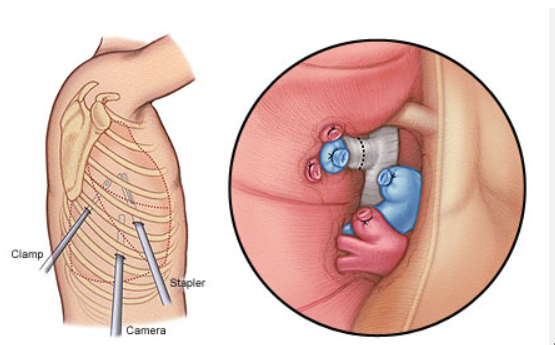
    • Ribs stay where they are: Two to four small cuts between the ribs is all it takes and the chest wall doesn’t get opened, which is the part of open thoracotomy that causes the kind of pain that takes months to properly go away.
    • A camera does the seeing so the surgeon doesn’t have to peer into an open chest: Tiny HD camera through one incision, full magnified view of the tumour on a monitor, the surgeon is working with better visibility in some ways than open surgery actually allows.
    • Long instruments do everything the hands used to do inside: Specialised instruments through the other incisions cut, staple and remove whatever part of the lung needs to come out without anyone’s hands going into the chest cavity at all.
    • What comes out fits through the port with a bag: The removed tissue gets extracted through one incision site, contained to prevent any spread, and the small openings close without leaving the kind of wound that open thoracotomy patients spend weeks managing.

    VATS covers lobectomy, segmentectomy and wedge resection depending on tumour location and how much lung needs to come out, and at a specialist centre it’s now the first conversation not the last resort. Lung cancer treatment at a surgical oncology centre that does VATS regularly is a genuinely different experience from what thoracotomy patients go through.

    Who Is VATS Surgery Suitable for and Who Isn't?

    These are the factors that determine whether VATS works for your specific lung cancer:

    • Early stage is where VATS is at its best: Stage one and two non-small cell lung cancer is the territory where VATS consistently delivers and where any surgeon who knows what they’re doing would look at it before open thoracotomy enters the conversation.
    • Where the tumour sits changes everything: Reachable, clearly defined, not grown into surrounding structures, that’s a VATS candidate, a tumour that’s spread locally or positioned somewhere the instruments can’t get a clean angle on is a different situation entirely.
    • Your remaining lung has to be able to do the work: If smoking history or other conditions have already knocked your lung function down significantly then losing part of the lung to surgery puts real demands on what’s left and that assessment has to happen before anyone books an operating room.
    • Previous chest surgery is a genuine complication: Scar tissue from prior procedures can make the camera view poor and the instruments hard to move cleanly, sometimes mid-procedure you convert to open and there’s no way around that reality going in.

    Whether VATS fits your case is a question only staging scans and a surgeon who’s done enough of them to know the limits of the technique can honestly answer. This is worth reading to understand what minimally invasive surgery actually changed for patients going through lung cancer treatment.

    Why Choose Dr. Sandeep Nayak for Cancer Treatment?

    Dr. Sandeep Nayak has been doing minimally invasive cancer surgery for over 15 years and built RABIT, MIND and RIA-MIND at a point when most Indian oncology centres hadn’t committed to going that direction. Lung cancer surgery at the level VATS demands needs a surgeon who knows when it works, knows when to change course and doesn’t hesitate when the situation in theatre calls for it. Dr. Nayak chairs Oncology Services across Karnataka and sees patients at MACS Clinic in Bangalore where your lung cancer gets looked at properly rather than fitted into whatever plan worked for the last patient who came through.

    Frequently Asked Questions

    What is VATS surgery for lung cancer?

    VATS is video-assisted thoracoscopic surgery where a camera and instruments through small cuts between the ribs replace the open chest incision of traditional lung surgery.

    Is VATS better than open surgery for lung cancer?

    For eligible patients yes, less pain, home in days not weeks and cancer control that holds up against open thoracotomy for early stage disease.

    How long does recovery take after VATS lung surgery?

    Home in three to five days for most patients, back to normal activity in four to six weeks, nowhere near the months open chest surgery takes.

    Who is not suitable for VATS lung cancer surgery?

    Advanced local disease, significantly compromised lung function or heavy scarring from prior chest surgery can all rule VATS out in favour of open thoracotomy.

    Reference links:

      1. National Cancer Institute. Lung Cancer Treatment. https://www.cancer.gov/types/lung/patient/non-small-cell-lung-treatment-pdq
      2. American Cancer Society. Surgery for Non-Small Cell Lung Cancer. https://www.cancer.org/cancer/types/lung-cancer/treating-non-small-cell/surgery.html
      • Disclaimer: The information shared in this content is for educational purposes and not for promotional use.
      Rectal Cancer vs Colon Cancer

      Rectal Cancer vs Colon Cancer

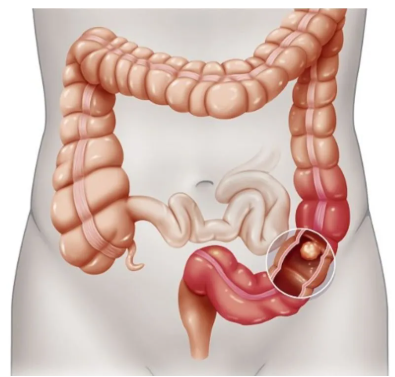
      People hear rectal cancer and colon cancer and assume they’re basically the same thing with a different postcode but that’s genuinely not how it works because the rectum is buried deep in the pelvis with the bladder and major nerves and reproductive structures packed in right around it in a way the colon never has to deal with, so the surgery is harder, radiation before the operation is almost always part of the plan and getting it wrong has consequences that colon cancer surgery simply doesn’t carry to anywhere near the same degree.

      According to Prof. Dr. Sandeep Nayak, Surgical Oncologist in India, “Rectal cancer is not just colon cancer that happens to be lower down. The anatomy changes everything about how we treat it.”

      What Makes Rectal Cancer Clinically Different From Colon Cancer?

      These are the key clinical differences between rectal and colon cancer:

      • Operating in the pelvis is a different job entirely: The rectum is surrounded by structures you absolutely cannot damage, the bladder, nerves controlling continence and sexual function, things that aren’t anywhere near as close when you’re working in the colon.
      • Radiation before surgery is just part of the deal for rectal cancer: A lot of rectal cancers get chemoradiation to shrink the tumour before anyone picks up a scalpel, colon cancer doesn’t need that because the surgical environment is nowhere near as constrained.
      • You notice rectal cancer symptoms sooner and they’re harder to ignore: Bleeding, urgency, that frustrating feeling of never quite finishing, the rectum is so close to the exit that tumours there announce themselves faster than colon tumours that can sit quietly and grow for a long time.
      • Clean margins are genuinely harder to get: The pelvic space is tight, the structures you’re trying to protect are right there and taking the tumour out completely without compromising function is a level of difficulty colon surgery doesn’t come close to matching.

      Patients coming in expecting a straightforward colorectal surgery conversation often leave the consultation realising rectal cancer is a different animal and their treatment plan reflects that completely. Rectal cancer treatment at a specialist surgical oncology centre matters for rectal cancer more than almost any other colorectal diagnosis.

      How Does Treatment Differ Between Rectal and Colon Cancer?

      These are the main treatment differences patients need to get their head around:

      • Colon cancer usually just goes to surgery: Outside the pelvis, the colon is a more workable environment, surgery comes first and chemotherapy gets added afterward based on what pathology actually shows rather than as preparation for the operation.
      • Rectal cancer earns its pre-surgery treatment the hard way: Chemoradiation before surgery is standard for locally advanced rectal cancer because going in with a smaller tumour genuinely changes what’s achievable on the table in terms of margins and sphincter preservation.
      • The colostomy conversation is a rectal cancer conversation: How close your tumour is to the sphincter determines whether a bag is temporary, permanent or off the table entirely and that’s a discussion colon cancer patients rarely have to sit through.
      • Coming back in the pelvis is what rectal cancer does: Local recurrence in the pelvis is a bigger risk with rectal cancer than it is with colon cancer which is one of the reasons getting the first surgery right is so much more consequential.

      Whether radiation before surgery, what type of resection and whether keeping the sphincter is possible are questions only imaging and a specialist with your actual scans can answer properly. This is worth reading if you want to understand what drives rectal cancer recurrence risk and what affects it after treatment.

      Why Choose Dr. Sandeep Nayak for Cancer Treatment?

      Dr. Sandeep Nayak has spent over 24 years in surgical oncology and got into robotic and laparoscopic rectal surgery when most centres in India were still figuring out whether it was worth pursuing. Working in the narrow pelvis is where his MIND and RIA-MIND techniques do something that actually shows up in what patients end up with after surgery. Dr. Nayak chairs Oncology Services across Karnataka and sees patients at MACS Clinic in Bangalore where rectal cancer gets the kind of surgical attention the anatomy demands rather than being managed like any other bowel operation.

      Frequently Asked Questions

      How is rectal cancer different from colon cancer?

      Rectal cancer sits deeper in the pelvis, almost always needs radiation before surgery, involves harder surgery and carries higher local recurrence risk.

      Is rectal cancer harder to treat than colon cancer?

       Yes, the pelvic anatomy makes it significantly more demanding surgically and the treatment plan reflects that complexity from the start.

      Can rectal cancer be treated without a colostomy bag?

      Often yes but it comes down entirely to where the tumour sits and whether shrinking it first makes sphincter-preserving surgery safely possible.

      Does rectal cancer require radiation before surgery?

      Most locally advanced rectal cancers do get chemoradiation first because going in with a smaller tumour changes what’s achievable surgically.

      Reference links:

        1. National Cancer Institute. Colorectal Cancer Treatment. https://www.cancer.gov/types/colorectal/patient/colon-treatment-pdq
        2. American Cancer Society. Rectal Cancer. https://www.cancer.org/cancer/types/colon-rectal-cancer.html
        • Disclaimer: The information shared in this content is for educational purposes and not for promotional use.
        Recovery Time After Robotic Cancer Surger

        Recovery Time After Robotic Cancer Surger

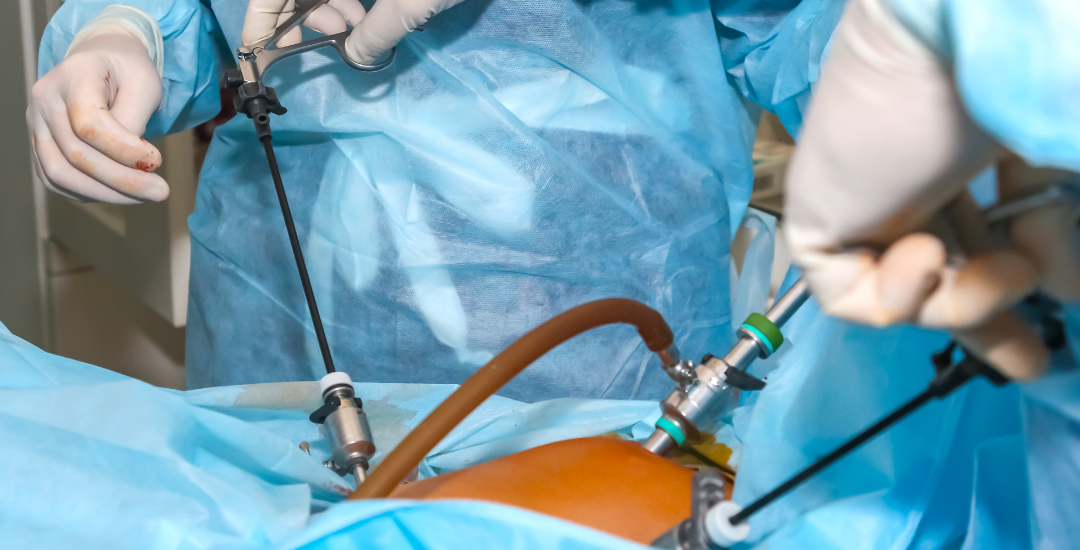
        Recovery after robotic cancer surgery is honestly much faster than most people expect when they first hear the word surgery because your body only has a handful of tiny port sites to heal rather than one long open wound which means you’re sitting up and sipping fluids the same evening, out of bed walking the next morning, signing discharge papers within two to five days and genuinely surprised by how normal you feel two weeks later when open surgery patients are still mostly horizontal.

        According to Prof. Dr. Sandeep Nayak, Surgical Oncologist in India, “Robotic surgery patients consistently recover faster because the body simply hasn’t taken the same hit that open surgery puts it through.”

        What Does Recovery Look Like After Robotic Cancer Surgery?

        These are the recovery stages most robotic cancer surgery patients go through:

        • Evening of surgery you’re already moving: Fluids in, sitting up, a nurse walking you to the bathroom, it sounds like nothing but open surgery patients at that exact same point are in a completely different situation and they’ll tell you that.
        • Two to five days and you’re home: Most robotic cancer patients are out of hospital before the week is done and when they leave they’re not in the state open surgery patients are in when they finally get discharged.
        • Week two you’re actually functional: Short walks, making your own food, getting through the day without needing to lie down every few hours, people genuinely cannot believe how they feel at this point.
        • Four to six weeks you’re back properly: Work, the gym, normal physical life, things that take open surgery patients eight to twelve weeks to get back to are done and dusted for most robotic patients well before that.

        Your timeline shifts based on what exactly was removed and how your specific body responds to it. Robotic cancer surgery at specialist centres in India covers thyroid, colorectal, prostate, kidney and other cancers with recovery that consistently beats what open surgery delivers.

        What Factors Affect How Fast You Recover?

        These are the main things that shape how your recovery actually goes:

        • What they actually did in there: Robotic thyroid removal and robotic rectal resection are not remotely the same recovery, where the tumour was and what had to be moved to get to it matters enormously and nobody tells you that clearly enough beforehand.
        • What shape you were in going in: Patients who walked into surgery reasonably fit and active come out the other side faster, not by a massive margin but by enough that your surgical team will bring it up before the operation.
        • Whether anything unexpected happened: Most robotic surgeries go exactly as planned but if yours converted to open, developed a complication or needed extra work your timeline is going to look different and you just have to accept that.
        • Whether you actually do what you’re told: Walking early, eating properly, showing up to follow-ups, patients who do these things come through faster and it’s not even close when you compare the two groups.

        Your recovery speed is really a mix of your tumour, your surgeon and what your body decides to do with the time it gets. This is worth reading before your robotic cancer surgery so you go in knowing what the other side of it actually looks like.

        Why Choose Dr. Sandeep Nayak for Cancer Treatment?

        Dr. Sandeep Nayak was doing robotic and laparoscopic cancer surgery fifteen years ago when most oncology centres in India hadn’t even decided if they were interested in it yet. He didn’t learn RABIT, MIND and RIA-MIND from someone else. He built them. Chairs Oncology Services across Karnataka, runs MACS Clinic in Bangalore, and when you sit in front of Dr. Nayak you get a plan that was built for your case specifically, not adjusted from a template someone used for the last ten patients who came through the door.

        Frequently Asked Questions

        What is recovery time after robotic cancer surgery?

         Home in two to five days, fully recovered in four to six weeks depending on the procedure and how you heal.

        Is recovery faster after robotic surgery than open surgery?

        Yes, less pain, shorter stay and back to normal life weeks before open surgery patients get anywhere near that point.

        Can you walk after robotic cancer surgery?

        Most patients are walking the day after surgery, which is genuinely one of the things that surprises people most coming out of robotic

        What affects how fast you recover after robotic cancer surgery?

        What was removed, your pre-surgery fitness, whether complications came up and how well you follow post-op instructions all factor into it.

        Reference links:

          1. National Cancer Institute. Surgery to Treat Cancer. https://www.cancer.gov/about-cancer/treatment/types/surgery
          2. American Cancer Society. Surgery for Cancer. https://www.cancer.org/cancer/managing-cancer/treatment-types/surgery.html
          • Disclaimer: The information shared in this content is for educational purposes and not for promotional use.
          Benefits of Laparoscopic Cancer Surgery

          Benefits of Laparoscopic Cancer Surgery

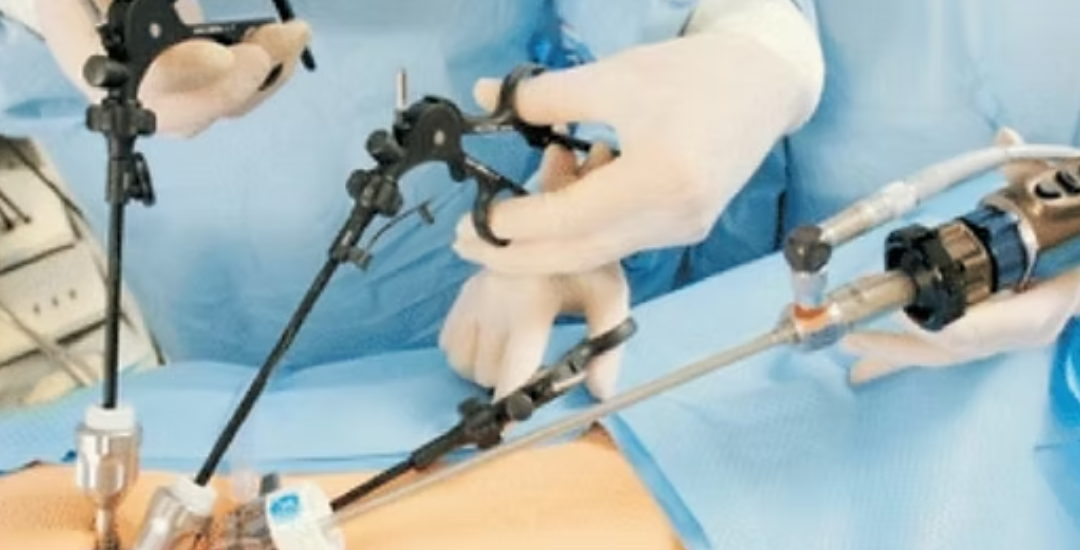
          Laparoscopic cancer surgery is genuinely better for patients than open surgery in most cases because a camera and thin instruments go in through tiny cuts rather than cracking the body open which means you bleed less on the table, you’re up walking the next morning, you’re out of hospital in a few days and you’re back to your actual life weeks before anyone who had the same thing done the open way would be anywhere close to that point.

          According to Prof. Dr. Sandeep Nayak, Surgical Oncologist in India,
          “Laparoscopic surgery gives patients a real path through cancer treatment that doesn’t leave them spending weeks recovering from the surgery itself.”

          What Are the Main Benefits of Laparoscopic Cancer Surgery?

          These are the benefits laparoscopic surgery delivers over open surgery for cancer patients:

          • Bleeds way less: The cuts are tiny so the body doesn’t give up much blood at all during the procedure, transfusions barely come into it and patients aren’t already depleted before recovery has even started.
          • Walking next morning: Not after a week. Not after three days of being completely flat. Most people are out of bed the morning after laparoscopic surgery and that alone changes how the whole recovery goes.
          • Home in two to four days: There’s no giant wound the body is pouring energy into, no reason to be lying in a hospital bed and most patients are genuinely surprised by how quickly they’re told they can leave.
          • Infections don’t really happen: Tiny wound, closes fast, bacteria get almost no window to do anything and post-operative infections show up at nowhere near the rate they do after open surgery.

          Anyone who’s sat with patients in both recovery situations knows the difference isn’t something you need a chart to explain. Laparoscopic cancer surgery now covers colorectal, gastric, liver, kidney and other cancers at specialist centres across India with cancer control that holds up solidly against open surgery.

          Which Cancers Are Commonly Treated With Laparoscopic Surgery?

          These are the cancer types where laparoscopic surgery is validated and used widely:

          • Colorectal cancer: This is just what gets done at good centres now, it’s not the special option anymore, cancer control is equivalent to open and patients come through recovery in better shape consistently.
          • Gastric cancer: Laparoscopic gastrectomy for early to locally advanced stomach cancer and people eating again, functioning again, living again weeks before the open version of that surgery would have let them near any of that.
          • Liver and gallbladder: Blood loss goes down, time in hospital goes down and a surgeon who actually knows laparoscopic hepatic work gets outcomes the open approach hasn’t managed to reliably match.
          • Kidney cancer: Patients come out with less pain, get kidney function back faster and look at their recovery timeline compared to open kidney surgery patients and genuinely can’t believe the difference.

          Whether it fits depends on tumour location, size and treatment history. This is worth reading if you want to understand what minimally invasive surgery actually changed for cancer treatment in India.

          Why Choose Dr. Sandeep Nayak for Cancer Treatment?

          Dr. Sandeep Nayak has been doing surgical oncology for over 24 years and got into robotic and laparoscopic cancer surgery more than 15 years ago when the honest answer is most centres in India weren’t interested yet. He didn’t borrow RABIT, MIND and RIA-MIND from anyone. He built them. Dr. Nayak chairs Oncology Services across Karnataka and sees patients at MACS Clinic in Bangalore where the plan starts with whatever is actually sitting in front of him that day and gets worked out properly from there rather than off a template.

          Frequently Asked Questions

          What are the benefits of laparoscopic cancer surgery?

          Less blood loss, faster recovery, home in days not weeks and a much lower infection risk than open surgery.

          Is laparoscopic surgery as effective as open surgery for cancer removal?

          For the right tumour types and stages cancer control matches open surgery and patients recover noticeably faster.

          How long does recovery take after laparoscopic cancer surgery?

          Most go home in two to four days and are back to normal within two to three weeks.

          Which cancers can be treated laparoscopically in India?

          Colorectal, gastric, liver, gallbladder and kidney cancers are among the most common at specialist oncology centres across India.

          Reference links:

          • Disclaimer: The information shared in this content is for educational purposes and not for promotional use.
           What Is Scarless Cancer Surgery?

           What Is Scarless Cancer Surgery?

          Scarless cancer surgery gets the tumour out through the mouth, the armpit or the navel so the skin never has to be cut and nothing shows up on the surface afterward. Thin robotic tools and cameras do the work from inside the body while the outside stays completely untouched. It won’t suit every cancer and it won’t suit every patient. But when the fit is right, it delivers the same result as open surgery and leaves absolutely nothing behind on the skin.

          According to Prof. Dr. Sandeep Nayak, Surgical Oncologist in India,
          “Scarless surgery isn’t about cosmetics. It’s about giving patients a way through cancer that doesn’t write itself on their body permanently.”

          How Does Scarless Cancer Surgery Actually Work?

          These are the approaches surgeons use to remove cancer without visible incisions:

          • TOETVA approach: Three small cuts go inside the lower lip, the thyroid comes out through them entirely, the neck never gets touched and the patient heals with nothing visible on the outside.
          • TORS technique: A robotic arm enters through the open mouth and clears throat and tongue base tumours from the inside, no incision on the neck, no external scar of any kind.
          • Robotic axillary access: A cut hidden inside the armpit lets instruments reach the thyroid or surrounding lymph nodes while the neck and chest stay completely free of any mark.
          • Endoscopic breast access: Early breast tumours get taken out through cuts placed inside the areola or armpit, tucked into natural folds in the skin where they won’t show once the patient has healed.

          Thyroid patients tend to feel this one the hardest. A conventional neck scar after thyroid surgery sits right there on the front of the throat, visible every single day. Some people genuinely don’t mind. Others have never quite made peace with it. Robotic cancer surgery changed that by turning what used to be a rarely attempted technique into something that’s now done routinely at specialist centres across India.

          Who Actually Qualifies for Scarless Cancer Surgery?

          These are the factors that determine whether a patient is a candidate:

          • Tumour size gets checked first: Thyroid tumours need to come in under 4cm with no real spread beyond the gland itself and no bulky lymph node involvement visible on the pre-op scans before TOETVA or axillary robotic surgery becomes a viable option.
          • Prior neck radiation takes it off the table: Tissue that’s already been irradiated loses the softness and pliability these techniques depend on to work safely, so any past radiotherapy to that zone usually rules the minimally invasive route out completely.
          • The throat cancer stage has to match: TORS was built for T1 and T2 oropharyngeal cancers and replaces what used to be jaw-splitting open surgery with a transoral approach that leaves swallowing and voice intact far better than the old method.
          • Longer time under anaesthesia has to be safe: These procedures take more time in the operating room than open surgery typically does, so the patient’s heart and lungs need to handle the extended time without running into trouble.

          Whether someone qualifies really comes down to their tumour, what treatment they’ve already had and how their body holds up under a longer procedure. This is worth reading on how robotic surgery opened scarless options up across surgical oncology in India.

          Why Choose Dr. Sandeep Nayak for Cancer Treatment?

          Dr. Sandeep Nayak has spent more than 24 years treating liver cancers, lymphomas and complex malignancies where abnormal iron and ferritin readings were part of the diagnostic trail that led to the right answer at the right time. As one of India’s most experienced surgical oncologists he knows that a blood result is never just a number on a page. It’s a question sitting there waiting for someone to take it seriously enough to answer it properly. Every patient who comes to him with unexplained elevated markers gets a thorough clinical evaluation rather than another repeat test date and another deferral of the investigation that should have happened months ago.

          Frequently Asked Questions

          What is scarless cancer surgery?

          Scarless cancer surgery removes tumours through natural body openings like the mouth or armpit using approaches like TOETVA and TORS, leaving no visible scar on the skin surface.

          Which cancers can be treated with scarless surgical approaches in India?

          Thyroid cancer, selected oropharyngeal cancers, early tongue base tumours and some parathyroid conditions are the most common indications for scarless surgery at specialist robotic oncology centres in India.

          How long does recovery take after scarless cancer surgery compared to open surgery?

          Most patients are back to normal within one to two weeks compared to four to six weeks for open procedures depending on tumour complexity and individual healing.

          When should persistently high ferritin prompt a specialist visit rather than just monitoring?

          Robotic and endoscopic approaches cost more upfront but shorter stays and faster recovery cut into that difference considerably for most patients.

          Reference links:

          • Disclaimer: The information shared in this content is for educational purposes and not for promotional use.

          Call Now Button