What every man needs to know about Prostate Cancer

What every man needs to know about Prostate Cancer

The prostate is a gland in the male reproductive system. It’s found below the urinary bladder and in front of the rectum in the lower part of the abdomen. The prostate produces some of the fluid that makes up semen when a man ejaculates. Prostate cancer is one of the common cancers and it usually can be detected before there are symptoms. In this article, we’ll tell you what you need to know about prostate cancer so that you can take steps to protect your health!

How to lower your risk for prostate cancer

“Every man needs to know about prostate cancer because it is one of the most common cancer among men.” Prostate cancer can be prevented in many cases, but unfortunately gets overlooked by many. It’s important to understand the warning signs so you can avoid living in ignorance. Symptoms include difficulty peeing, trouble starting to pee, leaking when you pee, pain during peeing, and blood in your urine. The American Cancer Society estimates that 1 guy out of 7 will be diagnosed with prostate cancer at some point during their lifetime. That means you are statistically 3x more likely to get prostate cancer than any other type of cancer. This is due in part to the correlation between high-fat diets and prostate cancer risk, so healthy dietary habits can go a long way in lowering your chances.

Early warning signs of prostate cancer

Prostate cancer is the second most common form of cancer in men. It has three stages: localized, regional, and metastatic. The localized stage only occurs when the cancer is limited to the prostate gland. The regional stage occurs when metastasis have occurred to lymph nodes nearby the prostate. The metastatic stage is when the cancer cells have spread to distant organs.

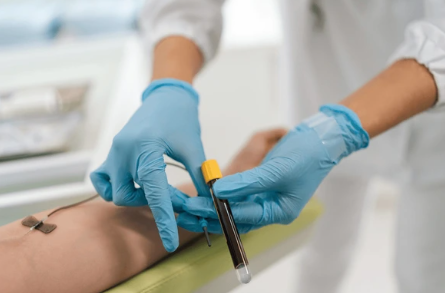
The best way to detect prostate cancer is by doing regular test for PSA. Prostate specific antigen (PSA) is a blood test to detect it at early stages. 

Prostate cancer can be managed by surgical removal, radiation therapy, hormone therapy, chemotherapy, photodynamic therapy or robotic surgery. These are done to remove or destroy prostate cancer cells that have spread beyond the prostate gland to other parts of the body. However, curative treatment for prostate cancer is radical surgery or radiotherapy. 

How men can prevent or treat prostate cancer

Prostate cancer prevention may be of interest to you if you’re concerned about your risk of prostate cancer.

Prostate cancer can’t be completely avoided. The results of studies frequently contradict each other, and most aren’t meant to establish definitively whether something protects prostate cancer. As a result, there are no clear ways to avoid prostate cancer.

Dr. Sandeep Nayak is one of the leading oncologist in Bangalore. With years of expertise in oncology he is coined as one of the renowned cancer specialists in Bangalore. You can consult a well known oncologist in Bangalore, Dr. Sandeep Nayak if you are planning to have a check up regarding prostate cancer. He can guide you to prevent or treat prostate cancer at very early stage.

Although research results are inconsistent and this hasn’t been proven concretely, there is some indication that eating a balanced diet low in fat and high in fruits and vegetables will help reduce the incidence of prostate cancer.

If you want to lower your prostate cancer risk, do these things:

  • Fats can be found in meats, nuts, oils, and dairy products like milk and cheese.

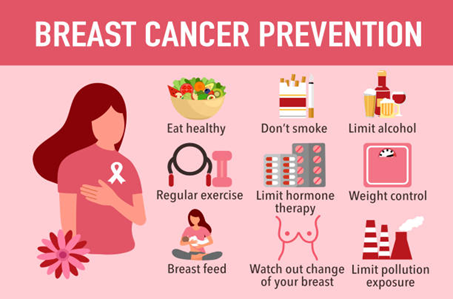
According to certain research, males who consumed the most fat per day had a higher risk of prostate cancer. This does not imply that being overweight promotes prostate cancer. This link hasn’t been discovered in other investigations. However, limiting the quantity of fat you eat on a daily basis has other known benefits, such as weight control and heart health.

Limit fatty foods or choose low-fat varieties to lower the amount of fat you consume each day. Reduce the amount of fat added to dishes when cooking, use thinner cuts of meat, and select low-fat or reduced-fat dairy products, for example.

  • Vitamins and nutrients found in fruits and vegetables are expected to lower the chance of prostate cancer, yet research hasn’t proven that any one component is certain to do so.

When you eat more fruits and vegetables, you have less room for other meals, such high-fat foods.

Consider adding an extra serving of fruit or vegetable to each meal to increase the quantity of fruits and vegetables you consume each day. Consider snacking on fruits and veggies.

Lifelong effect of prostate cancer

Prostate cancer is the most common cancer among men, but it doesn’t always mean death. The U.S. Centers for Disease Control and Prevention reports that 1 in 6 men will get prostate cancer during his lifetime, but only 1 in 36 die from it. The good news is that prostate cancer survival rates are high, with 90% of all men still alive five years after diagnosis. The most common symptoms of prostate cancer are:

  • Difficulty urinating, especially at night;
  • Weak or interrupted flow of urine
Choosing the Most Suitable Diet for Cancer Patients and Survivors

Choosing the Most Suitable Diet for Cancer Patients and Survivors

Choosing the most suitable diet for cancer patients and survivors

Are you or your loved one diagnosed with cancer? Well, then gearing for considerable lifestyle changes is a must especially eating well and healthily.

As Hippocrates, father of medicine has said,” Let food be thy medicine and medicine be thy food.” Though quotes thousands of years ago, this quote emphasizes that foods are power-packed with essential nutrients that heal and nourish the body for regaining good health and preventing diseases.

Dr. Sandeep Nayak, emphasizes seeking total health and wellness through diets. In addition, it is vital to ensure the cardiovascular health of cancer patients and survivors as they are at a higher risk of dying due to cardiovascular complications.

As a leading cancer specialist in Bangalore, Dr. Nayak states an ideal lifestyle of a cancer patient should include weight management, physical exercise, and nutritious food in adequate quantities that promise better survival rates and prevent recurrence of cancer.

So, Dr. Sandeep Nayak, one of the Best oncologist in India, states

That a healthy diet can keep cancer at bay and ensure cancer survivors live longer and healthier. Similarly, he says that celebrity diets, fad diets, and diets heavily promoted across the media are the ones that seem promising but not always right.

Hence let us explore some of these diets before we follow any one of them religiously. The five diets are as follows –

The Alkaline Diet

Suitable Diet for Cancer PatientsSome people think that an excessive amount of acidity in the body brings about cancer, and that’s why there is an emphasis on an “alkaline diet,” which comprises almost 80 percent of vegetables, fruits, beans, and whole grains. Simultaneously, this dietary strategy also means refusing to eat meat, especially red meat, as well as foods that contain white, like sugar, rice, and refined flour, to list a few examples. As a result, this brings about a decrease in body acidity, and the body becomes “fitter.”

Therefore, an alkaline food diet is very ideal as taking the natural foods helps prevent the growth of cancer and enhances the survival rates for cancer patients. It is always good to have more vegetables and fruits. The idea of alkaline is not proven.

The Paleolithic Diet:

The Paleolithic diet includes nuts, meat, eggs, vegetables, and fruits, while excluding processed foods, dairy, and legumes, similar to the diet of Stone Age humans. Followers believe cancer and other diseases stem from the agricultural revolution, as the human body struggles to digest these foods. While avoiding whole grains and beans may benefit cancer patients’ health, the inclusion of red meat raises concerns, especially for cancer sufferers. 

The Ketogenic Diet:

The ketogenic diet is high in fat and low in carbohydrates, with over 60% of calories coming from fat. It’s believed that cancer cells may use ketones for energy instead of glucose. However, research on its effectiveness for cancer patients is mixed, with some studies showing tumors can use ketones, while others suggest they can’t metabolize them as needed. Following the keto diet long-term is challenging and can lead to nutrient deficiencies due to its low fiber content and lack of fruits, vegetables, and whole grains, which are essential for cancer patients and survivors.

The Vegan Diet:

Primarily the vegan diet excludes meat, eggs, fish, honey, and dairy products while including whole grains, nuts, seeds, fruits, and berries.

 The other disadvantage of a vegan diet is the availability of sugar-based and processed vegan food items. Also, people with vegan diets have low levels of calcium and vitamin B12 comparatively. 

Vegan diets can be considered ideal for cancer patients and survivors to a certain extent, as studies have shown a reduction in cancer incidence. Still, we need to consider allied factors such as exercise, meditation, support system, and so on responsible for the same. 

It is advisable to follow a vegan diet under expert supervision to ensure essential nutrients are also consumed in their desired quantities for overall health. 

Macrobiotic diet:

A macrobiotic diet is mainly vegetarian, including unprocessed whole foods such as rice, millet, and legumes, vegetables, and fruits. Whole foods such as rice and millets extend up to 60 percent of the meal, while vegetables, fruits, and legumes fill up the remaining 40 percent. In addition, a macrobiotic diet is rich in fiber and excludes processed meat.  

A macrobiotic diet is rich in dietary fiber and micronutrients, while the energy percentage is lower. Also, we need to take into account low vitamin B12 and vitamin D levels along with calcium. People following a macrobiotic diet believe that imbalance in the body causes cancer. Also, they believe in a holistic approach towards living which includes exercise and meditation in moderation to live a healthier life. 

As the best oncologist in Bangalore, Dr. Nayak states people need to be diet flexible. And a lot of it depends upon the patient’s culture, religion, and belief, along with the desire to live a meaningful life.  We can safely infer that no single diet is the best for cancer patients; however, if practiced in moderation under the supervision of a nutritionist specialist, the outcomes will be better. 

Call Now Button