
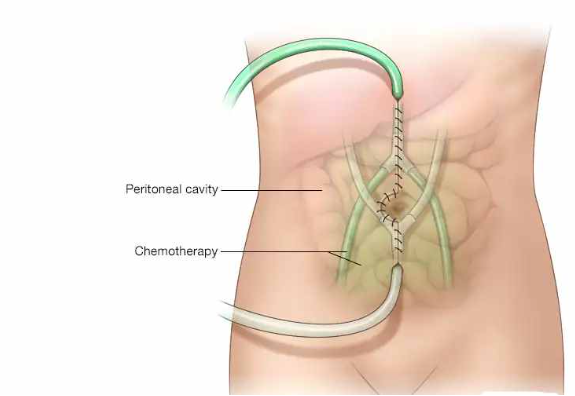
Is Tumor and Cancer Same

 Is Tumor and Cancer Same

No, a tumor and cancer are not the same. A tumor is an abnormal growth of cells, or a lump, which may be benign or malignant. Cancer, on the other hand, is a disease that is caused by the growth of malignant tumors, which grow uncontrollably and metastasize to other parts of the body.

According to Dr. Sandeep Nayak, surgical oncologist in Bangalore,
“One of the most common misconceptions I see is that every tumor is cancer. In reality, many tumors are benign and only need monitoring, while malignant tumors require timely and precise treatment to prevent spreading.”

What Are the Key Differences Between a Tumor and Cancer?

Understanding the distinction between tumor and cancer helps patients respond appropriately to their diagnosis and seek the right treatment.

  • Benign Tumors: These are non-cancerous growths that do not invade nearby tissue or spread to other organs and are usually treated by simple surgical removal.
  • Malignant Tumors: These are cancerous growths with the ability to invade surrounding tissue, enter the bloodstream, and spread to distant organs through a process called metastasis.
  • Pre-Malignant Tumors: Some tumors sit between benign and malignant, carrying a significant risk of becoming cancerous over time if left unmonitored or untreated.
  • Cancer Without Tumor: Certain cancers like leukaemia involve malignant cells circulating in the blood and bone marrow without forming a solid tumor mass.

For specialised evaluation and treatment of adrenal tumors, consult an experienced surgical oncology team for personalised care.

What Are the Key Differences Between Benign Tumor Treatment and Cancer Treatment?

Knowing whether a tumor is benign or malignant directly determines the urgency and type of treatment required.

  • Visibility / Precision: Benign tumors have smooth, well-defined borders on imaging, while malignant tumors show irregular margins, internal heterogeneity, and surrounding tissue involvement.
  • Success Rates: Benign tumors are cured in nearly 100% of cases with surgical removal, while malignant tumor treatment success depends on cancer type and stage [VERIFY: NCI data].
  • Recovery Time: Benign tumor removal through minimally invasive surgery allows recovery in 1–2 weeks, while cancer treatment involving chemotherapy or radiation requires months of structured care.
  • Complex Case Suitability: Malignant tumors with lymph node involvement or distant metastasis require a multidisciplinary oncology team for combined surgical, chemotherapy, and radiation cancer treatment planning.

In cancers such as rectal cancer, outcomes and curability largely depend on early detection, accurate staging, and a well-coordinated treatment approach.

Why Choose Dr. Sandeep Nayak for Tumor and Cancer Treatment in Bangalore?

Dr. Sandeep Nayak follows a precision-based approach to tumor and cancer treatment, combining advanced robotic and laparoscopic surgical techniques with thorough pre-operative staging and molecular diagnosis. As a pioneer of minimally invasive cancer surgery in India with inventions including RABIT for thyroid tumors and MIND for head and neck malignancies, he delivers highly specialized surgical care across a wide range of tumor types. Every patient receives a comprehensive evaluation and a personalized treatment plan designed to achieve the best possible outcome with minimal surgical impact.

Frequently Asked Questions

Can a benign tumor turn into cancer over time?

Yes, certain benign and pre-malignant tumors can become cancerous over time if left unmonitored or untreated by a specialist

How do doctors determine if a tumor is cancerous?

A biopsy, where a small tissue sample is examined under a microscope, is the definitive method to confirm whether a tumor is benign or malignant.

Is surgery always required to treat a tumor?

Not always small benign tumors may only need monitoring, while malignant tumors typically require surgery, chemotherapy, or radiation depending on their stage.

Can tumors be completely removed with robotic surgery in Bangalore?

Yes, Dr. Sandeep Nayak performs robotic and laparoscopic tumor removal for several cancer types including thyroid, colorectal, and head and neck tumors in Bangalore.

Reference links:

Disclaimer: The information shared in this content is for educational purposes and not for promotional use.

Is Leukocytosis a Cancer

Is Leukocytosis a Cancer

Leukocytosis is not a cancer but rather a high white blood cell (WBC) count, a sign of an underlying condition. Although it is often caused by non-cancerous conditions such as infections, inflammation, or certain medications, it may, in rare instances, be a sign of blood cancers such as leukemia or lymphoma.

According to Dr. Sandeep Nayak, surgical oncologist in Bangalore,
“Leukocytosis is often dismissed as infection, but if white cell counts stay elevated after treatment, specialist evaluation is essential to rule out malignancy.”

What Are the Common Causes of High TPO Antibodies and Their Link to Cancer?

Understanding why white blood cell counts rise helps determine whether cancer treatment evaluation is immediately necessary.

  • Bacterial Infections: The most common cause of leukocytosis, where the immune system produces extra white cells to fight active bacterial or viral infections in the body.
  • Chronic Inflammation: Conditions like rheumatoid arthritis, inflammatory bowel disease, and vasculitis chronically stimulate white cell production without any underlying malignancy.
  • Leukaemia: Both acute and chronic leukaemia directly cause leukocytosis by producing abnormal, non-functional white blood cells in massive quantities within the bone marrow.
  • Lymphoma: Advanced lymphoma can spill abnormal lymphocytes into the bloodstream, causing significantly elevated white cell counts detectable on a routine complete blood count.
  • Myeloproliferative Disorders: Conditions like Polycythaemia Vera and Essential Thrombocythaemia cause the bone marrow to overproduce multiple blood cell types including white cells.
  • Medication Side Effects: Corticosteroids, lithium, and colony-stimulating factors commonly elevate white blood cell counts without indicating any underlying cancer or serious disease.

According to ICMR, leukaemia accounts for approximately 2.8% of all cancers diagnosed in India annually, with persistent unexplained leukocytosis being one of the most consistent early laboratory findings. For specialised evaluation and treatment of adrenal tumors, consult an experienced surgical oncology team for personalised care.

What Are the Key Differences Between Infection-Related and Cancer-Related Leukocytosis?

Identifying the true cause of leukocytosis is critical before any cancer treatment decision is made.

  • Visibility / Precision: Infection-related leukocytosis resolves within days of antibiotic treatment, while cancer-related leukocytosis persists or worsens despite treating the apparent cause.
  • Success Rates: Blood cancers causing leukocytosis detected at early stages have significantly better outcomes, with chronic leukaemia showing 5-year survival rates above 85% [VERIFY: NCI SEER database].
  • Recovery Time: Infection-related leukocytosis normalises within 1–2 weeks of treatment, while cancer-related leukocytosis requires months of chemotherapy or targeted cancer treatment in Bangalore.
  • Complex Case Suitability: Leukocytosis with blast cells on peripheral smear or abnormal bone marrow findings requires urgent multidisciplinary cancer treatment planning by a specialist team.

In cancers such as rectal cancer, outcomes and curability largely depend on early detection, accurate staging, and a well-coordinated treatment approach.

Why Choose Dr. Sandeep Nayak for Cancer Treatment in Bangalore?

Dr. Sandeep Nayak follows a thorough and systematic approach to evaluating patients with abnormal blood findings like leukocytosis, coordinating between surgical oncology, haematology, and medical oncology to ensure accurate diagnosis and timely cancer treatment. With 24+ years of experience across complex oncology cases and a patient-first approach to diagnosis, he ensures no abnormal finding is dismissed without a complete and structured investigation. Every patient receives a personalized treatment plan focused on early detection, precise diagnosis, and the most effective cancer care available.

Frequently Asked Questions

Frequently Asked Questions

Can leukocytosis go away without cancer treatment?

Yes, leukocytosis caused by infection or inflammation resolves completely once the underlying condition is treated effectively.

What blood tests confirm if leukocytosis is cancer related?

A peripheral blood smear, bone marrow biopsy, flow cytometry, and molecular genetic testing confirm whether leukocytosis is linked to cancer.

How quickly should I see a specialist if my white cell count is high?

Any white cell count persistently above 11,000 per microlitre without an obvious cause should be evaluated by a specialist within two weeks.

Can leukocytosis caused by cancer be treated successfully?

Yes, many blood cancers causing leukocytosis respond well to chemotherapy, targeted therapy, or stem cell transplant when diagnosed and treated early.

Reference links:

Disclaimer: The information shared in this content is for educational purposes and not for promotional use.
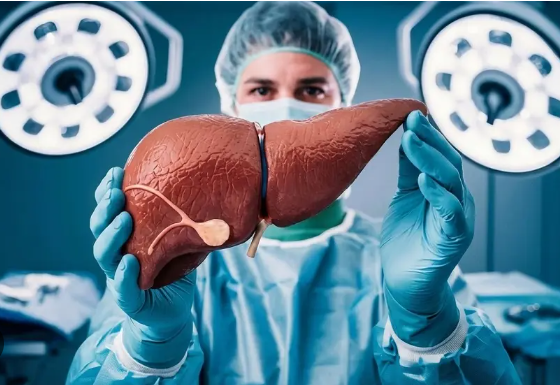
Does High TPO Antibodies Mean Cancer

Does High TPO Antibodies Mean Cancer

High TPO antibodies do not necessarily mean you have cancer. They are more of an indicator of an autoimmune thyroid condition, such as Hashimoto’s thyroiditis or Graves’ disease, which means your immune system is attacking your thyroid.

According to Dr. Sandeep Nayak, surgical oncologist in Bangalore,
“High TPO antibodies alone rarely indicate cancer, but if accompanied by a growing nodule or abnormal findings, prompt specialist evaluation is crucial to rule out thyroid malignancy.”

What Are the Common Causes of High TPO Antibodies and Their Link to Cancer?

Understanding why TPO antibodies rise helps determine whether further cancer treatment evaluation is necessary.

  • Hashimoto’s Thyroiditis: The most common cause of high TPO antibodies, this autoimmune condition causes the immune system to gradually destroy thyroid tissue over time.
  • Graves’ Disease: An autoimmune disorder causing thyroid overactivity, frequently associated with elevated TPO antibodies and requiring careful long-term thyroid monitoring.
  • Thyroid Nodules: When high TPO antibodies are found alongside thyroid nodules on ultrasound, the risk of malignant transformation increases and warrants biopsy evaluation.
  • Thyroid Cancer Risk: Studies show patients with Hashimoto’s thyroiditis and high TPO antibodies have a modestly increased risk of developing papillary thyroid carcinoma over time.
  • Post-Thyroid Surgery: Patients who have undergone partial thyroid removal may continue to show elevated TPO antibodies, requiring regular monitoring for recurrence or new nodule formation.

According to a study published in the Journal of Clinical Endocrinology and Metabolism, patients with Hashimoto’s thyroiditis and concurrent thyroid nodules showed a statistically higher incidence of thyroid malignancy compared to nodule patients without autoimmune thyroid disease. Consulting an oncologist in Bangalore when TPO antibodies are persistently elevated alongside structural thyroid changes is strongly recommended.

What Are the Key Differences Between Autoimmune and Cancer-Related High TPO Antibodies?

Identifying the true cause of elevated TPO antibodies is critical before any cancer treatment decision is considered.

  • Visibility / Precision: Autoimmune-related TPO elevation shows diffuse thyroid changes on ultrasound, while cancer-related findings present as irregular, hypoechoic nodules with abnormal blood flow patterns.
  • Success Rates: Thyroid cancer detected early through TPO investigation has a 5-year survival rate exceeding 98% for papillary carcinoma, the most common type [VERIFY: NCI SEER database].
  • Recovery Time: Early-stage thyroid cancer treatment in Bangalore using minimally invasive robotic surgery like RABIT allows recovery in 1–2 weeks with no visible neck scar.
  • Complex Case Suitability: Patients with high TPO antibodies, multiple nodules, and abnormal PET findings require a full oncology workup and specialist-led cancer treatment planning.

Dr. Sandeep Nayak evaluates each patient with elevated TPO antibodies through a structured protocol combining thyroid ultrasound, FNAC biopsy, and hormonal panels to accurately distinguish between autoimmune disease and early thyroid malignancy.

Why Choose Dr. Sandeep Nayak for Cancer Treatment in Bangalore?

Dr. Sandeep Nayak brings unmatched expertise in thyroid cancer diagnosis and surgical treatment, having invented the RABIT technique  a scarless robotic thyroid surgery that eliminates visible neck scars while delivering precise tumour removal. With 500+ RABIT surgeries performed and 24+ years of experience in surgical oncology, he is uniquely positioned to evaluate patients with complex TPO antibody findings and thyroid nodules. Every patient receives a thorough diagnostic workup and a personalized cancer treatment plan designed to detect malignancy early and treat it with minimal surgical impact.

Frequently Asked Questions

Can high TPO antibodies go away on their own?

TPO antibody levels can fluctuate but rarely normalize completely without treating the underlying autoimmune thyroid condition.

What tests should I get if my TPO antibodies are high?

A thyroid ultrasound, TSH panel, Free T3 and T4 levels, and FNAC biopsy of any detected nodule are strongly recommended.

Is thyroid cancer aggressive if detected alongside high TPO antibodies?

Most thyroid cancers linked to autoimmune disease are papillary carcinomas, which are slow-growing and highly treatable when caught early.

Can thyroid cancer surgery be done without a visible neck scar in Bangalore?

 Yes, Dr. Sandeep Nayak performs RABIT a robotic technique that removes thyroid cancer through the armpit with no neck scar.

Reference links:

Disclaimer: The information shared in this content is for educational purposes and not for promotional use.
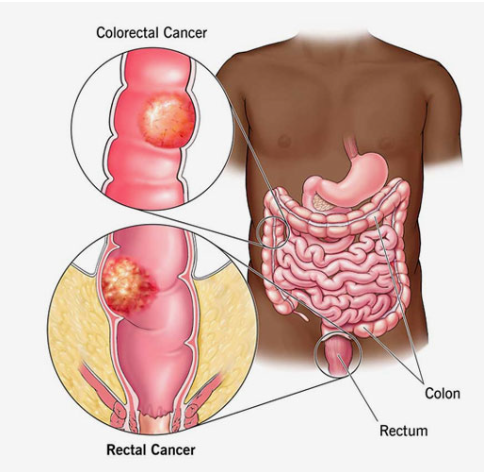
What Stage of Cancer Is Chemotherapy Used?

What Stage of Cancer Is Chemotherapy Used?

Chemotherapy is used across all stages of cancer (1-4), tailored to the goal of treatment. In early stages (1-2), it may be used to shrink tumors before surgery (neoadjuvant) or destroy remaining cells afterward (adjuvant). In advanced/metastatic stages (3-4), it is often the primary treatment to control spread, reduce symptoms, and extend survival. 
According to Dr. Sandeep Nayak, surgical oncologist in Bangalore,
“Chemotherapy is a tool, not a last resort  when used at the right stage and in the right combination with surgery or radiation, it significantly improves cure rates even in early-stage cancers that might otherwise be considered purely surgical cases.”

Why Is Chemotherapy Used at Different Stages of Cancer?

The role of chemotherapy in cancer treatment changes significantly depending on when it is administered during the disease.

  • Neoadjuvant Chemotherapy: Given before surgery to shrink large tumours, making them easier to remove and increasing the chances of organ preservation in cancers like breast and rectal cancer.
  • Adjuvant Chemotherapy: Administered after surgery to destroy any remaining microscopic cancer cells that imaging cannot detect, significantly reducing recurrence risk.
  • Concurrent Chemoradiation: Used alongside radiation therapy in cancers like throat, cervical, and oesophageal cancer to make cancer cells more sensitive to radiation damage.
  • Palliative Chemotherapy: Used in Stage 4 cancer not to cure but to slow tumour growth, relieve symptoms, and extend meaningful quality of life for patients.
  • Induction Chemotherapy: Used in blood cancers like leukaemia and lymphoma to rapidly reduce the cancer cell burden before consolidation or transplant therapy.

According to ICMR, over 70% of cancer patients in India are diagnosed at Stage 3 or Stage 4, making chemotherapy a critical component of cancer treatment for the majority of patients seen by an oncologist in Bangalore. To understand how advanced cancers are managed, you may explore our article on Which Type of Blood Cancer Is Most Dangerous?

What Are the Key Differences Between Chemotherapy at Early and Advanced Cancer Stages?

Understanding how chemotherapy goals differ by stage helps patients make informed cancer treatment decisions with their specialist.

  • Visibility / Precision: Early-stage chemotherapy targets microscopic residual disease after surgery, while advanced-stage chemotherapy targets visible tumour masses confirmed on PET or CT imaging.
  • Success Rates: Adjuvant chemotherapy in Stage 2 breast cancer improves 5-year survival rates by 10–15%, while palliative chemotherapy in Stage 4 extends median survival by months to years depending on cancer type [VERIFY: ASCO clinical data].
  • Recovery Time: Early-stage chemotherapy protocols in Bangalore are typically shorter in duration with fewer cycles, allowing patients to return to normal activity sooner.
  • Complex Case Suitability: Patients with Stage 3 or Stage 4 cancers involving lymph nodes or distant metastasis require combination chemotherapy protocols designed by a multidisciplinary oncology team.

Dr. Sandeep Nayak evaluates each patient comprehensively to determine whether chemotherapy should be used before surgery, after surgery, or as the primary cancer treatment based on tumour type, stage, and patient fitness.

Why Choose Dr. Sandeep Nayak for Cancer Treatment in Bangalore?

Dr. Sandeep Nayak follows a multidisciplinary approach to cancer treatment, integrating chemotherapy decisions with surgical planning and radiation protocols to ensure every patient receives the most effective and personalized treatment combination. With 24+ years of experience across gastrointestinal, thoracic, head and neck, and thyroid cancers, he coordinates with medical oncologists to design chemotherapy protocols that maximise outcomes while minimising side effects. Every patient receives a structured treatment plan with clearly defined goals at each stage of their cancer care.


Frequently Asked Questions

Is chemotherapy only used for Stage 3 and Stage 4 cancer?

 No, chemotherapy is used across all stages — it can be given before surgery to shrink tumours, after surgery to prevent recurrence, or alongside radiation therapy.

How many cycles of chemotherapy are typically needed?

The number of chemotherapy cycles depends on cancer type and stage, typically ranging from 4 to 8 cycles administered over several weeks or months.

Does chemotherapy always cause severe side effects?

Not always — side effects vary based on the drug used, dosage, and individual patient health, and many patients complete chemotherapy while maintaining reasonable daily activity.


Can chemotherapy be avoided with early cancer detection?

In some early-stage cancers like small thyroid or early colorectal cancer, surgery alone may be sufficient, but this decision is always made by a specialist after thorough staging.

Reference links:

https://my.clevelandclinic.org/health/diseases/17179-liver-disease

https://britishlivertrust.org.uk/information-and-support/liver-health-2/symptoms-of-liver-disease/

Disclaimer: The information shared in this content is for educational purposes and not for promotional use.

Does High B12 Mean Cancer?

Does High B12 Mean Cancer?

High TPO antibodies do not necessarily mean you have cancer. They are more of an indicator of an autoimmune thyroid condition, such as Hashimoto’s thyroiditis or Graves’ disease, which means your immune system is attacking your thyroid.

According to Dr. Sandeep Nayak, surgical oncologist in Bangalore
“High TPO antibodies alone rarely indicate cancer, but if accompanied by a growing nodule or abnormal findings, prompt specialist evaluation is crucial to rule out thyroid malignancy.”

What Are the Common Causes of High B12 and Its Link to Cancer?

Understanding why TPO antibodies rise helps determine whether further cancer treatment evaluation is necessary.

  • Hashimoto’s Thyroiditis: The most common cause of high TPO antibodies, this autoimmune condition causes the immune system to gradually destroy thyroid tissue over time.
  • Graves’ Disease: An autoimmune disorder causing thyroid overactivity, frequently associated with elevated TPO antibodies and requiring careful long-term thyroid monitoring.
  • Thyroid Nodules: When high TPO antibodies are found alongside thyroid nodules on ultrasound, the risk of malignant transformation increases and warrants biopsy evaluation.
  • Thyroid Cancer Risk: Studies show patients with Hashimoto’s thyroiditis and high TPO antibodies have a modestly increased risk of developing papillary thyroid carcinoma over time.
  • Post-Thyroid Surgery: Patients who have undergone partial thyroid removal may continue to show elevated TPO antibodies, requiring regular monitoring for recurrence or new nodule formation.

According to a study published in the Journal of Clinical Endocrinology and Metabolism, patients with Hashimoto’s thyroiditis and concurrent thyroid nodules showed a statistically higher incidence of thyroid malignancy compared to nodule patients without autoimmune thyroid disease. These mechanisms further explain how smoking causes serious damage to the respiratory system and increases overall cancer risk.

What Are the Key Differences Between Cancer-Related and Non-Cancer High B12?

Identifying the true cause of elevated TPO antibodies is critical before any cancer treatment decision is considered.

  • Visibility / Precision: Autoimmune-related TPO elevation shows diffuse thyroid changes on ultrasound, while cancer-related findings present as irregular, hypoechoic nodules with abnormal blood flow patterns.
  • Success Rates: Thyroid cancer detected early through TPO investigation has a 5-year survival rate exceeding 98% for papillary carcinoma, the most common type [VERIFY: NCI SEER database].
  • Recovery Time: Early-stage thyroid cancer treatment in Bangalore using minimally invasive robotic surgery like RABIT allows recovery in 1–2 weeks with no visible neck scar.
  • Complex Case Suitability: Patients with high TPO antibodies, multiple nodules, and abnormal PET findings require a full oncology workup and specialist-led cancer treatment planning.

In suitable cases, advanced options such as robotic cancer surgery may help improve surgical precision and recovery outcomes as part of a comprehensive treatment plan.

Why Choose Dr. Sandeep Nayak for Cancer Treatment in Bangalore?

Dr. Sandeep Nayak brings unmatched expertise in thyroid cancer diagnosis and surgical treatment, having invented the RABIT technique — a scarless robotic thyroid surgery that eliminates visible neck scars while delivering precise tumour removal. With 500+ RABIT surgeries performed and 24+ years of experience in surgical oncology, he is uniquely positioned to evaluate patients with complex TPO antibody findings and thyroid nodules. Every patient receives a thorough diagnostic workup and a personalized cancer treatment plan designed to detect malignancy early and treat it with minimal surgical impact.

Frequently Asked Questions

Should I be worried if my B12 is high on a blood test?

Not always, but persistently elevated B12 without supplementation or liver disease as a cause should be investigated further by an oncologist to rule out malignancy.

Which cancers are most commonly linked to high B12 levels?

 Liver cancer, leukaemia, lymphoma, stomach cancer, and lung cancer are most commonly associated with unexplained elevated B12 levels in clinical studies.

What tests should I get if my B12 is unexpectedly high?

 A liver function test, complete blood count, tumour marker panel, and abdominal imaging are the standard investigations recommended when B12 is unexplainably elevated.

Can high B12 levels return to normal after cancer treatment?

Yes, successful cancer treatment often results in normalization of B12 levels, making it a useful marker for monitoring treatment response over time.

Reference links:

Disclaimer: The information shared in this content is for educational purposes and not for promotional use.

Symptoms of Throat Cancer

Symptoms of Throat Cancer

Symptoms of throat cancer usually manifest in the advanced stage, but some early symptoms include a sore throat that persists for more than two weeks, voice changes, swallowing difficulties or pain, and a lump in the neck. Other symptoms include ear pain, unexplained weight loss, coughing (sometimes with blood), and shortness of breath.

According to Dr. Sandeep Nayak, Surgical oncologist in Bangalore,
“Throat cancer is one of the most treatable cancers when caught early. The problem is that its early symptoms closely mimic a sore throat or acid reflux, which is why so many patients arrive at our clinic at a much later stage than necessary.”

What Are the Early and Advanced Symptoms of Throat Cancer?

Recognising throat cancer symptoms at the right time can make the difference between a curative and a palliative treatment plan.

  • Persistent Hoarseness: A change in voice lasting more than three weeks is one of the earliest and most common signs of throat cancer affecting the voice box.
  • Difficulty Swallowing: A feeling of food getting stuck or pain while swallowing is an early warning sign that should never be ignored.
  • Lump in the Neck: A painless swelling or lump in the neck often indicates cancer has spread to nearby lymph nodes.
  • Chronic Sore Throat: A sore throat that does not resolve with standard treatment and persists beyond three weeks requires urgent investigation.

For advanced and minimally invasive management options, learn more about trans oral treatment for suitable throat cancer cases.

What Are the Key Differences Between Early and Late-Stage Throat Cancer Symptoms?

Understanding how symptoms change with disease progression helps patients seek throat cancer treatment at the right time.

  • Visibility / Precision: Early-stage throat cancer shows subtle symptoms like mild hoarseness, while late-stage disease causes visible neck lumps and breathing difficulty.
  • Success Rates: Stage 1 and Stage 2 throat cancer have survival rates of 70–90%, while Stage 4 drops significantly to 30–40% [VERIFY: NCI SEER database].
  • Recovery Time: Early-stage throat cancer treatment in Bangalore using minimally invasive robotic surgery allows recovery in 2–3 weeks, while advanced cases require longer chemo-radiation protocols.
  • Complex Case Suitability: Advanced throat cancer with lymph node involvement requires a combination of robotic surgery, radiation, and chemotherapy for effective disease control.

Dr. Sandeep Nayak evaluates each patient individually to determine the most appropriate throat cancer treatment based on tumour location, stage, and overall health.

Why Choose Dr. Sandeep Nayak for Throat Cancer Treatment in Bangalore?

Dr. Sandeep Nayak follows a precision-based approach to throat cancer treatment using advanced robotic techniques including TORS (Transoral Robotic Surgery), which allows complete tumour removal through the mouth without any external incisions. As the inventor of RIA-MIND and MIND techniques for head and neck cancers, he brings unmatched expertise in minimally invasive throat and neck surgery in India. Every patient receives a thorough diagnostic workup and a personalized treatment plan focused on organ preservation and faster recovery.

📞 Book a Consultation: drsandeepnayak.com Get a personalized throat cancer treatment plan for precise, safe, and effective cancer care.

Frequently Asked Questions

Can throat cancer be fully cured if detected early?

 Yes, throat cancer detected at Stage 1 or Stage 2 has high cure rates with surgery, radiation, or a combination of both treatments.

How is throat cancer diagnosed in Bangalore?

Throat cancer is diagnosed through a combination of endoscopy, biopsy, CT scan, and PET scan to confirm tumour location and stage.

Is robotic surgery used for throat cancer treatment?

Yes, Dr. Sandeep Nayak performs Transoral Robotic Surgery (TORS) for throat cancer, removing tumours without any external incisions or visible scars.

Can throat cancer come back after treatment?

Yes, recurrence is possible, which is why regular follow-up endoscopy and imaging scans are essential after completing throat cancer treatment.

Reference links:

Disclaimer: The information shared in this content is for educational purposes and not for promotional use.