
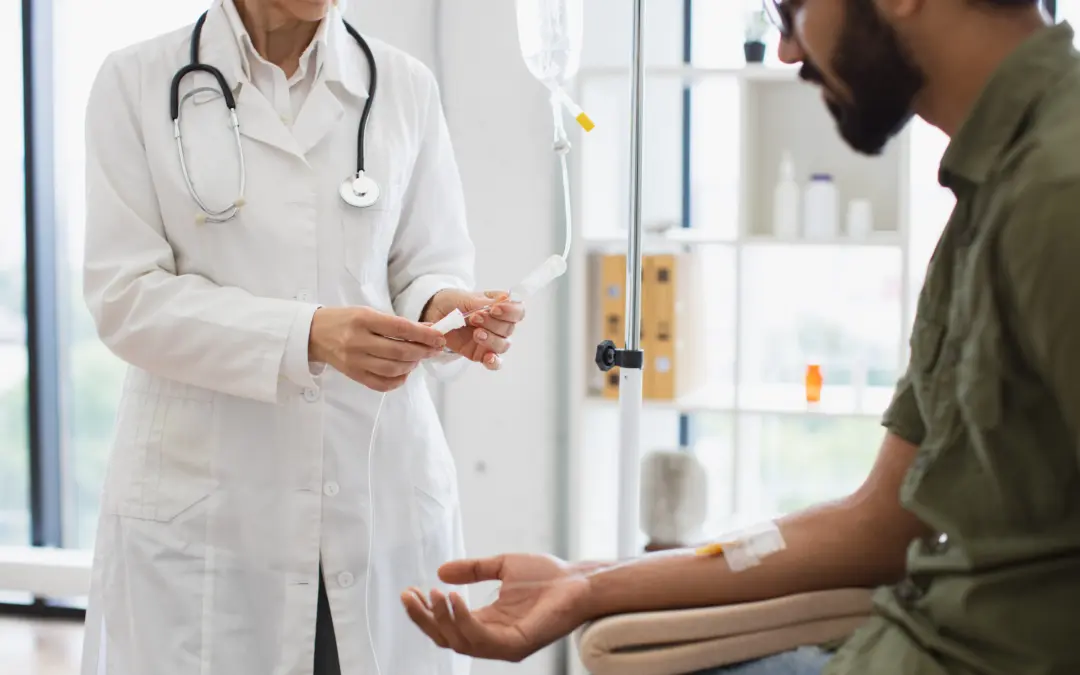
Whether chemotherapy comes first (neoadjuvant) or surgery comes first (adjuvant) depends entirely on the tumour size, cancer type and stage. A multidisciplinary tumour board makes this call, weighing how best to achieve a complete cure, shrink the tumour to allow less invasive surgery, or lower the risk of the cancer coming back. So the order is picked to fit your case, not by some fixed rule.
According to Prof. Dr. Sandeep Nayak, Surgical Oncologist in India, “I’d never decide the order alone or out of habit, because for some cancers chemo first changes what surgery can actually achieve, and getting that sequence right matters as much as the operation itself.”
Unsure which should come first in your case?
When Does Chemo Usually Come First?
Sometimes it makes more sense to treat the body before touching the tumour. Here’s when.
- To shrink it down: A big or awkwardly placed tumour often softens up with chemo first, which makes it smaller and a lot easier to take out cleanly.
- To catch hidden spread: If there’s a real chance stray cells have slipped out, chemo upfront goes after them before surgery handles the main lump.
- To see how it responds: Chemo first shows how the tumour reacts to the drugs, and that tells the team what to do after the operation.
- Certain cancers: Breast, rectal and some stomach cancers just do better with chemo leading, because that’s what the evidence keeps showing.
So chemo first isn’t a delay, it’s a plan. Working out the right order for your case is exactly why a second opinion before treatment is worth it.
When Is Surgery the Better First Step?
Other times you just take the tumour out and get on with it. These are those cases.
- It’s clearly removable: When the tumour is contained and operable as it stands, there’s no real reason to wait, so surgery goes first.
- You need the full pathology: Removing it first gives the complete read on type and grade, and that shapes whatever chemo follows.
- Chemo won’t help yet: Some cancers simply don’t shrink with chemo, so holding back surgery for it would gain nothing.
- It can’t wait: A tumour blocking, bleeding or pressing on something usually has to come out first, whatever the long game looks like.
So surgery first is about acting when waiting buys you nothing. In the right cases, robotic cancer surgery takes the tumour out precisely and gets recovery moving sooner.
Why Choose Dr. Sandeep Nayak for Your Cancer Treatment?
Dr. Sandeep Nayak brings 24 years of surgical oncology experience, DNB qualifications in Surgical Oncology and General Surgery and a fellowship in Laparoscopic and Robotic Onco-Surgery to every treatment decision across all cancer types. He weighs the order of treatment on the evidence and your specific case, rather than defaulting to whichever step is quickest.
That careful sequencing is what gives a treatment plan its best chance. Every case at MACS Clinic goes through a full tumour board, where surgery, chemotherapy and radiation are weighed together before the order is set. Call +91 8104310753 to book your consultation.
Frequently Asked Questions
Is chemo or surgery done first?
It depends on the cancer type, stage and whether shrinking the tumour helps first.
Why give chemo before surgery?
It can shrink the tumour, making surgery safer and more likely to succeed.
When is surgery done first?
When the tumour is removable upfront and no shrinking is needed beforehand.
Who decides the order?
A multidisciplinary tumour board decides based on your specific case.
References:
- National Cancer Institute — Types of Cancer Treatment. https://www.cancer.gov/
- World Health Organisation — Cancer. https://www.who.int/news-room/fact-sheets/detail/cancer
