
Every child deserves the chance to live their lives to the fullest without the burden of cancer. Even though childhood cancer cases are fewer than adult cases, these types of cancer can arise unexpectedly and have symptoms that can be overlooked because of their similarity to other diseases that are common among children.
September is Childhood Cancer Awareness Month – it is the month when people get informed about childhood cancers, their symptoms, and new treatment options. The key aspects highlighted during this campaign include early diagnosis, specialized treatment, and care for those affected by childhood cancer.
“Early attention, accurate diagnosis, and individualized treatment are important factors in the case of childhood cancers. Awareness can help parents recognize unusual symptoms and seek proper medical advice in time,” says Dr. Sandeep Nayak.
Dr. Sandeep Nayak is an internationally recognized oncologist in India. He conducts complicated surgical operations and provides advanced cancer treatment in Bangalore. His main goals include accurate diagnosis, individualized treatment, and caring for patients throughout the process.
What makes childhood cancer different from adult cancers? Let’s explore how childhood cancers develop and why specialized care matters.
Understanding Childhood Cancer
Childhood cancer refers to cancers that develop in children and adolescents, usually below the age of 18. Unlike many adult cancers, childhood cancers are rarely linked to lifestyle factors. They often result from genetic changes that affect normal cell growth.
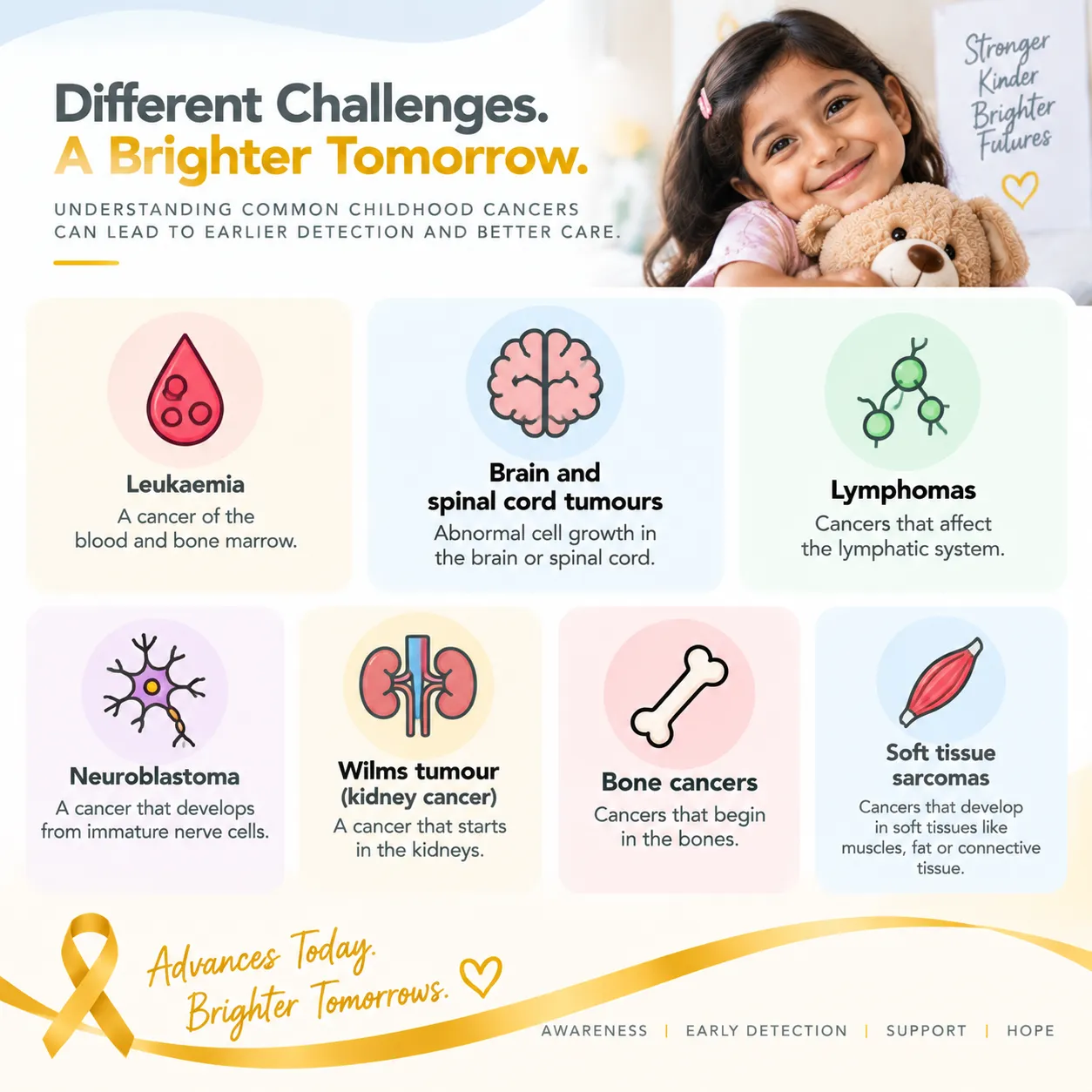
The most common childhood cancers include:
Childhood cancers can occur in different organs and tissues, making awareness of symptoms and early medical evaluation extremely important.
Treatment decisions depend on several factors, including:
- Type of cancer
- Location of the tumor
- Stage of disease
- Child’s age and overall health
With advances in diagnosis and treatment, many childhood cancers can be successfully managed with appropriate care.
Why does timing matter so much? Let’s understand how early diagnosis can impact childhood cancer outcomes.
Why Early Detection Matters in Childhood Cancer
Identifying cancer at an earlier stage can help doctors:
● Start treatment sooner
● Prevent disease progression
● Improve treatment options
● Reduce complications
● Support better long-term outcomes
Early detection does not always prevent cancer, but it can improve the chances of successful treatment.
Parents should seek medical advice when symptoms persist, worsen, or appear unusual for their child.
Have concerns about unusual symptoms in your child?
Early evaluation can help identify the cause and guide appropriate care.
Connect with a specialist for timely advice.
Which symptoms should parents watch for? Let’s discover the signs that may require medical evaluation.
Early Warning Signs of Childhood Cancer Parents Should Know
Most childhood cancer symptoms resemble ordinary childhood illness. That overlap is why they get missed. If something persists longer than it should, though, it’s worth a doctor’s visit.
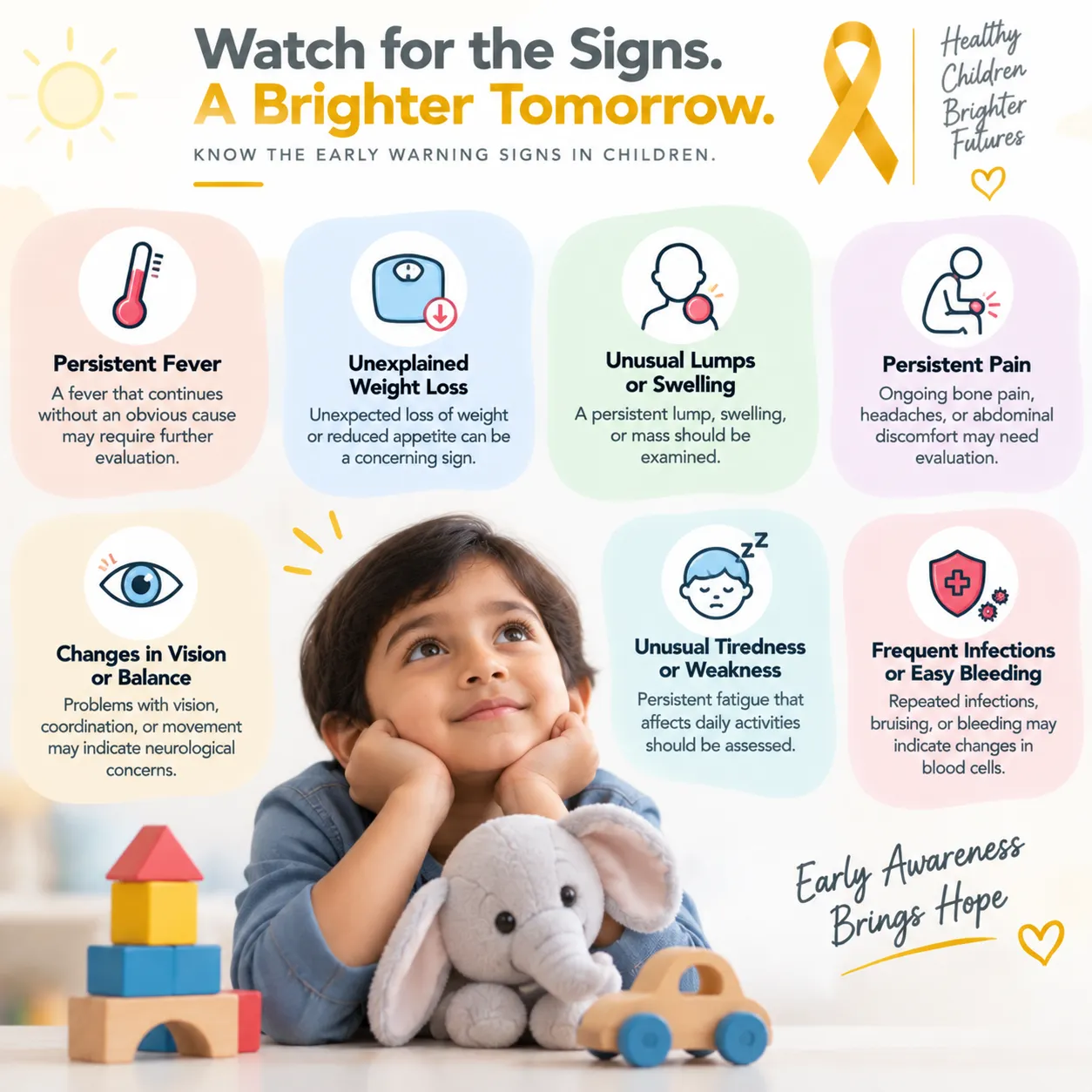
None of this means it’s cancer. It just means don’t ignore it if it keeps coming back.
Why is raising awareness important? Here’s what it actually accomplishes
The Role of Childhood Cancer Awareness Month
This month helps bring attention to what children with cancer, and their families, actually go through.
Most awareness efforts focus on:
- Helping people spot early warning signs
- Making diagnosis and treatment easier to access
- Supporting children and families going through it
- Pushing forward research and new treatment options
- Clearing up fear and misinformation around the disease
Greater awareness helps communities understand that early medical attention can play an important role in improving outcomes.
Which cancers commonly affect children? Let’s explore the major types seen in childhood.
Common Types of Childhood Cancer
Childhood cancers can develop in different parts of the body, and each one has its own symptoms and its own treatment approach. Some occur more frequently in children than others.
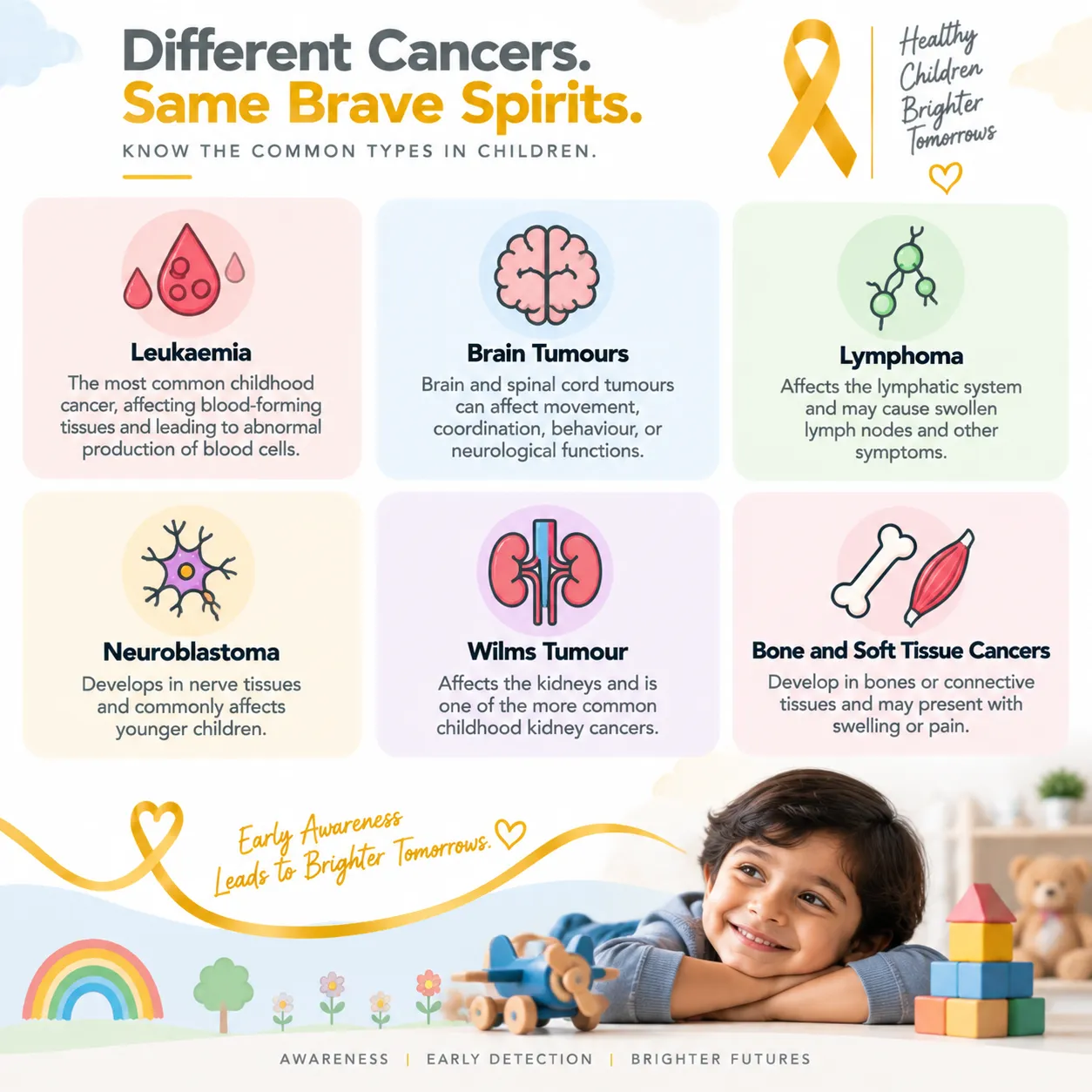
Even a rough idea of what these look like can help a parent catch something early instead of writing it off.
How do doctors confirm childhood cancer? Let’s explore the steps involved in diagnosis.
How Is Childhood Cancer Diagnosed?
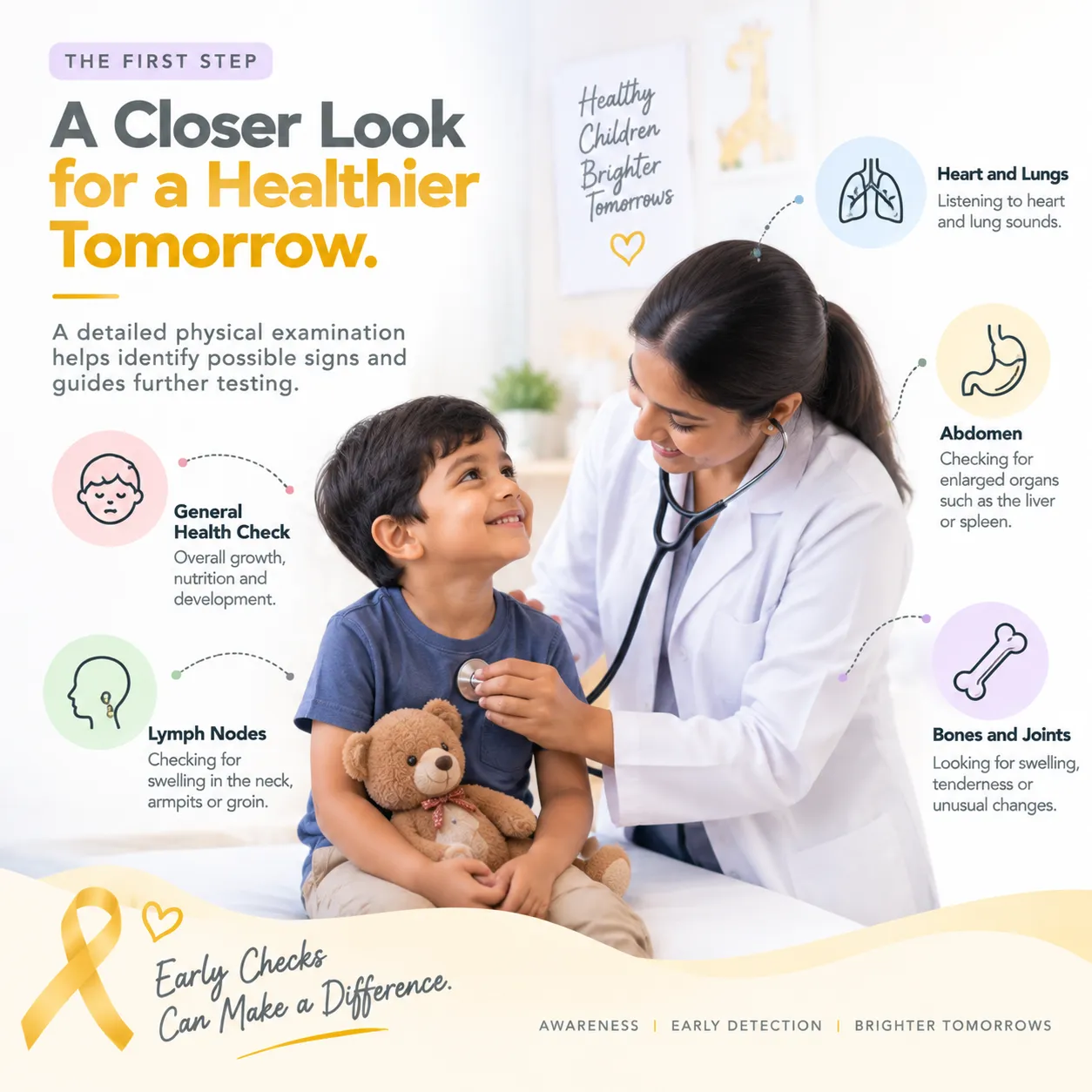
Physical Examination
Doctors assess symptoms, growth patterns, and physical changes.
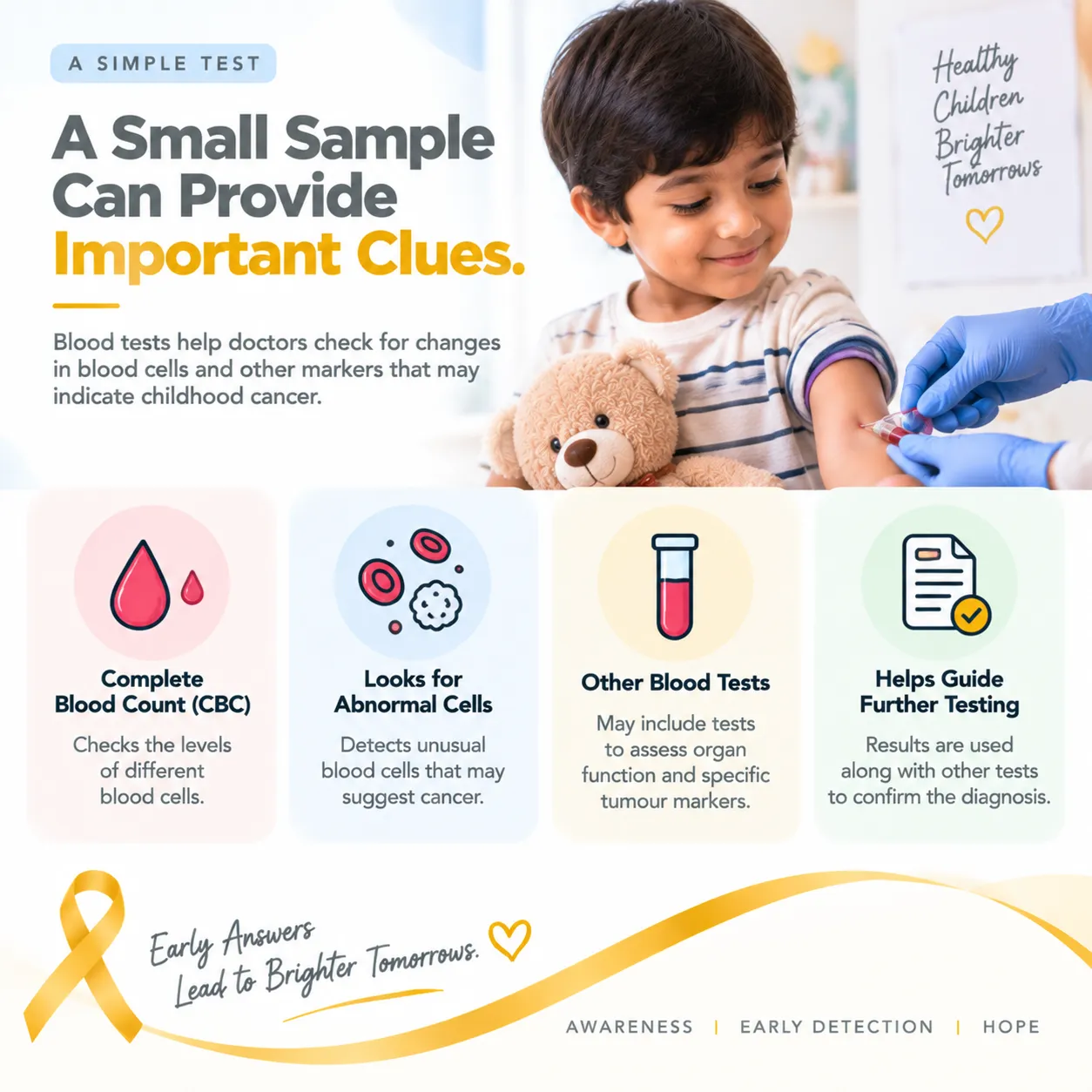
Blood Tests
Blood tests help identify abnormalities in blood cells and other markers.
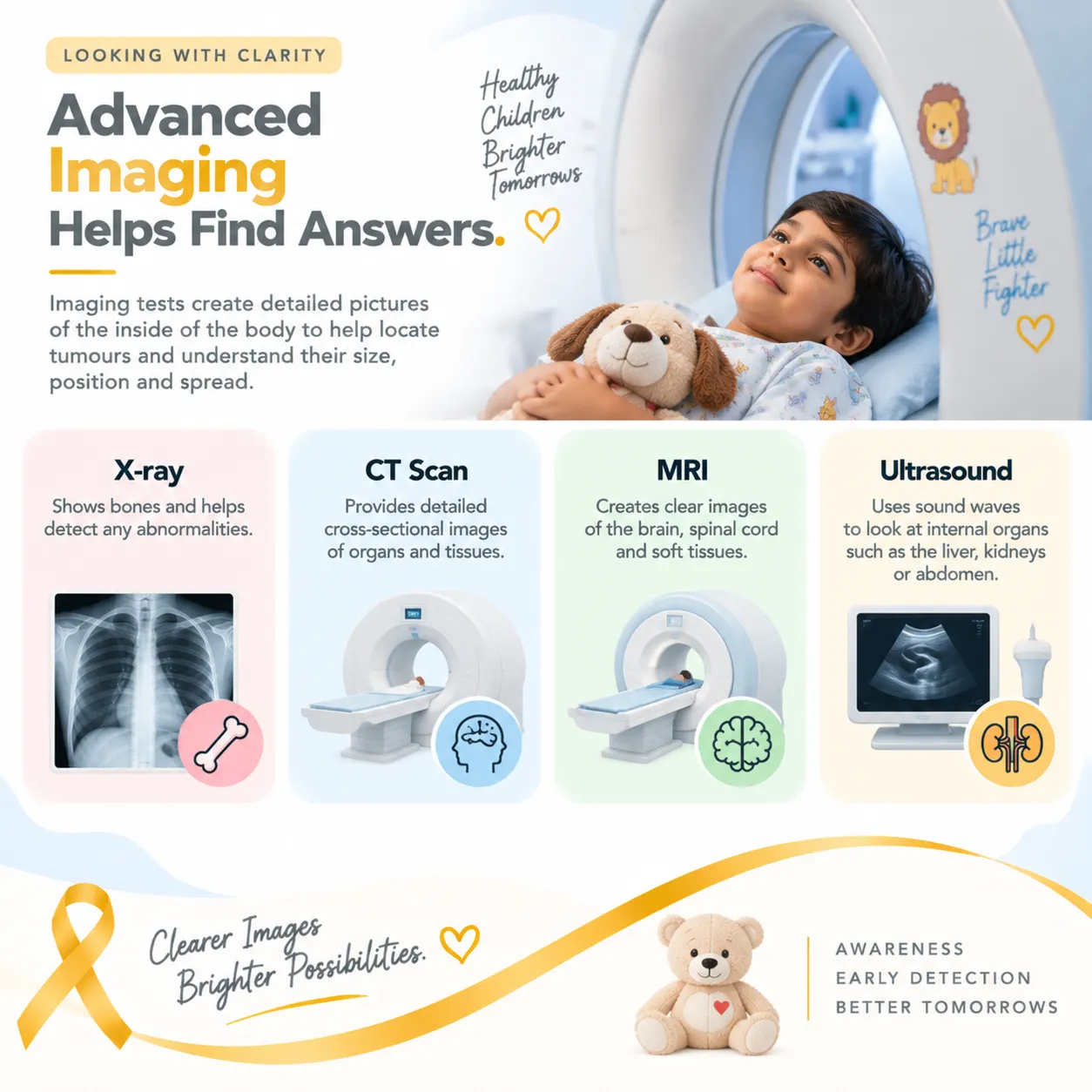
Imaging Tests
CT scans, MRI scans, ultrasound, or PET scans may help locate and evaluate tumors.
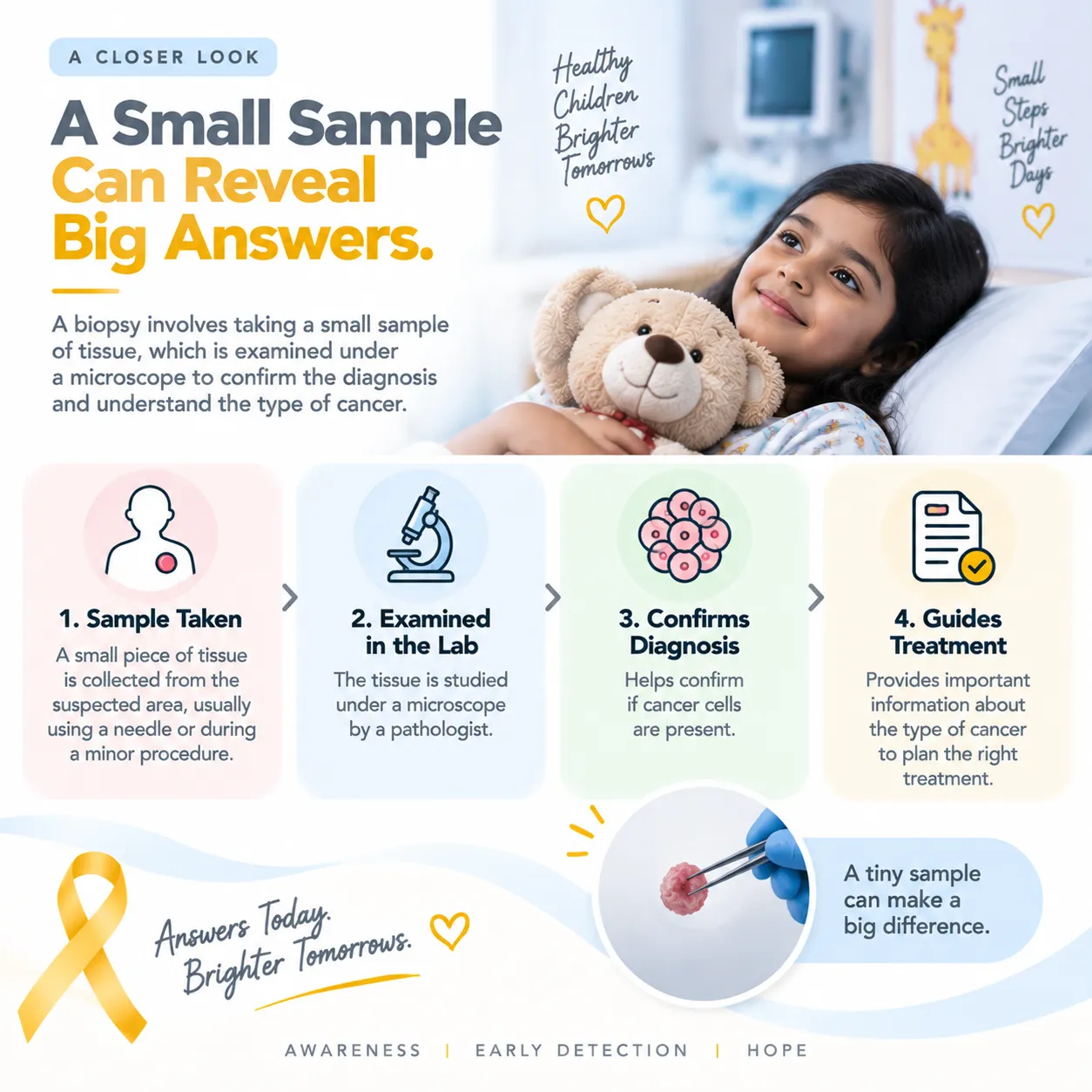
Biopsy
A biopsy involves examining a tissue sample to confirm the cancer type.
Getting the diagnosis right helps create a treatment plan based on the child’s specific condition.
How is childhood cancer actually treated these days? Here’s a look at the current approaches
Treatment Approaches for Childhood Cancer
It depends on the type of cancer, location, and stage.
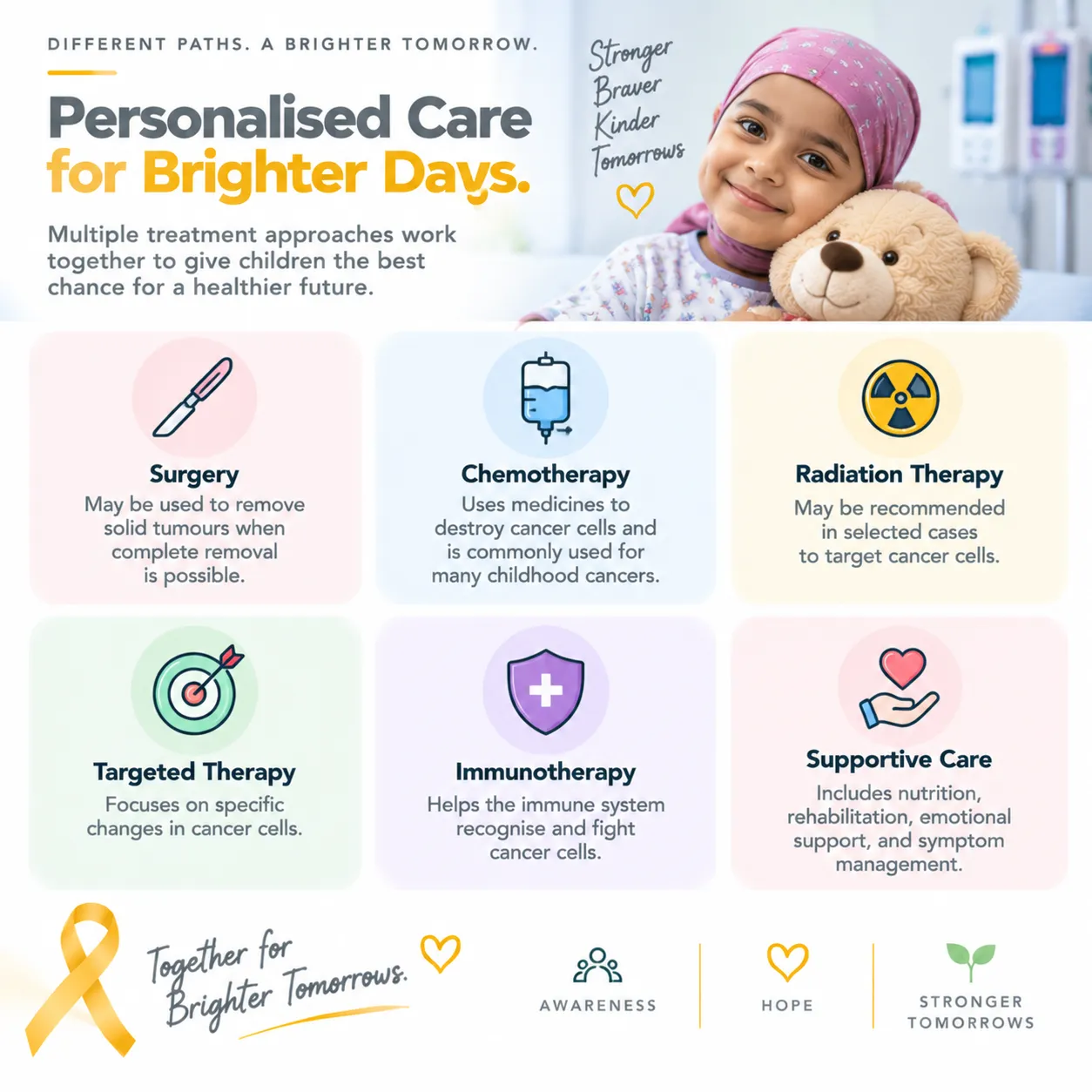
Survival isn’t the only goal anymore either. Quality of life during and after treatment gets just as much attention now.
Why is raising awareness important? Here’s what it actually accomplishes
The Role of Childhood Cancer Awareness Month
This month helps bring attention to what children with cancer, and their families, actually go through.
Most awareness efforts focus on:
- Helping people spot early warning signs
- Making diagnosis and treatment easier to access
- Supporting children and families going through it
- Pushing forward research and new treatment options
- Clearing up fear and misinformation around the disease
Greater awareness helps communities understand that early medical attention can play an important role in improving outcomes.
Conclusion
Childhood cancer is a serious health condition, but through improvements in diagnostic techniques, treatment, and management, the outcome for many children has become better. Being aware of the signs that point to cancer and having proper consultations can go a long way in detecting issues.
Parents play a big part by monitoring changes in a child’s health and consulting professionals if symptoms persist. Accessing care from an experienced cancer specialist in Bangalore can help ensure accurate diagnosis and effective treatment planning.
Dr. Sandeep Nayak, a noted surgical oncologist in Bangalore, and his team focus on providing comprehensive cancer care supported by advanced treatment approaches, personalized planning, and a patient-centered approach.
Frequently Asked Questions
What is Childhood Cancer Awareness Month?
Childhood Cancer Awareness Month is observed to increase awareness about childhood cancers, early detection, treatment advances, and support for children and families affected by cancer.
Which are some of the common childhood cancers?
The most common childhood cancers include Leukemia, Brain tumors, Lymphomas, Neuroblastoma, Wilms tumor, and Bone cancers.
How can one detect the early symptoms of childhood cancer?
Early symptoms can include fever, unexplained weight loss, unusual lumps, pain, weakness, and vision and movement problems.
Is childhood cancer curable?
Most childhood cancers are curable with proper early diagnosis and treatment.
Is childhood cancer caused by any lifestyle issues?
Generally, no; it is mostly caused by changes in cell growth.
References
Disclaimer: The information shared in this content is for educational purposes and not for promotional use.
