
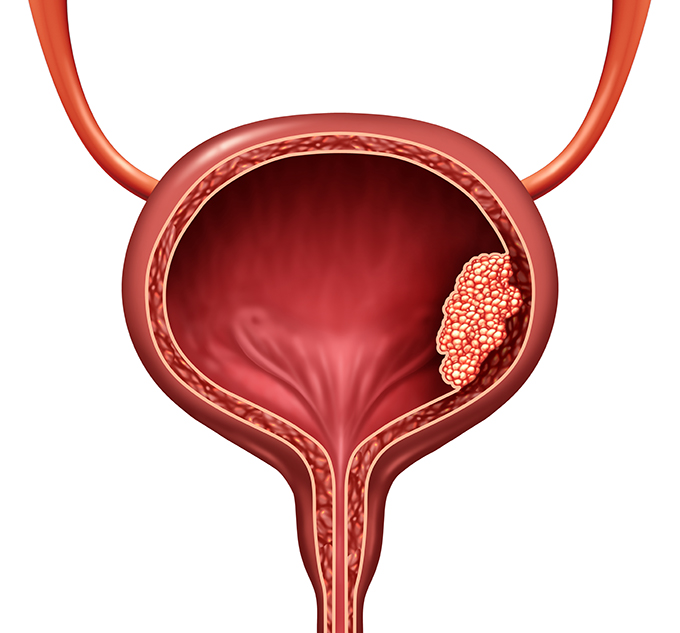
Bladder preservation is possible in bladder cancer, and for the majority of patients it’s the standard path. Around 75 percent of diagnoses are non-muscle invasive. The tumour hasn’t reached the bladder muscle. Those cases are almost always managed without removing the bladder. Even muscle invasive disease has a preservation route, chemoradiation combined with initial surgery, that delivers comparable outcomes to cystectomy in the right patients.
According to Prof. Dr. Sandeep Nayak, Surgical Oncologist in India, “Bladder removal is not the automatic answer for every muscle invasive bladder cancer. Trimodal therapy, TURBT followed by concurrent chemoradiation, has published outcomes comparable to cystectomy in the right patient. The decision rests on tumour characteristics, bladder function, patient fitness, and whether the cancer responds to the initial resection. The tumour board makes that call with all four factors on the table.”
Losing the bladder is not inevitable. Stage and response decide what’s actually possible.
When Can the Bladder Be Preserved?
Three situations support bladder preservation. Each has clear criteria.
- Non-muscle invasive bladder cancer: Stages Ta, T1 and carcinoma in situ. The tumour hasn’t grown into the bladder muscle. TURBT removes it endoscopically. No open surgery, no cystectomy. Intravesical BCG or chemotherapy follows to reduce the chance of it coming back.
- Trimodal therapy for muscle invasive: TURBT removes as much visible tumour as possible. Concurrent chemoradiation follows. Works best in single tumours, no hydronephrosis, complete or near-complete initial resection and a bladder that still functions well.
- Partial cystectomy in rare cases: A small number of patients with a single accessible tumour and adequate remaining bladder capacity can have just that segment removed. Strict patient selection. Not the majority.
- Response-guided approach: Some centres restage with cystoscopy and biopsy after initial treatment. Complete responders are followed closely. Salvage cystectomy is available if disease persists or returns.
For patients whose bladder cancer requires robotic surgery whether TURBT, partial or radical cystectomy, robotic cancer surgery brings precision and faster recovery compared to open approaches.
When Is Cystectomy the Necessary Option?
Some situations make bladder removal the safest clinical choice.
- Muscle invasive, not trimodal-eligible: Multifocal tumours, hydronephrosis, incomplete initial TURBT, or poor bladder function. These features make chemoradiation unlikely to achieve durable control. Radical cystectomy is the standard.
- No response to chemoradiation: If restaging after trimodal therapy shows residual or recurrent muscle invasive disease, salvage cystectomy becomes necessary. Continuing bladder preservation after a failed response adds risk without benefit.
- High-grade recurrent non-muscle invasive: Multiple BCG failures with high-grade recurrent disease or progression toward muscle invasion. The bladder is no longer responding to bladder-sparing treatment. Cystectomy earlier is better than cystectomy later.
- Extensive or locally advanced disease: T4 tumours involving adjacent organs, or disease where the bladder itself is structurally compromised. Preservation is no longer functionally or oncologically sound.
For patients at the earliest stage where preservation is most achievable, our blog on bladder cancer warning signs explains what early symptoms look like and why they matter so much.
Why Choose Dr. Sandeep Nayak for Bladder Cancer Treatment?
Dr. Sandeep Nayak has spent 24 years in surgical oncology. He holds DNB qualifications in Surgical Oncology and General Surgery, plus a fellowship in Laparoscopic and Robotic Onco Surgery. He performs robotic TURBT, robotic partial cystectomy and robotic radical cystectomy for bladder cancer, evaluates every muscle invasive case for trimodal therapy eligibility at the tumour board, and ensures bladder preservation is considered before cystectomy is recommended.
That preservation-first conversation at the first consultation, rather than defaulting to cystectomy as the path of least resistance, is what gives bladder cancer patients a complete picture of their options before any decision is made. Call +91 8104310753 to book your consultation.
Frequently Asked Questions
Is bladder preservation possible in bladder cancer?
Yes, for non-muscle invasive and selected muscle invasive cases.
What is trimodal therapy for bladder cancer?
TURBT followed by concurrent chemotherapy and radiation without cystectomy.
When is cystectomy unavoidable in bladder cancer?
Muscle invasive disease not responding to or unsuitable for trimodal therapy.
Does bladder preservation affect survival?
In selected patients outcomes are comparable to cystectomy in published studies.
Disclaimer: This blog is for informational purposes only and is not a substitute for professional medical advice.
