
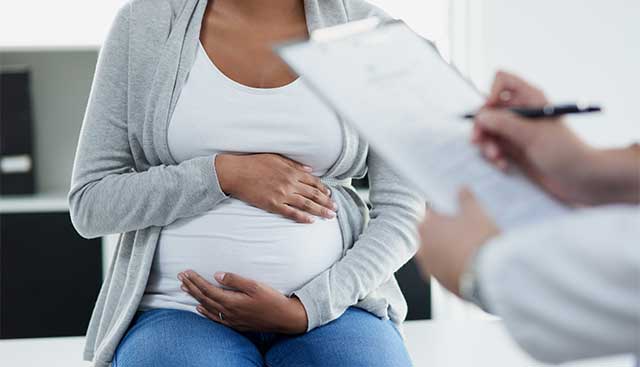
Yes, in most cases it can be, though it really depends on the specifics. Which treatment, how advanced the cancer is, and which trimester you’re in, all of it changes what’s actually possible. This isn’t a one-size-fits-all answer, it takes a team, cancer specialists and pregnancy experts working the plan out together, step by step.
According to Dr. Sandeep Nayak, surgical oncologist in Bangalorewith over 24 years of experience treating solid tumors, “This is one of the most frightening moments a patient can walk into my clinic with, and I understand why. But waiting isn’t automatically safer, and treating isn’t automatically risky. Every case needs its own plan, built around the cancer and the pregnancy together, not one at the expense of the other.”
Diagnosed with cancer during pregnancy and unsure what’s next?
What Determines If Treatment Is Safe?
- The trimester matters a lot. Surgery is generally considered safer throughout pregnancy, while chemotherapy is usually avoided in the first trimester due to higher risk to the developing baby.
- Cancer type and stage change everything, some cancers can wait a few weeks safely, others genuinely can’t.
- Radiation therapy is the trickiest one, often delayed until after delivery unless the situation is urgent.
- Every decision here gets made jointly, oncology and obstetrics, not oncology alone.
This kind of case comes up more often with pregnancy-associated breast cancer specifically, and if that’s your situation, our Breast Cancer treatment page goes into the surgical side of it in more depth.
Can Chemotherapy or Surgery Happen During Pregnancy?
-
- Surgery is usually possible in any trimester, with anaesthesia protocols adjusted specifically for pregnancy.
- Chemotherapy, when needed, is generally given from the second trimester onward, once the highest-risk period for the baby has passed.
- Certain chemotherapy drugs are considered safer than others during pregnancy, this isn’t a blanket yes or no.
- Delivery timing sometimes gets planned around the treatment schedule itself, not just around the due date.
Once treatment’s done and you’re thinking further ahead, we’ve written about the other side of this question in Is Pregnancy Safe After Cancer Treatment?, worth reading if pregnancy after treatment is something you’re planning for.
Why Choose Dr. Sandeep Nayak ?
Dr. Sandeep Nayak has spent more than two decades in surgical oncology, and cases involving cancer during pregnancy, where timing and precision matter more than almost anywhere else, have been part of that work throughout. He currently serves as Chairman of Oncology Services for Karnataka and heads Surgical Oncology and Robotic Surgery at KIMS Hospital, Bangalore. What tends to matter most to patients isn’t the title though, it’s that he works the plan out jointly with the obstetric team from day one, rather than treating the cancer and the pregnancy as two separate problems being managed in parallel. That coordination is often where things get missed elsewhere.
Diagnosed during pregnancy and not sure what happens next? Don’t sit on it waiting for more clarity to arrive on its own. Call +91 9482202240 and get someone to actually walk you through it.
Frequently Asked Questions
Does a cancer diagnosis during pregnancy mean I have to terminate?
No, not automatically. Termination isn’t the default path, plenty of pregnancies continue safely alongside treatment, depending on the case.
Is chemotherapy safe for the baby at any point?
Not in the first trimester, that’s generally avoided. Second and third trimester chemotherapy, with the right drugs, is considered safer and is done fairly routinely when needed.
Will treatment during pregnancy affect the baby's development?
It can, depending on timing and treatment type, which is exactly why this gets planned so carefully rather than rushed into.
Can I still deliver a healthy baby while undergoing treatment?
In many cases, yes. Plenty of women go on to deliver healthy babies while managing cancer treatment, with close monitoring throughout.
Reference
- American Cancer Society — Treating Breast Cancer During Pregnancy:
Treating Breast Cancer During Pregnancy — American Cancer Society - National Cancer Institute — Breast Cancer During Pregnancy:
Breast Cancer During Pregnancy — NCI
Disclaimer: This blog is for informational and educational purposes only and is not a substitute for professional medical advice or diagnosis.
