
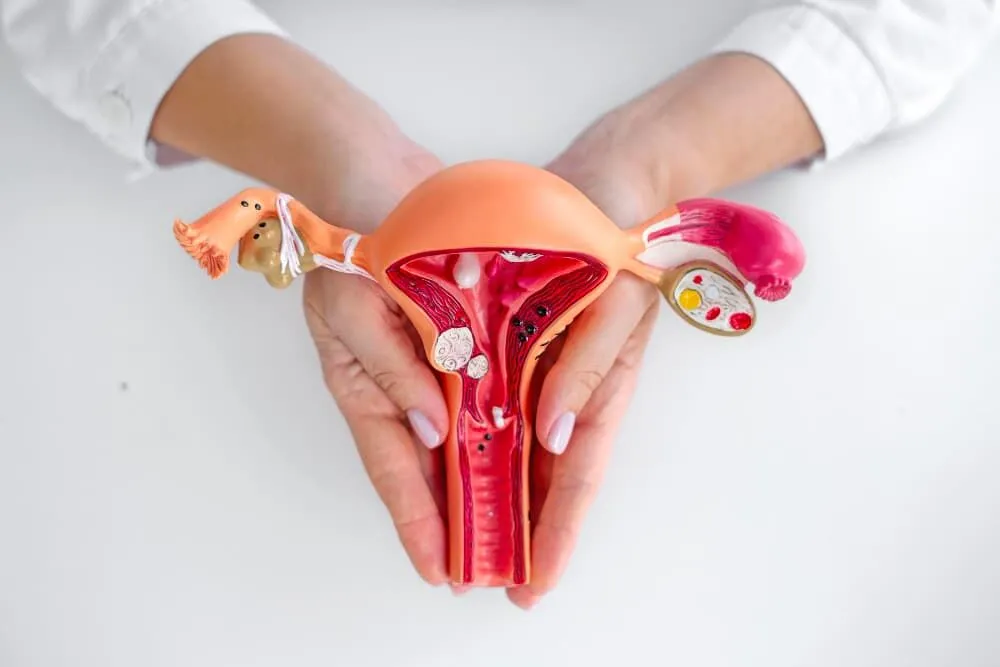
Early stage cervical cancer can often be treated without removing the uterus. For very early disease, conisation or cone biopsy removes the cancerous tissue while the uterus stays completely intact. For slightly larger early tumours in women who want to preserve fertility, trachelectomy removes only the cervix while leaving the uterus in place. For locally advanced disease that doesn’t need surgery, chemoradiation is the standard treatment and the uterus isn’t removed at all. Hysterectomy becomes the standard option from stage IB2 upward or when the tumour exceeds certain size thresholds.
According to Prof. Dr. Sandeep Nayak, Surgical Oncologist in India, “The first question many young women ask after a cervical cancer diagnosis is whether they’ll lose their uterus. For a significant number of them, the honest answer is no. Stage, tumour size, lymph node status and fertility wishes all go into that discussion. It’s not a yes or no question at diagnosis. It’s a conversation the tumour board has with each patient’s specific pathology in front of them.”
A cervical cancer diagnosis doesn’t automatically mean a hysterectomy. Stage decides everything.
When Can Hysterectomy Be Avoided in Cervical Cancer?
Stage and tumour size determine which options are on the table.
- Conisation for stage IA1: Very early superficial cancer confined to the cervix. A cone-shaped piece of cervical tissue is removed. Uterus stays. Pregnancy remains possible. Cure rates above 95 percent for this stage.
- Trachelectomy for stage IA2 to IB1: Removes the cervix, upper vagina and surrounding tissue while the uterus stays in place. For tumours under 2 cm in carefully selected patients. Fertility preserved. Second trimester pregnancy risk needs cervical cerclage.
- Chemoradiation for locally advanced disease: From stage IB3 onward, concurrent cisplatin-based chemotherapy with radiation replaces surgery as the primary treatment. The uterus isn’t removed. Ovarian function may be affected but the uterus remains.
- Simple hysterectomy for low-risk early disease: A 2024 NEJM trial confirmed simple hysterectomy equals radical hysterectomy in recurrence outcomes for low-risk stage IB1 tumours under 2 cm. Less tissue removed, fewer side effects, same cure rate.
For patients undergoing robotic-assisted radical trachelectomy or radical hysterectomy where minimally invasive surgery is indicated, robotic cancer surgery brings nerve-sparing precision and significantly faster recovery than open surgery.
When Is Hysterectomy the Standard and Non-Negotiable Treatment?
Some situations make hysterectomy the safest and most appropriate path.
- Tumours over 2 cm at stage IB2: Larger tumours have a higher risk of parametrial spread and lymph node involvement. Radical hysterectomy with pelvic lymph node dissection is the standard surgical approach here.
- Completed family, no fertility concern: For women who have completed childbearing, radical hysterectomy offers definitive treatment and removes the risk of future cervical cancer in the remaining uterus.
- Radiation-resistant or recurrent disease: When cervical cancer recurs after primary chemoradiation, pelvic exenteration or radical hysterectomy may be the only curative surgical option left.
- Advanced local disease requiring surgery: Stage IVA disease involving the bladder or rectum may need exenteration surgery. The uterus is removed as part of a wider resection.
For more on how HPV vaccination prevents the cervical cancer that makes these decisions necessary in the first place, our blog on HPV vaccine cervical cancer covers the prevention picture in full.
Why Choose Dr. Sandeep Nayak for Cervical Cancer Treatment?
Dr. Sandeep Nayak has spent 24 years in surgical oncology. He holds DNB qualifications in Surgical Oncology and General Surgery, plus a fellowship in Laparoscopic and Robotic Onco Surgery. He performs robotic-assisted radical hysterectomy, radical trachelectomy, and fertility-sparing cervical surgery using minimally invasive techniques, and presents every cervical cancer case to the tumour board so the fertility conversation happens before any treatment decision is finalised.
That fertility-first discussion at the first consultation, not as an afterthought after the surgical plan is already set, is what gives young women with cervical cancer a realistic picture of what their options actually are. Call +91 8104310753 to book your consultation.
Frequently Asked Questions
Can cervical cancer be treated without hysterectomy?
Yes, early stage and small tumours have fertility sparing options available.
What is trachelectomy in cervical cancer?
Removal of the cervix only while keeping the uterus for future pregnancy.
When is hysterectomy unavoidable in cervical cancer?
Stage IB2 and above or when tumour size exceeds 2 cm generally.
Can chemoradiation replace surgery for cervical cancer?
Yes, for locally advanced disease chemoradiation is the standard treatment.
Disclaimer: This blog is for informational purposes only and is not a substitute for professional medical advice.
