
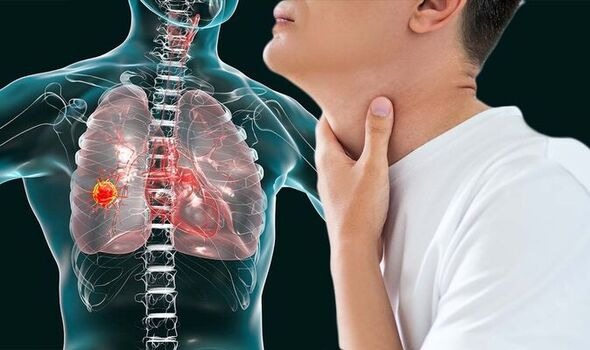
Shortness of breath is rarely caused by lung cancer. The vast majority of cases come from asthma, anaemia, anxiety, heart conditions, COPD, being unfit or post viral effects. Lung cancer is the uncommon explanation, especially in non smokers. The pattern that genuinely warrants investigation is breathlessness that worsens over weeks rather than days, comes with persistent cough, blood in mucus, chest pain or weight loss, particularly in patients with a smoking history or significant pollution exposure.
According to Prof. Dr. Sandeep Nayak, Surgical Oncologist in India, “Most patients worried about breathlessness turn out to have asthma, anaemia or anxiety, not lung cancer. What I take seriously is breathlessness that’s getting worse week by week, not day by day, especially with a persistent cough or weight loss. That’s the pattern that earns a proper chest workup.”
That breathlessness deserves a clear explanation, not weeks of fearful searching online.
What Usually Causes Shortness of Breath?
Most causes are common and treatable. Here’s what they typically are.
- Asthma allergies: Asthma, allergic rhinitis and post viral airway inflammation are the most common causes, especially when breathlessness comes with wheezing or worsens at night.
- Low iron: Anaemia, especially from low iron levels, leaves you breathless even with light activity, and is one of the most missed causes in Indian women.
- Anxiety stress: Anxiety and panic attacks cause a real, physical sensation of not being able to breathe, often confused with a serious lung or heart issue.
- Heart issues: Conditions like heart failure, valve problems or rhythm issues can cause breathlessness on exertion, often improving with proper cardiac treatment.
So most breathlessness has a benign or treatable explanation. For patients whose treatment involves surgery, robotic cancer surgery offers precise, recovery focused treatment as part of a complete plan.
When Should Breathlessness Be Investigated?
A few specific patterns are the ones that warrant a proper check.
- Slowly worsening: Breathlessness that has gradually got worse over weeks or months, not days, is the timeline that warrants chest imaging rather than wait and watch.
- Cough together: A persistent cough beyond three weeks alongside breathlessness, especially with blood in mucus or chest pain, shifts the picture significantly.
- Smoker history: Anyone with a current or past smoking habit, or significant air pollution exposure, should get a chest X-ray or CT promptly when breathlessness sets in.
- Weight loss: Unexplained weight loss with worsening breathlessness is a classic combination that warrants a full lung cancer workup, not just an inhaler.
So pattern and combined symptoms matter more than the breathlessness itself. The same calm but prompt evaluation approach applies to any persistent change like a painless lump, where the signs that pair with it tell you what’s actually going on.
Why Choose Dr. Sandeep Nayak for Your Breast Cancer Care?
Dr. Sandeep Nayak brings 24 years of surgical oncology experience, DNB qualifications in Surgical Oncology and General Surgery and a fellowship in Laparoscopic and Robotic Onco Surgery to the care of patients across every cancer type, including lung cancer. He evaluates breathlessness thoroughly with chest imaging when the pattern fits, reassuring patients when the cause is benign, so the small fraction of cases that turn out to be cancer get caught at their most treatable stage.
That balanced reading is what catches the rare cancer in time without panicking the many cases that aren’t. Every case at MACS Clinic goes through a full tumour board, where the diagnostic plan is set together. Call +91 8104310753 to book your consultation.
Frequently Asked Questions
Is shortness of breath a lung cancer sign?
Rarely, most cases are asthma, anxiety, anaemia or heart issues.
What usually causes shortness of breath?
Asthma, anaemia, anxiety, heart conditions, COPD or being unfit.
When should breathlessness be checked?
If worsening, persistent, with cough, blood or chest pain.
What test is done?
Chest X-ray, CT scan, lung function and sometimes biopsy.
References:
- National Cancer Institute, Lung Cancer Symptoms. https://www.cancer.gov/
- World Health Organisation, Cancer. https://www.who.int/news-room/fact-sheets/detail/cancer
