
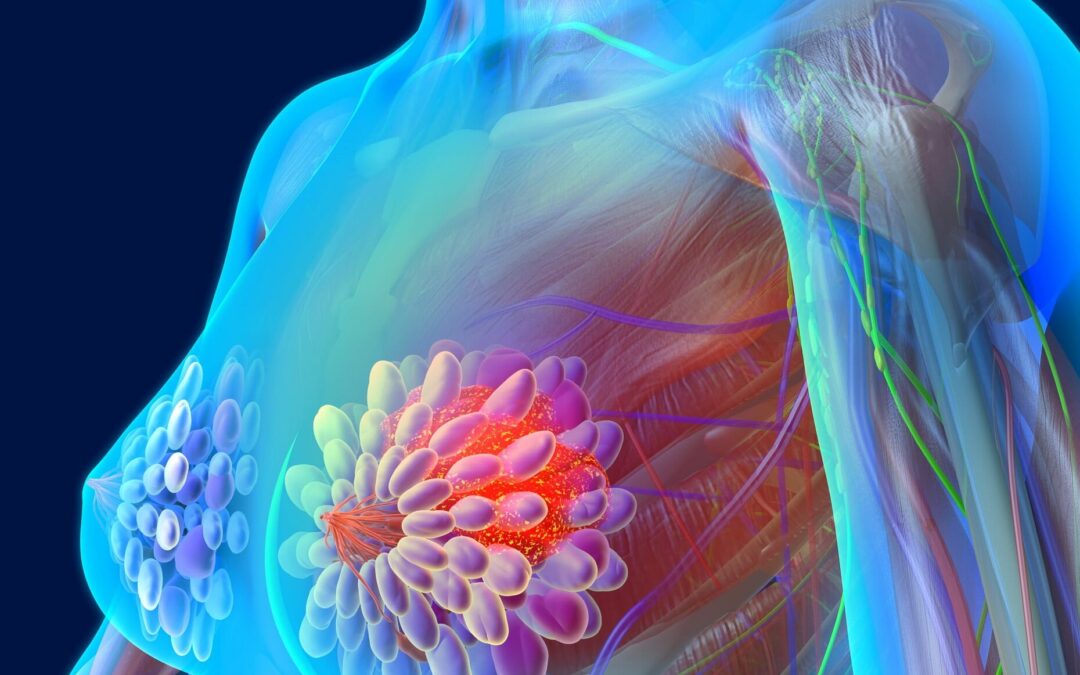
Neoadjuvant chemotherapy is chemotherapy given before surgery rather than after. The idea is to shrink the tumour while it’s still in the breast, making the operation technically easier and in some cases turning a mastectomy into a breast-conserving procedure. It also lets the oncology team watch how the cancer responds to treatment in real time information that shapes everything that happens next.
According to Prof. Dr. Sandeep Nayak, Surgical Oncologist in India,
“Neoadjuvant chemotherapy doesn’t just shrink the tumour it tells us how the cancer behaves under treatment, which is some of the most useful clinical information we can have before operating.”
Trying to understand why chemotherapy has been recommended before surgery?
Why Is Chemotherapy Given Before Surgery in Breast Cancer?
Giving chemotherapy first rather than operating straight away has specific clinical advantages that have made it standard practice for certain breast cancer presentations.
- Tumour Downstaging: A large tumour that would require mastectomy may shrink enough after chemotherapy to allow lumpectomy instead, which is a meaningfully different outcome for the patient in terms of body image, recovery and long-term quality of life.
- Real-Time Response Data: Watching how the tumour changes during chemotherapy tells the team exactly how sensitive that cancer is to systemic treatment a complete pathological response after neoadjuvant therapy carries a significantly better prognosis than partial response.
- Nodal Clearance: Chemotherapy can clear involved lymph nodes before surgery in some patients, converting node-positive disease to node-negative and reducing the extent of axillary surgery needed, which directly reduces the risk of lymphoedema after the operation.
- Treatment of Micrometastases: Breast cancer treatment that starts systemically before any surgical disruption addresses microscopic disease elsewhere in the body earlier than adjuvant chemotherapy given post-operatively would.
Patient selection for neoadjuvant chemotherapy is driven by tumour biology, stage and receptor status rather than a blanket policy of treating before operating across all breast cancer cases.
Which Patients Are Recommended Neoadjuvant Chemotherapy?
The approach isn’t used for every breast cancer patient the clinical team looks at specific tumour characteristics before making neoadjuvant therapy part of the plan.
- Triple Negative and HER2 Positive Cancers: These subtypes respond particularly well to chemotherapy and targeted agents given upfront, and the pathological response rate after neoadjuvant treatment in HER2-positive disease is high enough that it has become the standard sequence rather than the exception.
- Locally Advanced Disease: When the tumour involves the skin, chest wall or multiple lymph nodes at presentation, operating first without reducing the disease burden carries higher complication rates and lower likelihood of achieving clear margins.
- Inflammatory Breast Cancer: Surgery never opens the treatment plan in IBC chemotherapy always comes first because the disease has already spread through the dermal lymphatics and operating into that environment before systemic treatment has worked is clinically inappropriate.
- Borderline Operable Cases: Some tumours sit close to structures that make immediate surgery technically risky, and a course of chemotherapy that moves the tumour away from those structures can convert an unsafe operation into a straightforward one for robotic cancer surgery or conventional open approaches.
The response to neoadjuvant chemotherapy is assessed mid-way through treatment and the plan gets adjusted if the tumour isn’t responding as expected, and for more on what breast surgery involves after chemotherapy, our blog on breast reconstruction covers post-surgical options in detail.
Why Choose Dr. Sandeep Nayak for Breast Cancer Treatment ?
Dr. Sandeep Nayak brings 24 years of surgical oncology experience, DNB qualifications in Surgical Oncology and General Surgery and a fellowship in Laparoscopic and Robotic Onco-Surgery to breast cancer cases requiring neoadjuvant chemotherapy followed by complex surgical planning. He heads Oncology Services across Karnataka and leads breast cancer surgery at KIMS Hospital, Bangalore, with originator credits for RABIT and over 25 published clinical studies. Patients who need clarity on treatment sequencing or a second opinion on whether neoadjuvant chemotherapy is appropriate for their case are seen here with every decision going through tumour board review. Call +91 8104310753 to book your consultation.
Frequently Asked Questions
How many cycles of neoadjuvant chemotherapy are typically given?
Most neoadjuvant regimens run between four and eight cycles over three to six months before surgery is scheduled.
What happens if the tumour doesn't respond to neoadjuvant chemotherapy?
The oncology team reassesses mid-treatment and may switch regimens or proceed to surgery if response is inadequate.
Does neoadjuvant chemotherapy increase surgical complications?
Properly timed neoadjuvant therapy does not increase surgical complication rates and in many cases makes the operation technically safer.
Can neoadjuvant chemotherapy eliminate cancer completely before surgery?
A complete pathological response no residual cancer in the surgical specimen occurs in a significant proportion of HER2-positive and triple-negative breast cancer cases.
References
-
- National Cancer Institute — Breast Cancer Treatment
- National Institutes of Health — Neoadjuvant Therapy in Breast Cancer
- Disclaimer: The information shared in this content is for educational purposes and not for promotional use.
