
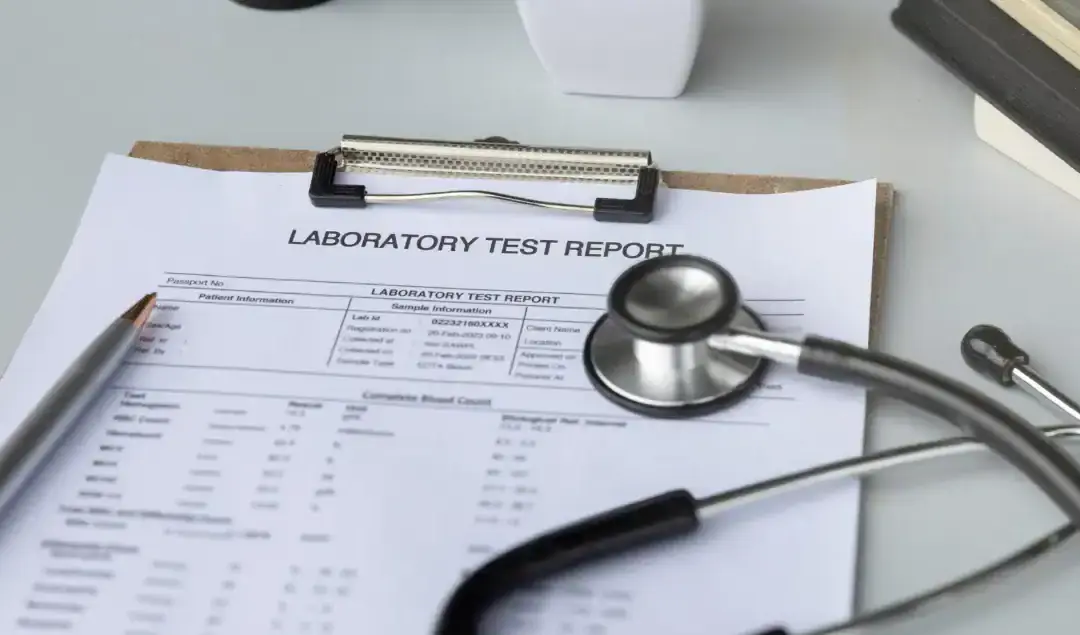
If the report comes back worse than expected, it usually means the treatment plan is strengthened, not that options have run out. A higher grade, a positive margin or involved lymph nodes often leads to adding chemotherapy, radiation or further surgery. It rarely means the cancer is untreatable. The result is reviewed by a tumour board, which adjusts the plan to match what the pathology now shows.
According to Prof. Dr. Sandeep Nayak, Surgical Oncologist in India, “A worse-than-expected report feels devastating, but to me it usually just means we adjust the plan, add a treatment or widen the surgery, rather than that we’ve run out of road.”
Just had a tougher report than you hoped?
What Does a Worse Report Usually Mean?
A harder result points to specific findings, each with a clear response. These are the common ones.
- A higher grade: Cells that look more aggressive than first thought usually mean adding treatment, such as chemotherapy, rather than changing the goal of cure.
- Positive margins: Cancer reaching the edge of removed tissue may call for a little more surgery or radiation to clear the area fully.
- Involved lymph nodes: Cancer found in nearby nodes often adds chemotherapy or radiation, but it’s a known situation with a well-established plan.
- A different subtype: Sometimes the exact cancer type shifts on final testing, which simply means the treatment is matched more precisely to it.
So a worse report reshapes the plan, it doesn’t end it. Confirming a difficult result is exactly where a second opinion gives real reassurance before anything changes.
What Are the Next Steps After a Tough Result?
A harder report sets a clear sequence in motion rather than leaving you stuck. These are the steps that follow.
- Tumour board review: The new findings go back to the full team, where specialists agree the best updated plan rather than one doctor deciding alone.
- An adjusted plan: Treatment is strengthened to match the result, which may mean adding chemotherapy, radiation or a further procedure to the original plan.
- A second opinion: Confirming a difficult result with another specialist is sensible and common, and a good team will always support you doing so.
- Clear conversation: Your doctor should explain exactly what changed and why, so you understand the new plan rather than just fearing the report.
So the path forward stays structured, even when the news is hard. Where more surgery is needed, robotic cancer surgery can often carry it out precisely with a quicker recovery.
Why Choose Dr. Sandeep Nayak for Your Cancer Treatment?
Dr. Sandeep Nayak brings 24 years of surgical oncology experience, DNB qualifications in Surgical Oncology and General Surgery and a fellowship in Laparoscopic and Robotic Onco-Surgery to the treatment of every cancer type. When a report turns out worse than expected, he focuses patients on the updated plan and the options ahead, rather than the fear of the result.
That steady, honest guidance is what turns a frightening report into a clear next step. Every case at MACS Clinic goes through a full tumour board, where any change to the plan is agreed together. Call +91 8104310753 to book your consultation.
Frequently Asked Questions
What if my pathology report is worse than expected?
The treatment plan is adjusted, often adding chemotherapy or radiation.
Does a worse report mean it is untreatable?
No, it usually means a stronger plan, not the end of options.
Should I get a second opinion?
Yes, confirming a difficult result before changing treatment is worthwhile.
Who decides the new plan?
A multidisciplinary tumour board reviews and updates the plan.
References:
- National Cancer Institute — Understanding Your Pathology Report. https://www.cancer.gov/
- World Health Organisation — Cancer. https://www.who.int/news-room/fact-sheets/detail/cancer
