
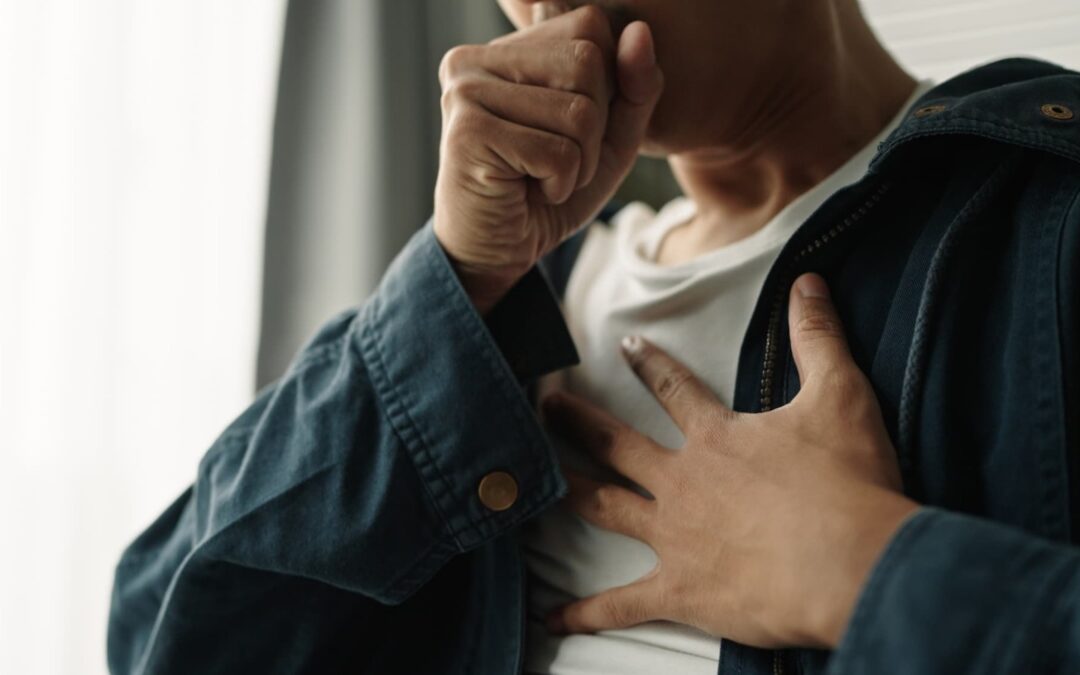
A persistent cough is rarely caused by lung cancer. The vast majority of cases come from post viral airway irritation, asthma, allergies, acid reflux, post nasal drip, bronchitis or tuberculosis, which remains widely relevant in the Indian setting. Lung cancer is the uncommon explanation. The pattern that genuinely warrants investigation is a cough lasting beyond three weeks, especially one that’s changed in character, produces blood, comes with chest pain or weight loss, or develops in a current or past smoker.
According to Prof. Dr. Sandeep Nayak, Surgical Oncologist in India, “Almost every patient who comes to me worried about a cough being lung cancer turns out to have post viral airway, allergies or reflux. The cases I take seriously are coughs that change character, persist past three weeks, or come with weight loss and blood, especially in patients with a smoking or pollution history.”
That cough that won’t quit deserves a clear answer, not another bottle of syrup.
What Usually Causes a Persistent Cough?
Most causes are common and treatable. Here’s what they typically are.
- Post viral: A cough lingering for weeks after a cold or flu is extremely common, with the airway lining still irritated long after the virus itself has cleared.
- Asthma allergies: Underlying asthma, allergic rhinitis or seasonal pollen exposure causes coughs that often worsen at night, with cold air or specific triggers.
- Acid reflux: Silent acid reflux pushes stomach acid into the throat, producing a dry, persistent cough that’s often missed because there’s no heartburn.
- TB infection: Tuberculosis remains common in India and presents with a long lasting cough, often with night sweats, low fever and weight loss, needing prompt evaluation.
So most persistent coughs have a benign or treatable cause. For patients whose treatment involves surgery, robotic cancer surgery offers precise, recovery focused treatment as part of a complete plan.
When Should a Persistent Cough Be Investigated?
A few specific patterns are the ones that warrant a proper check.
- Past weeks: Any cough lasting beyond three weeks deserves at least a chest X ray, regardless of other symptoms, since persistence alone is the strongest red flag.
- Changed character: A cough that’s shifted from dry to productive, or has become deeper or more painful, often signals something has changed in the airways.
- Blood mucus: Even small streaks of blood in mucus need urgent evaluation, since blood is one of the classic signs that warrants imaging without delay.
- Smoker history: Anyone with current or past smoking, or significant air pollution exposure, should get a chest CT promptly when a persistent cough develops.
So pattern and red flags matter more than the cough itself. When a GP has dismissed a long cough as just allergies for weeks, getting a second opinion is often what finally catches something missed earlier.
Why Choose Dr. Sandeep Nayak for Your Breast Cancer Care?
Dr. Sandeep Nayak brings 24 years of surgical oncology experience, DNB qualifications in Surgical Oncology and General Surgery and a fellowship in Laparoscopic and Robotic Onco Surgery to the care of patients across every cancer type, including lung cancer. He evaluates persistent cough thoroughly with chest imaging when the pattern fits, reassuring patients when the cause is benign, so the small fraction of cases that turn out to be cancer get caught at their most treatable stage.
That balanced reading is what catches the rare cancer in time without panicking the many cases that aren’t. Every case at MACS Clinic goes through a full tumour board, where the diagnostic plan is set together. Call +91 8104310753 to book your consultation.
Frequently Asked Questions
Can a persistent cough be lung cancer?
Rarely, but a cough beyond three weeks deserves a proper check.
What usually causes a long cough?
Post viral airway, asthma, allergy, acid reflux, TB or bronchitis.
When is a cough cancer related?
If lasting weeks, with blood, weight loss or smoking history.
What test confirms the cause?
Chest X-ray, CT, lung function and sometimes biopsy.
References:
- National Cancer Institute, Lung Cancer Symptoms. https://www.cancer.gov/
- World Health Organisation, Cancer. https://www.who.int/news-room/fact-sheets/detail/cancer
