
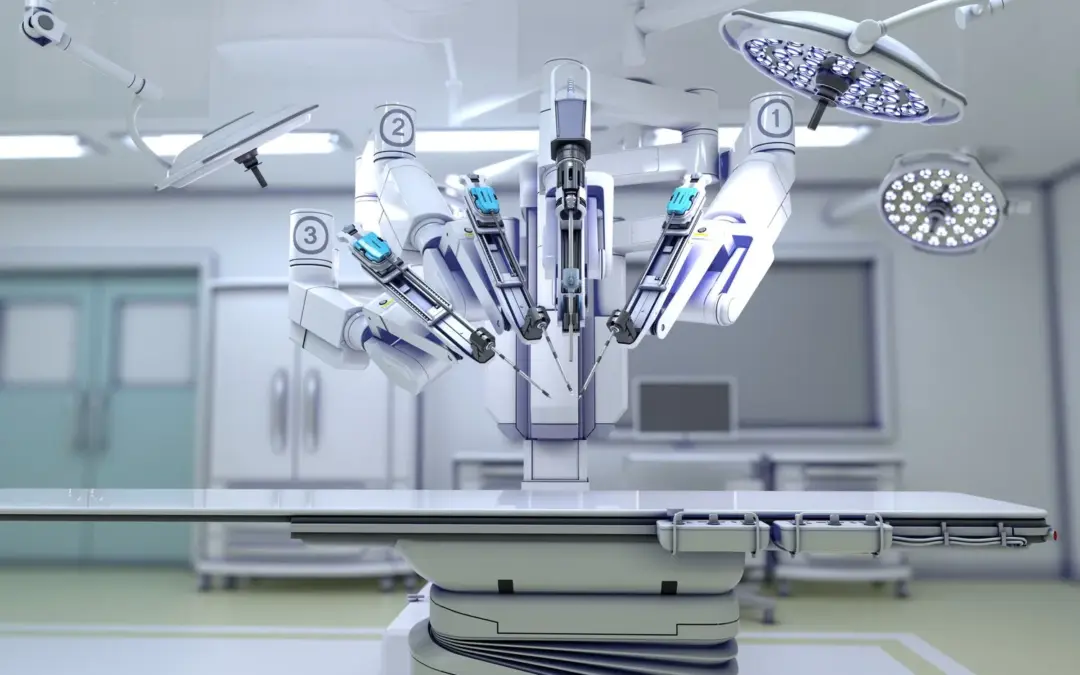
Robotic cancer surgery in India costs between INR 1,50,000 and 8,00,000 depending on cancer type, operative complexity and which hospital you’re at. The da Vinci platform adds INR 50,000 to 1,50,000 over conventional laparoscopy at most specialist centres. That premium pays for a 3D magnified operative field, wristed instruments with far greater range of motion than the human hand, less blood loss and a faster return to adjuvant treatment. Whether it’s worth it depends entirely on where the tumour is, how complex the dissection needs to be and what conventional surgery actually achieves in that specific situation.
According to Prof. Dr. Sandeep Nayak, Surgical Oncologist in India,
“Robotic surgery isn’t right for every cancer operation. But for tumours in confined spaces where precision determines whether a patient needs re-operation, the platform cost is easily justified by what the outcome looks like.”
Want to know whether robotic surgery fits your specific cancer case?
What Does Robotic Cancer Surgery Cost in India Right Now?
Cost shifts considerably by procedure type, cancer site and hospital tier. India’s pricing stays a fraction of what the same operation costs in Western countries.
- Procedure Range: Simpler robotic procedures start at INR 1,50,000 while complex oncological resections reach INR 7,50,000 to 8,00,000 and robotic cancer surgery at KIMS Hospital, Bangalore bundles the full surgical team, da Vinci platform time, theatre charges and post-operative care into one package rather than billing each element separately.
- The Platform Surcharge: Da Vinci adds INR 50,000 to 1,50,000 above conventional laparoscopic charges at equipped centres. That reflects theatre time on the robotic platform and disposable instrument costs, not an extra surgeon premium on top of the standard operative fee.
- India vs Abroad: Same robotic cancer operation in the USA costs USD 20,000 to 30,000 or more. India delivers equivalent surgical technique, the same da Vinci platform and comparable specialist training at INR 3 to 8 lakhs. No clinical compromise. Just a structural cost difference.
- Insurance: Most comprehensive health policies cover robotic surgery as a minimally invasive procedure and patients should confirm sub-limits and pre-authorisation requirements with their insurer before admission because some plans apply restrictions to robotic procedures specifically.
Cost alone is the wrong frame for evaluating this. The right question is what the platform actually achieves clinically for that tumour location and whether conventional alternatives get you to the same place.
Is Robotic Cancer Surgery Actually Worth the Extra Cost?
That depends on the cancer type, the tumour’s location and what the robotic platform specifically enables in that operative context.
- Where It Genuinely Helps: Prostate, rectal, gynaecological and head and neck cancers in confined pelvic or transoral spaces benefit most. Wristed instruments, 3D magnification and tremor filtration improve margin quality and reduce nerve injury in ways conventional laparoscopy can’t consistently match in those anatomical locations.
- Recovery Speed Matters: Robotic patients typically go home one to two days earlier than open surgery patients and return to adjuvant chemotherapy or radiation faster. In aggressive cancer subtypes where treatment timing affects outcomes, that difference directly offsets the platform cost in the overall clinical picture.
- Not Every Case Needs It: Simple lumpectomy, straightforward laparoscopic colon resection and operations where conventional technique reliably achieves clear margins without complication don’t need the robotic platform and adding the surcharge for those cases isn’t clinically justified.
- Surgeon Volume Decides: The platform produces better results in high-volume robotic hands. A specialist performing 100 robotic cases a year at a dedicated oncology centre outperforms a low-volume surgeon using the same equipment and this difference in outcome is what actually justifies the cost, not the machine itself.
Worth comes down to whether the platform changes what’s surgically achievable for your specific tumour and for more on robotic surgery costs specific to Bangalore, our blog on robotic surgery cost covers this in detail.
Why Choose Dr. Sandeep Nayak for Breast Cancer Treatment?
Dr. Sandeep Nayak brings 24 years of surgical oncology experience, DNB qualifications in Surgical Oncology and General Surgery and a fellowship in Laparoscopic and Robotic Onco-Surgery to robotic cancer surgery at KIMS Hospital, Bangalore. He heads Oncology Services across Karnataka with originator credits for RABIT, MIND and L-VEIL techniques and over 25 published clinical studies. Patients wanting clarity on whether robotic surgery fits their case and what it will cost are seen here with every decision going through tumour board review. Call +91 8104310753 to book your consultation.
Frequently Asked Questions
How much does robotic cancer surgery cost in India in 2025?
Robotic cancer surgery in India costs between INR 1,50,000 and 8,00,000 depending on procedure type, cancer site and hospital tier with complex resections at the higher end.
Is robotic cancer surgery covered by health insurance in India?
Most comprehensive health insurance policies cover robotic surgery but patients must confirm sub-limits and pre-authorisation requirements with their insurer before admission.
Is robotic surgery better than conventional laparoscopic surgery for cancer?
For tumours in confined spaces like the pelvis, prostate, rectum and throat, robotic surgery delivers better margin quality and lower nerve injury rates than conventional laparoscopy.
How does robotic cancer surgery cost in India compare to the USA?
The same robotic cancer operation costs USD 20,000 to 30,000 or more in the USA compared to INR 3 to 8 lakhs in India using the same da Vinci platform and equivalent training.
Reference Links-
- National Cancer Institute — Robotic Surgery in Cancer Treatment
- Medsurge India — Robotic Surgery Cost India 2025
- Disclaimer: The information shared in this content is for educational purposes and not for promotional use.
