
Smoking is a major preventable risk factor for mouth cancer. Tobacco contains harmful chemicals that damage oral cells and may cause changes leading to cancer over time. Mouth cancer, also known as oral cancer, can affect the lips, tongue, gums, inner cheeks, and floor of the mouth. Early detection through awareness of risk factors and symptoms can improve treatment outcomes.
Dr. Sandeep Nayak, a noted head and neck cancer surgeon in Bangalore, says, “Most mouth cancers are linked to preventable habits like tobacco use. Recognizing early changes in the mouth and seeking expert evaluation can help detect cancer at an earlier stage, when treatment options are more effective.”
A pioneer in advanced head and neck oncology, Dr. Sandeep Nayak has extensive expertise in managing complex mouth cancers through precision surgery and advanced reconstructive techniques. His approach to mouth cancer treatment in Bangalore combines accurate diagnosis, personalized treatment planning, and innovative surgical methods to achieve effective disease control while preserving speech, swallowing, facial aesthetics, and quality of life.
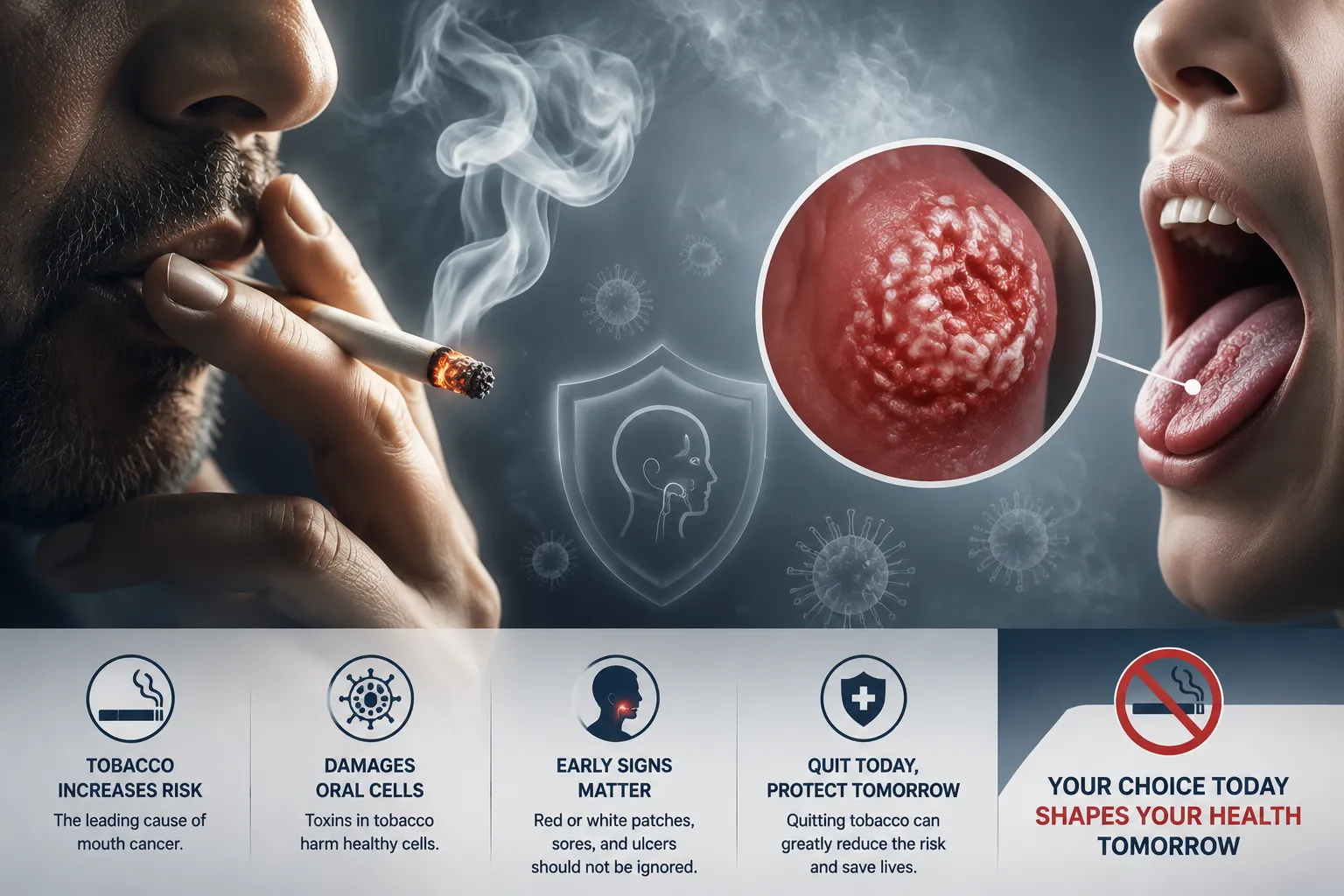
In this blog, we’ll explore how smoking contributes to mouth cancer, its effects on oral health, early warning signs, diagnosis methods, treatment options, and the importance of early detection.
Can Smoking Cause Mouth Cancer?
Yes, smoking is one of the strongest known risk factors for mouth cancer. Tobacco smoke contains thousands of chemicals, including several cancer-causing substances that can damage the DNA of cells in the mouth.
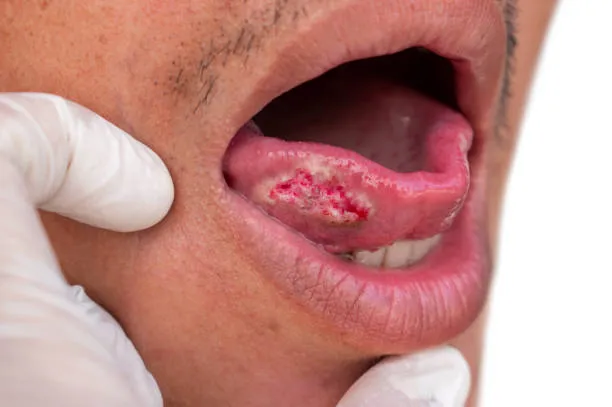
When tobacco is used regularly, harmful chemicals repeatedly come into contact with the lining of the mouth. Over time, this can lead to:
- Abnormal cell changes
- Development of precancerous conditions
- Increased risk of cancer formation
The risk of mouth cancer increases with:
- Duration of smoking
- Number of cigarettes smoked daily
- Combined use of smoking and alcohol
- Poor oral health habits
Smoking-related mouth cancers may develop in areas frequently exposed to tobacco, including:
- Tongue
- Gums
- Inner cheeks
- Floor of the mouth
- Lips
Smokeless tobacco products, such as chewing tobacco, gutkha, and betel quid preparations, can also significantly increase the risk of oral cancer.
What changes does tobacco cause inside your mouth? Let’s explore how smoking impacts oral health beyond cancer risk.
How Does Tobacco Affect Your Oral Health?
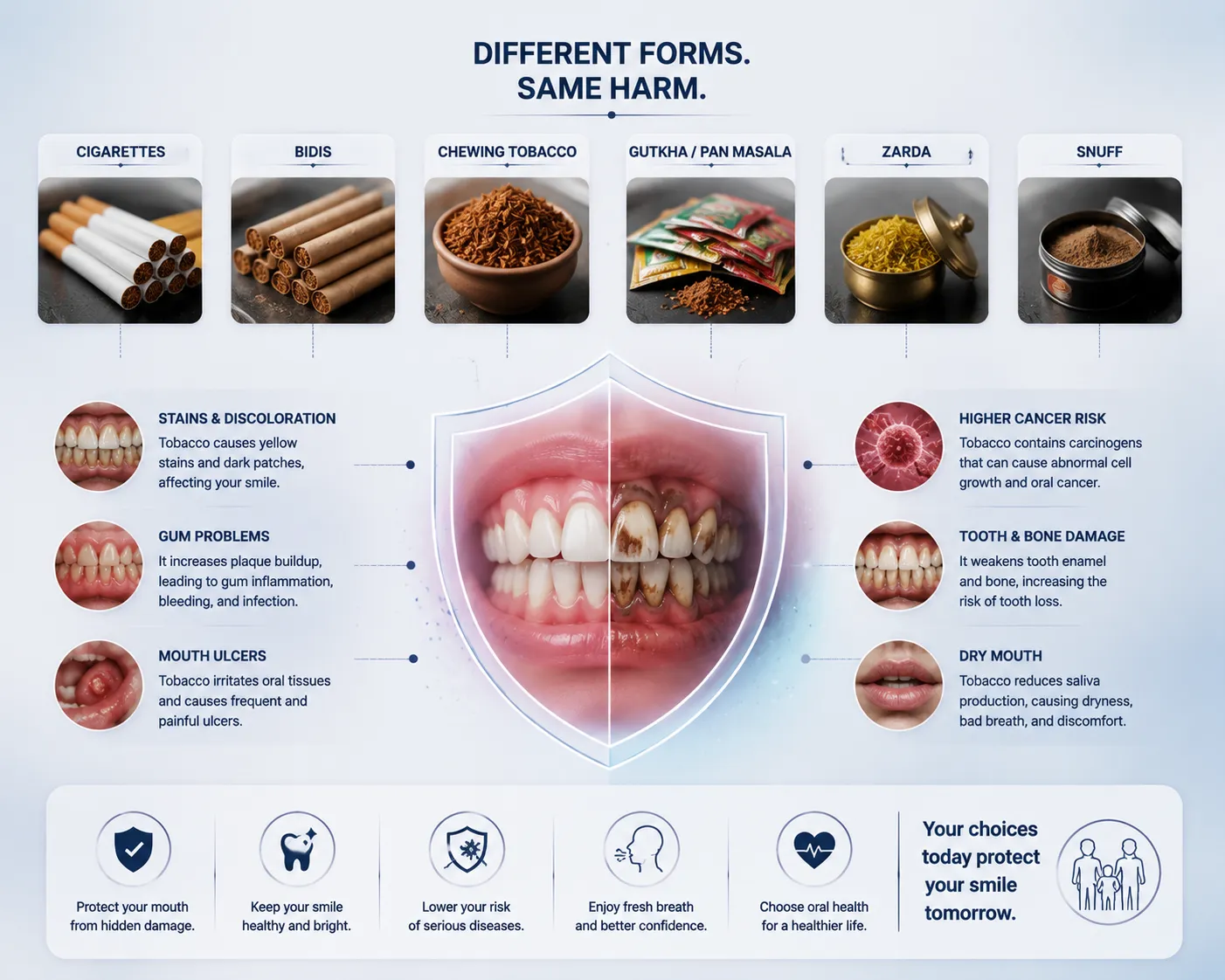
Tobacco affects almost every aspect of oral health and can cause both immediate and long-term problems.
- Cell Damage
Tobacco chemicals can damage healthy cells and increase the chances of abnormal cell growth.
- Reduced Healing Ability
Smoking reduces blood supply to tissues, slowing healing after injuries, dental procedures, or surgery.
- Gum Disease
Tobacco use increases the risk of gum infections, tooth loss, and inflammation.
- Oral Lesions
Smokers may develop white or red patches in the mouth, some of which can become precancerous.
- Reduced Immunity
Smoking weakens the body’s ability to fight infections and repair damaged tissues.
- Changes in Taste and Smell
Long-term tobacco use can affect taste sensation and overall oral comfort.
Quitting smoking can significantly improve oral health and reduce the risk of developing tobacco-related diseases.
What changes in your mouth should not be ignored? Let’s explore the early signs of mouth cancer that require medical attention.
Early Signs and Symptoms of Mouth Cancer
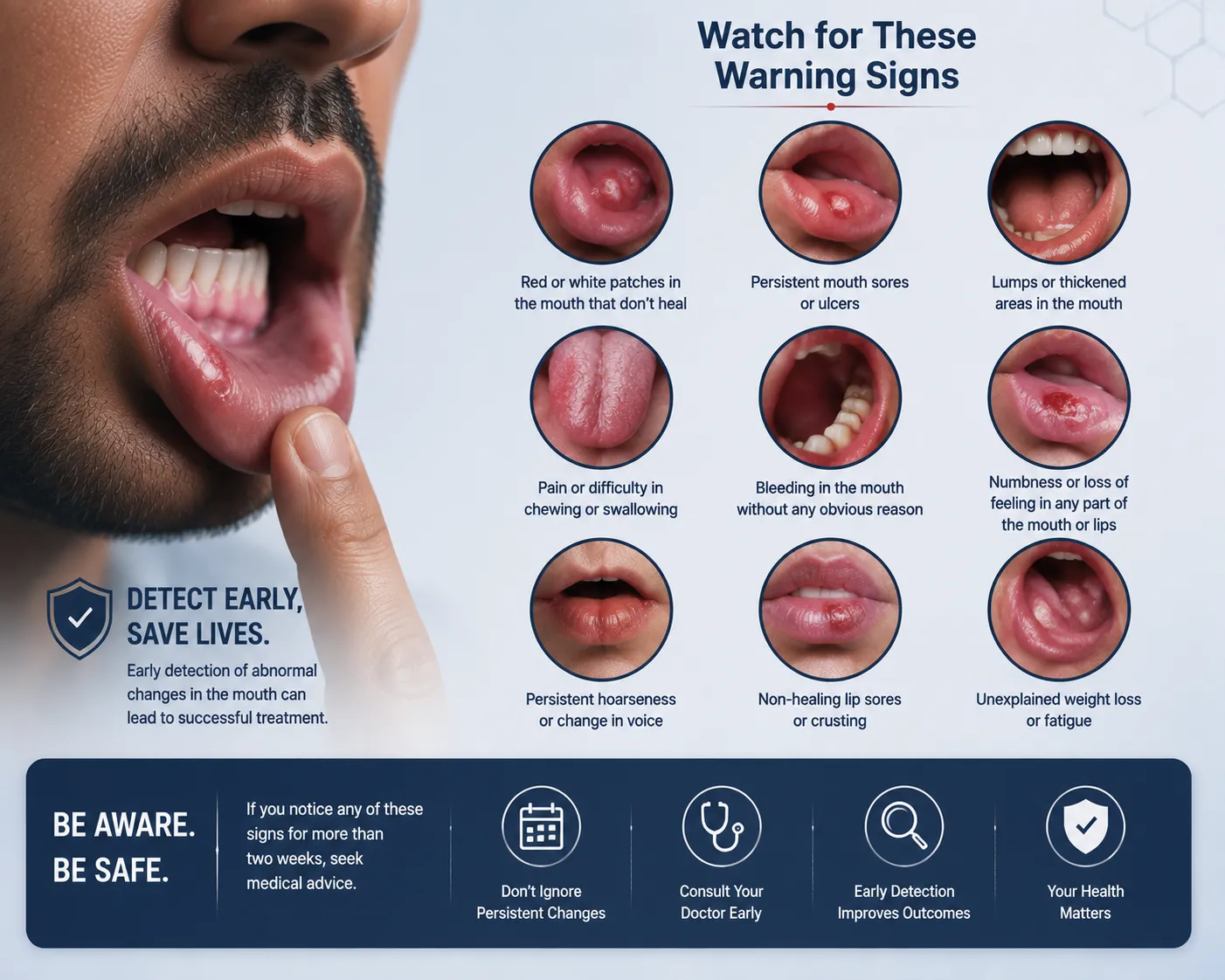
Mouth cancer symptoms can sometimes appear as minor changes that are mistaken for common oral problems. However, persistent symptoms should always be evaluated.
Common signs include:
- Non-Healing Mouth Ulcer
An ulcer or sore in the mouth that does not heal within two to three weeks should be examined.
- Red or White Patches
Unusual patches on the tongue, gums, or inner cheeks may indicate abnormal tissue changes.
- Lump or Thickening
A lump, swelling, or thickened area inside the mouth may require further evaluation.
- Persistent Pain
Ongoing pain or discomfort in the mouth or throat should not be ignored.
- Difficulty Chewing or Swallowing
Changes in swallowing or jaw movement may occur as cancer progresses.
- Voice Changes
Cancer affecting nearby structures may cause voice changes.
- Loose Teeth Without Cause
Unexpected tooth mobility may sometimes be associated with oral cancer.
Early recognition of these signs can help patients seek diagnosis before the disease progresses.
How do doctors confirm whether a mouth abnormality is cancerous? Let’s explore the tests used for accurate mouth cancer diagnosis.
How Is Mouth Cancer Diagnosed?
A timely and accurate diagnosis is essential for effective treatment planning.
- Physical Examination
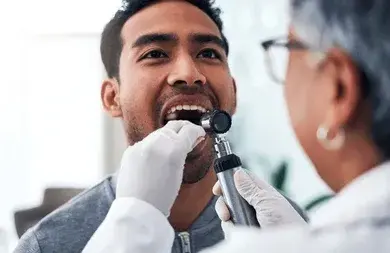
A specialist examines the mouth, tongue, throat, and neck for abnormal changes.
- Biopsy
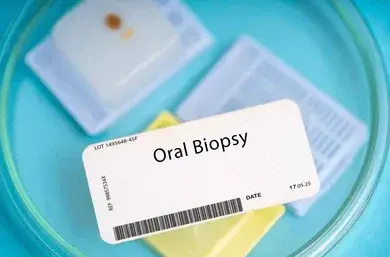
A small tissue sample is removed from the suspicious area and examined under a microscope to confirm cancer.
- Imaging Tests
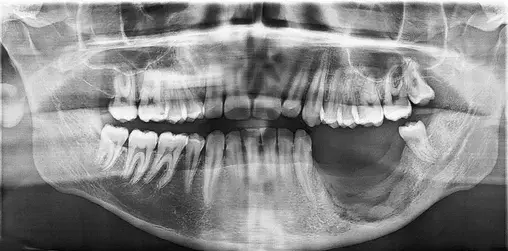
CT scans, MRI scans, or PET scans may be used to evaluate tumor size and spread.
- Endoscopy
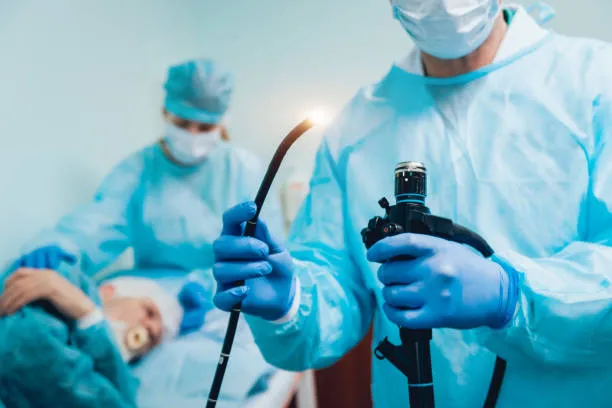
In some cases, doctors may use specialized scopes to examine deeper areas of the throat.
- Staging Evaluation
Additional tests help determine the cancer stage and guide treatment decisions.
Does the stage of mouth cancer affect treatment choices? Let’s explore how cancer stages influence treatment planning and outcomes.
Stages of Mouth Cancer and Their Impact on Treatment
The stage of mouth cancer describes how large the tumor is and whether it has spread.
- Early-Stage Mouth Cancer
Cancer is limited to a smaller area and has not spread significantly. Surgery is often the main treatment and may provide excellent outcomes.
- Locally Advanced Mouth Cancer
Cancer may involve nearby tissues or lymph nodes. Treatment may include a combination of surgery, radiation therapy, and chemotherapy.
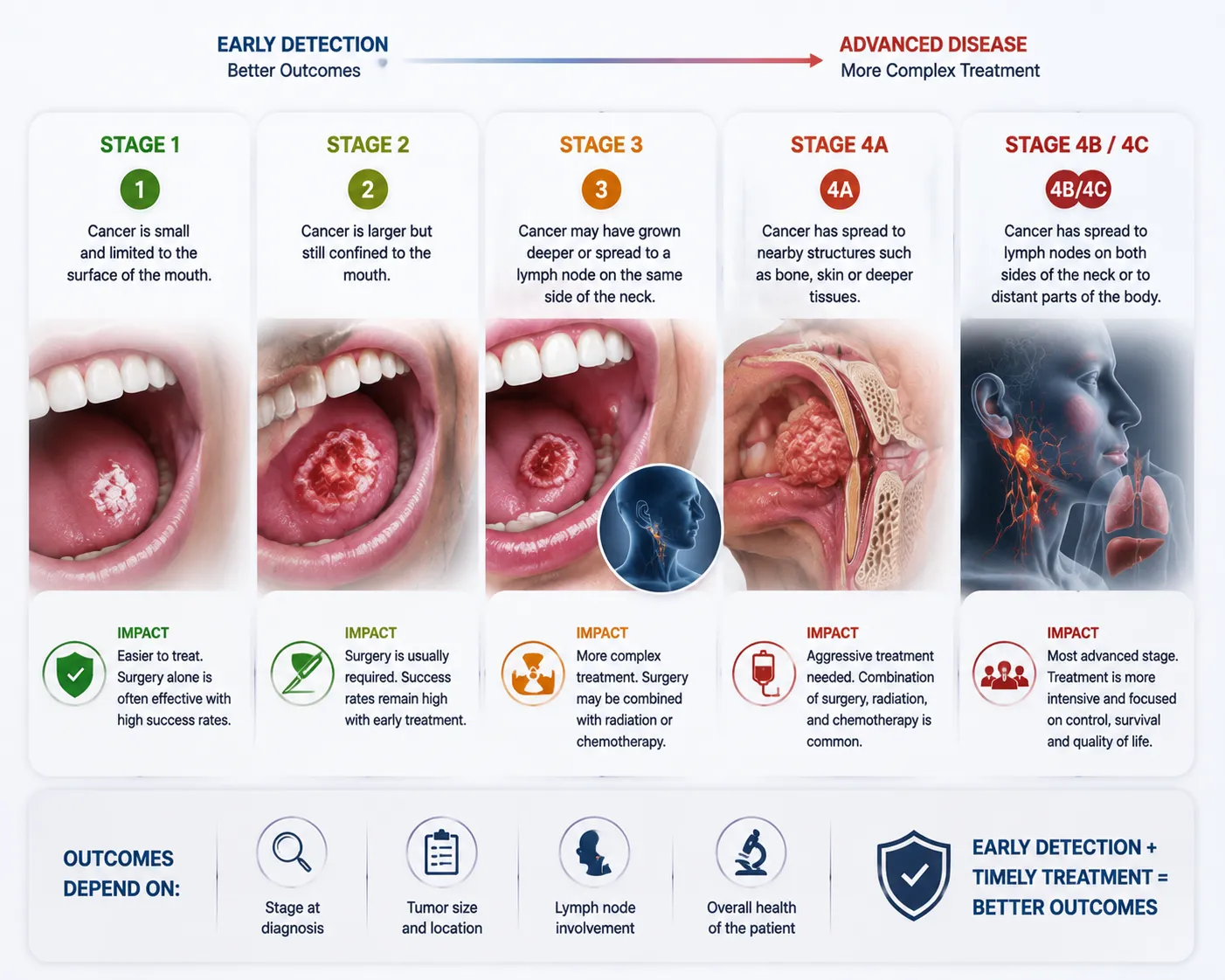
- Advanced Mouth Cancer
When cancer spreads to distant organs, treatment focuses on controlling disease, improving symptoms, and maintaining quality of life.
Early diagnosis provides more treatment options and can improve outcomes.
Can quitting smoking improve your oral health? Let’s discover the positive changes that occur after stopping tobacco use.
What Happens to Your Mouth After Quitting Smoking?
Quitting smoking provides immediate and long-term benefits for oral health.
After quitting:
- Blood flow to oral tissues improves
- Healing ability increases
- Risk of gum disease reduces
- Taste and smell may improve
- Risk of tobacco-related cancers gradually decreases
“The risk of developing mouth cancer decreases after quitting, although previous tobacco exposure may continue to influence risk. Regular dental and medical check-ups remain important, especially for long-term smokers,” highlights Dr. Sandeep Nayak, an esteemed oncologist in Bangalore.
Conclusion
Smoking is a major risk factor for mouth cancer, but awareness, early detection, and timely treatment can improve outcomes. Avoiding tobacco and recognizing early warning signs are key to reducing risk and ensuring better care.
Dr. Sandeep Nayak, with his experienced team, offers advanced cancer treatment in Bangalore with accurate diagnosis, specialized surgical expertise, and personalized care plans focused on achieving the best possible outcomes.
Frequently Asked Questions
1. Can smoking cause mouth cancer?
2. Can mouth cancer occur without smoking?
3. What are the first signs of mouth cancer?
4. Is mouth cancer curable?
5. Does quitting smoking reduce mouth cancer risk?
6. Can chewing tobacco cause mouth cancer?
7. How common is mouth cancer in smokers?
8. When should I see a doctor for mouth symptoms?
Disclaimer: The information shared in this content is for educational purposes and not for promotional use.
References:
- National Cancer Institute – Oral Cancer Risk Factors
https://www.cancer.gov/types/head-and-neck/oral-cancer - American Cancer Society – Oral Cavity and Oropharyngeal Cancer
https://www.cancer.org/cancer/types/oral-cavity-and-oropharyngeal-cancer.html
