
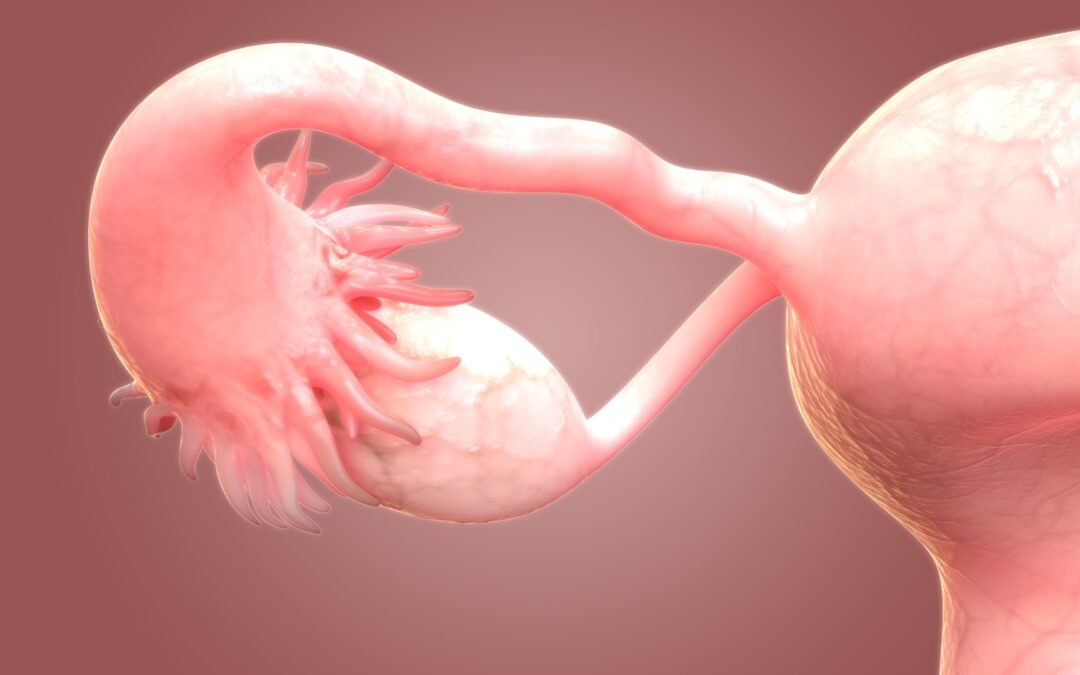
Debulking surgery, also called cytoreductive surgery, removes all visible ovarian cancer from the abdomen and pelvis. The objective is complete cytoreduction, no residual tumour remaining, since this outcome predicts survival more strongly than almost any factor other than stage. The operation typically includes the uterus, ovaries, fallopian tubes and omentum, and may extend to peritoneal implants, bowel or other organs where disease has spread. It is major, extensive surgery.
According to Dr. Sandeep Nayak, Surgical Oncologist in India, “Debulking surgery is not a limited operation. Advanced ovarian cancer spreads across the peritoneal surfaces, and achieving complete cytoreduction often requires removing tissue from multiple sites within the abdomen and pelvis, not the ovaries alone. The completeness of that removal is the single most important factor a surgeon controls. Residual disease, even in small deposits, measurably worsens the outcome. This surgery is judged entirely on thoroughness.”
Preparing for ovarian cancer surgery and seeking to understand the procedure?
What Does the Surgery Involve?
Debulking surgery is defined by its scope, which extends well beyond the ovaries themselves.
- Core removal : The uterus, both ovaries, fallopian tubes and omentum are removed as standard components of the operation.
- Peritoneal disease : Tumour deposits on the peritoneal surfaces lining the abdomen and pelvis are systematically identified and excised.
- Extended resection : Where disease involves the bowel, spleen or diaphragm, these structures may also require resection to achieve complete removal.
- Full abdominal exploration : The surgeon examines the entire abdominal cavity methodically, since missed deposits directly compromise the surgical outcome.
This comprehensive approach is central to advanced stage ovarian cancer treatment, where the extent of disease often exceeds what imaging alone reveals.
When Is It Performed, and Why Does Completeness Matter?
The timing of debulking surgery and the thoroughness of the operation both shape the outcome significantly.
- Primary debulking : Performed upfront, before chemotherapy, when the disease appears resectable at diagnosis.
- Interval debulking : Performed after chemotherapy has reduced tumour volume, making complete removal more achievable in extensive disease.
- Complete cytoreduction : Achieving no visible residual disease is associated with meaningfully better survival than surgery leaving tumour behind.
- Surgeon experience matters : This operation demands specific training in radical cytoreductive technique, since the extent required varies considerably between patients.
This is closely related to cytoreductive surgery with HIPEC, which combines this same principle of complete tumour removal with heated intraperitoneal chemotherapy.
Why Choose Dr. Sandeep Nayak for Ovarian Cancer Surgery?
Dr. Sandeep Nayak is a surgical oncologist with 24 years of experience and a fellowship in laparoscopic and robotic onco-surgery. His approach to advanced ovarian cancer prioritises achieving complete cytoreduction, since this outcome is the factor most within a surgeon’s control and most predictive of long term survival. This means a thorough abdominal exploration and a willingness to extend the operation as far as the disease requires.
Debulking surgery rewards thoroughness over speed. A surgeon who stops short of complete removal to shorten the operation compromises the patient’s long term outcome regardless of how the surgery is described afterward. Achieving genuine cytoreduction, addressing disease wherever it is found rather than only where it was expected, is what separates surgery that meaningfully improves prognosis from surgery that falls short of its purpose.
Frequently Asked Questions
What is debulking surgery for ovarian cancer?
Surgery to remove all visible ovarian cancer, aiming for complete cytoreduction.
What organs does debulking surgery involve?
The uterus, ovaries, fallopian tubes, omentum and sometimes bowel or other organs.
What is interval debulking surgery?
Debulking performed after chemotherapy has shrunk the tumour burden first.
Why does completeness of surgery matter so much?
No residual disease predicts significantly better survival than residual tumour left behind.
References
- Impact of residual disease on ovarian cancer survival — National Library of Medicine
- Primary versus interval debulking surgery outcomes — National Library of Medicine
Disclaimer: This blog is for informational and educational purposes only and is not a substitute for professional medical advice or diagnosis.
